
Plants
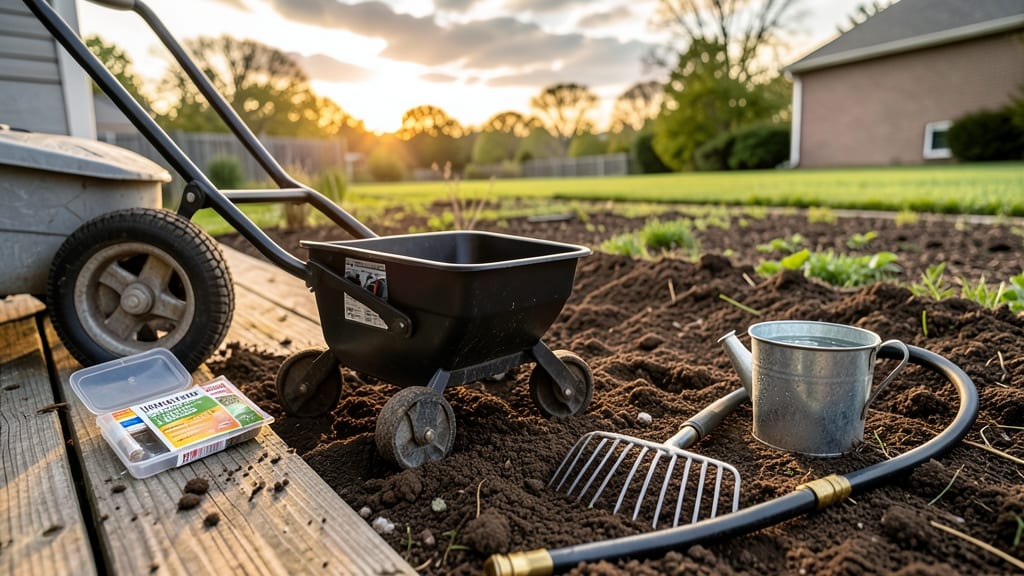
Planting grass seed in St. Louis, MO, means timing it for fast root establishment between early spring and fall—when soil temps hit 50°F and frost risks fade.
St. Louis’ unpredictable spring and fall weather can make timing your grass seed planting a critical decision—get it wrong, and you’ll battle weeds or weak growth all season.
Cool-season grasses like tall fescue thrive when planted 4-6 weeks before the first frost (aim for mid-September to mid-October) or right after the last spring frost (mid-March to mid-April).
Below, I’ll break down the best windows, soil prep tips, and how to choose the right grass type for your St. Louis yard—so you skip the guesswork and get a lush lawn fast.
Best planting windows for St. louis cool-season grass: fall vs spring timing
If you’re planting cool-season grass in St. Louis, timing is everything. The city’s USDA Zone 6a-6b climate means fall planting often outperforms spring—thanks to milder temps and fewer weeds.
But spring still works if you follow the rules. Let’s break down the best windows for each season and why fall usually wins.
St. Louis’ average last frost date is around April 15, while the first frost typically arrives by October 15. These dates bookend your planting windows, but soil temperature—at least 50°F—is the real deciding factor.
Cool-season grasses like tall fescue and Kentucky bluegrass germinate best when soil is warm enough but not scorching.
Here’s the key difference: Fall planting gives grass roots a head start before winter, while spring planting risks weed competition and dry soil. Let’s compare the two in detail.
| Factor | Fall Planting (Sept 15–Oct 15) | Spring Planting (March 15–April 15) |
|---|---|---|
| Soil Temp | 55–65°F (ideal for germination) | 50–60°F (warmer soil = faster growth) |
| Weed Competition | Low (weeds dormant or slow) | High (weeds germinate early) |
| Moisture Needs | Moderate (cooler air = less evaporation) | High (spring drought risk) |
| Establishment Time | 6–8 weeks before frost (strong roots) | 4–6 weeks (summer heat stress risk) |
| Best For | New lawns, overseeding | Repairing thin patches |
Fall planting in St. Louis—between September 15 and October 15—gives your grass 6–8 weeks to establish roots before winter. The soil stays warm enough for germination (55–65°F), but nights cool down, reducing weed pressure and water evaporation.
This is why 90% of lawn pros recommend fall for cool-season grass.
Spring planting (March 15–April 15) works but comes with risks. Warmer soil speeds up germination, but weeds and dry spells can outcompete your grass. If you choose spring, plant as soon as soil reaches 50°F and keep it moist—daily watering for the first 2 weeks is critical.
Pro tip: Use a soil thermometer to check temps before planting. If soil is below 50°F, wait—cool-season grass won’t germinate well. St. Louis’ Missouri Botanical Garden reports that fall-planted grass often outperforms spring by 30–40% in the first growing season.
For the best results, aim for fall planting and overseed in early September. If you must plant in spring, do it ASAP after last frost and mulch with straw to retain moisture. Either way, prep your soil first—pH 6.0–7.0 and loose, weed-free soil are non-negotiable.
Remember: Cool-season grass thrives in St. Louis’ climate, but timing makes all the difference. Fall gives you the edge—so mark your calendar for September 15–October 15 and watch your lawn transform.
How to prepare your St. louis lawn for grass seed success: soil, weather, and pre-planting steps
Preparing your St. Louis lawn for grass seed success starts with understanding local soil conditions and microclimates.
The Gateway City’s USDA Zone 6a-6b climate brings hot summers, cold winters, and unpredictable spring rains—all factors that demand careful prep work before planting. Soil testing is your first critical step to ensure your lawn has the right foundation for healthy germination.
St. Louis’ clay-heavy soils often need amendments to improve drainage and aeration. Aim for a pH between 6.0 and 7.0, as most cool-season grasses thrive in this slightly acidic to neutral range.
If your soil tests higher or lower, lime or sulfur applications can adjust it before planting. Missouri Botanical Garden offers affordable soil testing kits tailored to local conditions—perfect for DIY gardeners.
Once your soil is ready, focus on weed control and tilling depth. Weeds compete fiercely with new grass seedlings, so apply a pre-emergent herbicide 2-3 weeks before planting. For tilling, aim for 3-4 inches deep to loosen compacted soil without disturbing the subsoil.
This depth allows roots to establish deeply while preventing erosion from St. Louis’ occasional heavy rains.
📋 Step-by-Step Pre-Planting Checklist for St. Louis Lawns
- 🔍 Test Soil pH: Use a kit to confirm 6.0–7.0 range; amend with lime or sulfur if needed.
- 🌱 Till Soil: Loosen to 3–4 inches deep for optimal root penetration and drainage.
- 🪴 Remove Debris: Clear rocks, sticks, and weeds; rake to create a smooth seedbed.
- 🌧️ Check Weather Forecast: Avoid planting if rain >1 inch is predicted in 48 hours.
- ☀️ Monitor Soil Temp: Wait until soil reaches 50°F+ (use a soil thermometer).
- ✂️ Apply Starter Fertilizer: Use a high-phosphorus blend (10-20-10) to boost root growth.
Weather is another critical factor in St. Louis. Planting too early in spring risks late frosts (common until April 15), while fall planting should finish by October 15 to allow roots to establish before winter dormancy.
Check the National Weather Service St. Louis for extended forecasts—avoid planting if heavy rains or flood risks are predicted within 48 hours.
After prepping your soil, apply a starter fertilizer with high phosphorus to encourage strong root development. Look for a 10-20-10 NPK ratio, which promotes early growth without burning tender seedlings.
Lightly rake the fertilizer into the top ¼ inch of soil, then spread your grass seed evenly using a broadcast spreader for uniform coverage.
Finally, water immediately after planting to settle the seed into the soil. Keep the area consistently moist (not soggy) for the first 2-3 weeks, watering lightly daily in the morning to prevent fungal diseases.
St. Louis’ humid summers mean fungal risks are higher, so avoid overhead watering—use a soaker hose instead to keep foliage dry.