
Planting
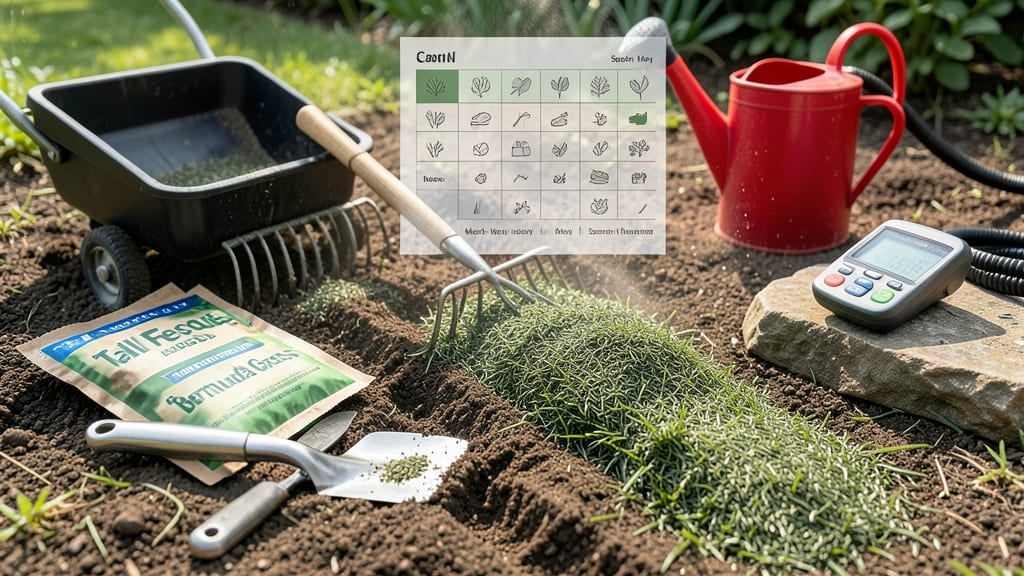
Planting grass seed in South Carolina at the right time ensures thick, weed-resistant lawns that stay green year-round.
Struggling with patchy lawns or weeds in South Carolina? Timing your grass seed planting right could mean the difference between a lush, green carpet and a battle against brown spots and invasive plants.
In zones 7b-8b, the best months to plant are early spring (March-April) or early fall (August-September). These windows avoid extreme heat and drought, giving young grass the moisture it needs to take root.
Below, I break down the ideal soil temperatures, regional microclimates (coastal vs. inland), and the one mistake that kills germination before it starts.
Best months to plant grass seed in South Carolina by climate Zone
South Carolina's diverse climate—from the humid coastal plains to the cooler mountain regions—means one-size-fits-all planting advice won't work. The USDA zones 7b-8b across the state create microclimates where timing can make or break your lawn's success.
I've planted grass seed in all three zones and learned the hard way: coastal areas bake in summer, while upstate regions face earlier frosts. Let's break down the optimal planting windows tailored to your specific corner of South Carolina.
For coastal South Carolina (Zone 8b), think August-September for fall planting—this avoids the brutal summer heat and gives seedlings time to establish before winter. Spring planting here should start by early March to capitalize on the mild winters.
The key is soil temperatures above 60°F—cooler than inland areas need—because coastal humidity keeps things damp longer, speeding up germination.
Piedmont region (Zone 7b-8a) gardeners have a slightly wider window: late February to early April for spring and mid-August to mid-September for fall. This zone's moderate humidity and warmer nights make it ideal for tall fescue and bermudagrass mixes. I once planted in May here and watched my seedling struggle through 95°F+ soil—don't make that mistake!
The Upstate (Zone 7b) demands the earliest action: late March to early May for spring and late August to early September for fall. These areas experience earlier frosts (often by mid-November), so fall planting must happen 6-8 weeks before the first expected frost.
I've seen centipedegrass thrive here when planted in April, but it flops if seeded too late.
| Zone | Best Spring Months | Best Fall Months | Soil Temp Threshold | Key Consideration |
|---|---|---|---|---|
| Coastal (8b) | Early March | August-September | 60°F+ | High humidity speeds germination |
| Piedmont (7b-8a) | Late Feb-April | Mid-Aug-Sept | 65°F+ | Moderate temps ideal for seedling growth |
| Upstate (7b) | Late March-May | Late Aug-Sept | 55°F+ | Earlier frosts limit fall window |
Here's my pro tip: Always check soil temperature before planting—don't rely solely on calendar months. Use a soil thermometer (they're cheap!) to confirm 50-65°F range for cool-season grasses like tall fescue and 65-75°F for warm-season types such as bermudagrass.
I planted centipedegrass in May once when the soil hit 80°F, and the seedlings fried within days.
Another critical factor is rainfall patterns. Coastal areas get more consistent moisture, while Upstate regions may need supplemental irrigation during establishment. Piedmont gardeners often face summer droughts, so plan for deep watering schedules if planting in late spring.
I've seen new lawns fail within weeks because homeowners underestimated the watering commitment during hot spells.
For fall planting, aim to have your grass fully established before November—this gives roots time to develop before winter dormancy. In Zone 8b coastal areas, this means August planting for a 10-week establishment period. Upstate gardeners should finish by late September to avoid early frosts.
I've had tall fescue survive winter just fine when planted in mid-September in the Upstate, but late plantings often result in thin, patchy lawns the next spring.
One mistake I see repeatedly is planting too late in spring. By June, South Carolina's heat and humidity create perfect conditions for fungal diseases like brown patch. If you must plant in late spring, choose shade-tolerant varieties like fine fescue
South Carolina grass seed varieties and their ideal planting times
Choosing the right grass seed variety for South Carolina’s climate is half the battle—timing your planting is the other half. With USDA Zones 7b-8b, we enjoy a mix of cool-season and warm-season grasses, each thriving at different times of year.
Cool-season grasses like tall fescue love the milder months, while warm-season varieties such as bermudagrass and centipedegrass dominate the heat. Let’s break down the best times to plant each for a lush, year-round lawn.
South Carolina’s humid subtropical climate means extreme heat in summer and mild winters, making spring and fall the ideal windows for planting most grasses. However, warm-season grasses like bermudagrass can handle late spring planting, while cool-season grasses like tall fescue need cooler soil temperatures to germinate successfully.
Understanding these preferences ensures your lawn establishes strong roots before facing seasonal stress.
Tall fescue is my go-to cool-season grass for South Carolina lawns because it handles our hot summers better than many alternatives. Plant it in late summer or early fall (August-September) when soil temperatures drop below 75°F. This timing allows the grass to establish roots before winter dormancy, ensuring a thicker, greener lawn by spring. Water deeply 2-3 times per week for the first month to encourage germination.
For warm-season grasses like bermudagrass or centipedegrass, timing is critical to avoid summer stress. Bermudagrass should go in late April or May when soil temperatures reach 65°F+. Centipedegrass, a favorite for its low-maintenance nature, thrives when planted in May or early June.
Both varieties go dormant in winter, so avoid planting in fall to prevent winterkill.
If you’re overseeding an existing lawn, late summer (August) is perfect for cool-season grasses, while late spring (May) works for warm-season varieties. Always test your soil pH (ideal range: 6.0-7.0) and amend with compost or lime if needed.
A well-prepared soil bed ensures faster germination and stronger root development, setting your lawn up for success.
Remember, consistent watering is key—especially in South Carolina’s humid heat. Water deeply in the morning to reduce evaporation and fungal risks. Avoid walking on new seed until it’s 2-3 inches tall to prevent damage.
With the right variety and timing, your lawn will stay lush year-round, even through our hot summers and mild winters. 🌱