
Plants
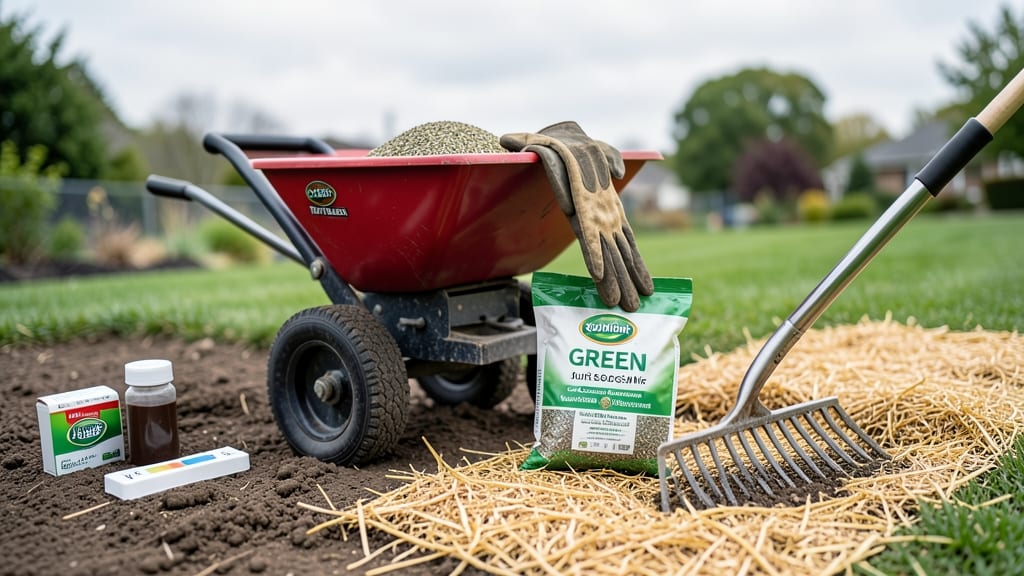
Planting grass seed in Seattle during late summer gives you the thickest, most weed-resistant lawn with less work than spring planting.
Here’s the catch: Seattle’s rainy climate and cool summers can make or break your lawn if you plant at the wrong time. Miss the window, and you’ll spend years battling thin patches and weeds. But get it right, and you’ll have a lush, low-maintenance lawn by next spring.
Seattle’s 8a climate means early fall (late August to early September) is the sweet spot for grass seed germination. The soil stays warm enough for roots to establish, while cooler air slows weed growth. This is why pros and gardeners swear by late summer planting—it’s the game-changer for Seattle lawns.
In this guide, I’ll walk you through the exact planting window, soil prep, and care tips tailored to Seattle’s microclimates—so you can skip the guesswork and get a lawn that stays green year-round.
Best late summer planting window in Seattle (with exact dates)
Seattle’s mild, wet climate creates a narrow window for planting grass seed successfully. Unlike hotter regions, late summer—specifically late August through early September—offers the perfect balance of warm soil and cooler air, reducing stress on seedlings.
This 4-6 week window lets grass establish roots before winter rains set in, giving it a head start for spring.
Timing matters because soil temperatures in Seattle typically stay above 55°F until early September. Grass seeds need this warmth to germinate, but the cooler air afterward slows weed growth, giving your lawn a competitive edge.
Miss this window, and you risk thin patches or fungal diseases from overwatering in the rainy season.
Here’s the ideal planting timeline for Seattle’s climate, including microclimate adjustments:
Urban Seattle yards—especially those near concrete or pavement—retain heat longer, extending your planting window by 1–2 weeks. If you’re in a suburban area with more shade trees, start planting by mid-August to avoid cooler soil.
Coastal neighborhoods near Puget Sound may need to push planting to early September due to cooler, damp air.
Seattle’s rainfall patterns shift in late summer, with August being the driest month on average. This gives you a 2-3 week dry spell to plant without worrying about waterlogged soil.
However, by mid-September, rains return, so prioritize well-draining soil and morning watering to prevent fungal issues like dollar spot.
For best results, aim to plant when soil temps are between 55–65°F and air temps stay above 60°F during the day.
Use a soil thermometer to check—if temps drop below 50°F, germination slows dramatically. Kentucky Bluegrass and Fescue blends thrive in this window, while Bermuda grass struggles in Seattle’s cool nights.
Pro tip: If you’re overseeding an existing lawn, late August is ideal because summer weeds are still active but won’t outcompete new grass if planted early enough.
By early September, weed seeds lie dormant, reducing competition. Water deeply 2x daily for the first week to encourage root growth before easing to 1 inch per week.
Adjust for shady spots—areas with less than 4 hours of sun should use shade-tolerant fescue and plant by mid-August to maximize light exposure.
In full-sun areas, you have until early September to plant without risking heat stress. Test your soil’s pH (ideal: 6.0–7.0) before planting, as Seattle’s acidic soils can stunt growth.
Remember: Early fall planting in Seattle isn’t just about timing—it’s about outsmarting the climate. By leveraging cooler air and shorter days, your grass will establish deep roots before winter, giving you a thicker, greener lawn next spring. Don’t wait until October—act now for the best results! 🌱
How Seattle’s climate affects grass seed germination (and what to do)
Seattle’s cool, damp climate creates unique challenges for grass seed germination. The consistent rainfall and mild temperatures can lead to fungal diseases, while competing weeds thrive in the same moist conditions. Without the right approach, your grass may struggle to establish strong roots before winter sets in.
One of the biggest hurdles is slow soil warming—even in summer, Seattle’s soil rarely stays above 65°F, the ideal temperature for germination. This delay gives weeds a head start. Additionally, excessive moisture can suffocate seeds or invite disease-causing pathogens like Pythium, which loves damp conditions.
While late summer is ideal, planting after mid-October risks seeds germinating too close to winter. Cold snaps can shock seedlings before roots establish. Aim to finish seeding by early October to allow 4-6 weeks of growth before frost.
To combat these issues, start with soil aeration to improve drainage and root penetration. Use a core aerator in late summer to create channels for seeds and water. Follow this with 2-3 inches of compost to boost organic matter—Seattle’s acidic soils (pH 5.5-6.5) often need this extra nutrition for germination.
Choose cold-hardy grass varieties like Kentucky Bluegrass or Tall Fescue blends, which tolerate Seattle’s cool nights and variable rainfall. These types also outcompete weeds naturally. Avoid Bermuda grass, which struggles in Pacific Northwest climates.
For weed control, apply a pre-emergent herbicide like pendimethalin 2 weeks before seeding—this blocks weed seeds without harming grass seedlings. Water lightly after application to activate it. Avoid post-emergent herbicides until your grass reaches 3-4 inches tall to prevent damage.
Finally, maintain consistent moisture without overwatering. Seattle’s morning rains can make scheduling tricky, so check soil moisture daily. If natural rain provides 0.5-1 inch weekly, reduce supplemental watering. Always water early in the day to minimize fungal risks.