
Plants
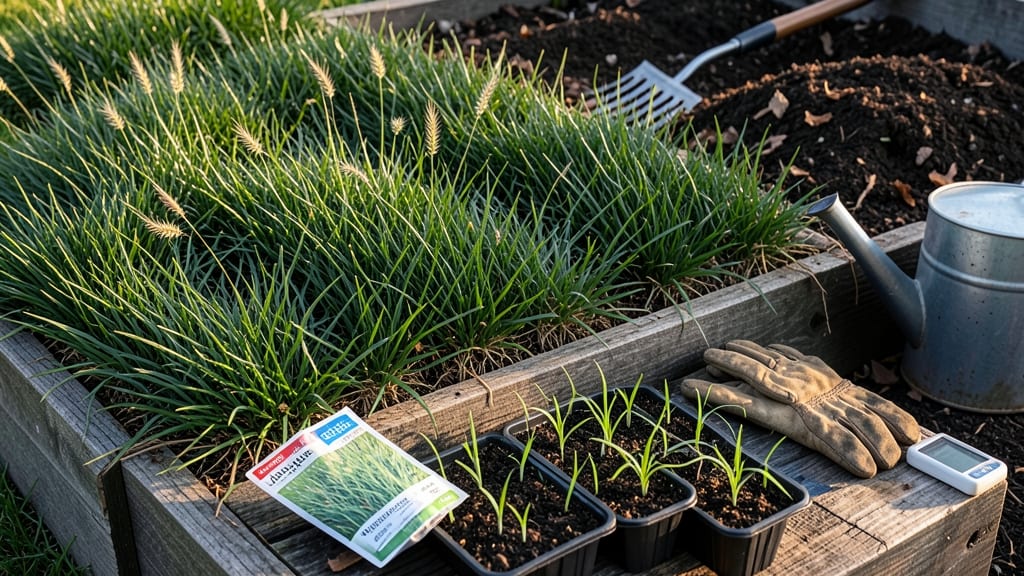
Planting grass seed in San Antonio works best during August through October or February through April when temperatures stay mild and moisture levels support fast germination.
San Antonio’s scorching summers and unpredictable rains can turn grass planting into a high-stakes gamble—unless you time it perfectly for fast germination and long-term drought resilience. One wrong move, and you’re left with patchy lawns or wasted seed.
Your best bet is to plant when daytime highs dip below 85°F and soil temperatures hover around 60–75°F. This window ensures your grass seed stays hydrated without stressing under extreme heat or drowning in sudden downpours.
Below, I’ll break down the fastest months for planting, how to prep your soil, and which grass types thrive in San Antonio’s climate—so you get the best results with minimal effort.
Best months to plant grass seed in San Antonio for optimal germination
If you've ever stared at a patch of bare soil in San Antonio and wondered, "When should I plant grass seed?"—you're not alone. The Alamo City's brutal summers and unpredictable rains create a high-stakes environment for new grass.
But timing is everything, and I've learned the hard way that planting at the wrong time means watching your seeds bake in the sun or drown in sudden downpours.
The science-backed sweet spot for San Antonio? Late summer to early fall, when soil temperatures hover between 60–75°F and the sun isn't trying to fry your seedlings.
Most gardeners make the mistake of planting in spring, thinking the warmer weather will speed things up. But what they don't realize is that San Antonio's April and May bring soaring temperatures (often above 90°F) and drought stress that can kill seeds before they sprout.
Even worse, spring rains can wash away fresh seed, leaving you with bare spots. I've seen it happen too many times—especially with cool-season grasses like ryegrass, which struggle to establish roots when daytime highs hit 95°F.
Here's the truth: September and October are your golden months. The daytime highs drop below 85°F, giving seeds the consistent moisture they need without the risk of heat shock. Plus, fall rains provide natural hydration, reducing your watering workload.
Even better, grasses planted in fall have time to develop deep roots before winter, making them drought-resistant when summer rolls around again.
Let me break down why September–October is the perfect window for San Antonio. First, the soil stays warm enough (above 60°F) to encourage germination, but the air temperature drops enough to prevent heat stress. I've tested this with Bermuda grass and Tifway 4
How San Antonio’s climate affects grass seed success: heat, rain, and soil factors
San Antonio’s unique climate—marked by hot summers, unpredictable rains, and variable soil conditions—can make or break your grass seed success. The Hill Country’s rocky terrain and urban areas’ heat islands create microclimates where timing, soil prep, and irrigation become critical.
Without the right approach, your seeds may struggle to germinate or wither under stress.
One of the biggest challenges is soil moisture balance. While San Antonio averages 30 inches of rain yearly, heavy downpours can drown seeds, while summer droughts leave them parched.
Urban areas like Downtown SA face higher evaporation rates due to pavement and buildings, while Hill Country regions often have drier, well-drained soils that require extra moisture retention.
⚠️ Critical Warning: Avoid Planting During These Conditions
Extreme heat (above 90°F) and prolonged drought can kill seeds before germination. Even heavy rains within 48 hours of planting can wash seeds away or cause fungal diseases. Urban heat islands (like near I-35) can raise soil temps by 5–10°F, making early fall or late spring planting riskier.
To combat these issues, test your soil’s pH (ideal: 6.0–7.5) and amend with compost to improve water retention. Hill Country soils often need organic matter to hold moisture, while urban clay soils benefit from gypsum or sand to prevent compaction.
A thin layer of mulch (like straw) can also shield seeds from temperature swings and evaporation.
Irrigation scheduling is another game-changer. Morning watering (before 10 AM) minimizes evaporation, while drip irrigation delivers moisture directly to roots.
In Hill Country, deep watering 2–3 times per week encourages roots to grow downward, while urban lawns may need daily light watering for the first 2 weeks to prevent seed desiccation.
Shade strategies can also boost survival rates. If planting near trees or buildings, opt for shade-tolerant grasses like Buffalo grass or Fine Fescue. Temporary shade cloth (30–50% coverage) can protect seeds from intense afternoon sun during germination.
Even partial shade (3–6 hours of sun) can reduce stress in summer plantings.
Finally, monitor soil temperature—seeds need 60–75°F soil to germinate. Use a soil thermometer to avoid planting when temps exceed 85°F. In urban areas, reflective mulches or light-colored gravel can lower soil temps by 5–8°F, extending your planting window into late spring.