
Planting
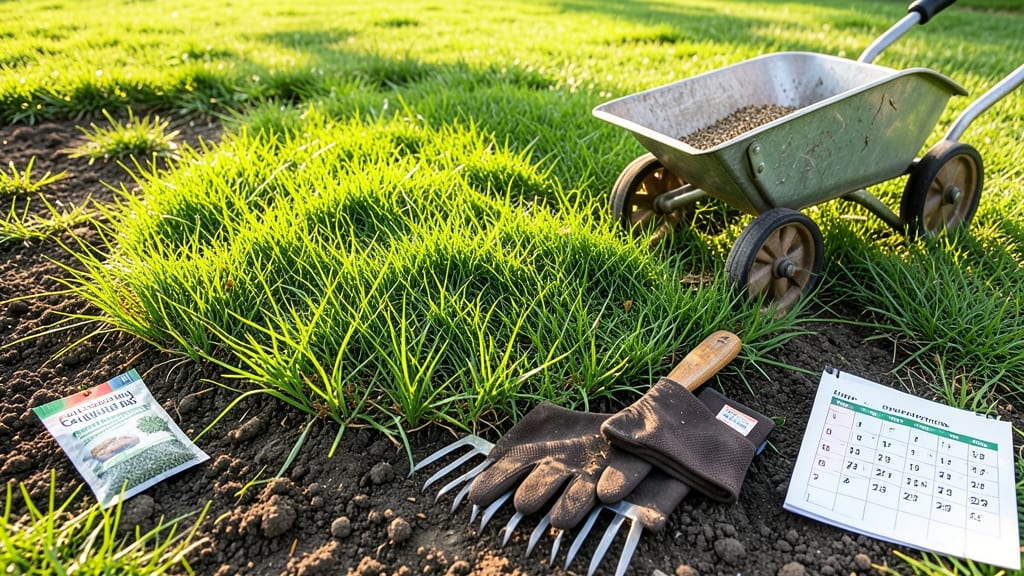
Planting grass seed in Pennsylvania at the right time means the difference between a thick, green lawn and a patchy, weed-infested mess 🌱.
Pennsylvania’s unpredictable spring and fall weather can make or break your lawn—planting grass seed at the wrong time means thin grass, weeds taking over, and wasted effort. But timing it right guarantees a lush, weed-resistant lawn that stays green year-round.
Most gardeners in zones 5-7 swear by early fall (September-October) as the best window, when soil stays warm but summer’s brutal heat has passed. Spring planting (March-April) works too, but you’ll need to act fast before the heat dries out new roots.
Below, I break down the exact planting schedule for your region, soil prep secrets to boost germination, and the one mistake that kills more lawns than drought or weeds.
Best Pennsylvania grass planting windows: fall vs spring timing explained
Pennsylvania’s cool-season grass thrives when planted during ideal temperature windows, not just seasons. The Keystone State’s USDA Zones 5-7 mean spring and fall are your best bets, but timing matters more than you think.
Plant too early, and seeds rot in cold soil. Too late, and summer heat stresses young sprouts.
Most Pennsylvania gardeners swear by early fall planting (September-October) because cooler temps and consistent rainfall give seeds a head start before winter dormancy. But late spring (April-May) works too—just avoid planting when soil temps exceed 85°F, which dries out seeds faster than you can water.
Here’s the key difference: Fall planting lets grass establish roots before winter, while spring planting gives you a summer-green lawn—but only if you act fast. Miss the window, and you’re stuck with patchy grass or weed takeover.
🌱
Pennsylvania’s microclimates complicate things further. In Philadelphia’s humid subtropical zone, fall planting stretches later (through early November), while Pittsburgh’s cooler continental climate may need earlier spring starts (March). Always check your last frost date—aim to plant 4-6 weeks before the first expected frost for fall success.
For spring planting, wait until soil warms to 55°F (use a soil thermometer) and nighttime temps stay above 40°F. Pro tip: Test your soil’s moisture retention—sandy soils dry out faster in spring, requiring more frequent watering.
Regional rainfall patterns also play a role. Western PA’s drier summers make fall planting safer, while eastern PA’s higher humidity lets you push spring planting slightly later. Always monitor weekly rainfall—if your area gets less than 1 inch of rain, supplement with irrigation.
💧
One common mistake? Planting too thickly in hopes of faster coverage. Over-seeding leads to seed competition and poor germination. Follow your seed bag’s recommended rate (typically 5-10 lbs per 1,000 sq ft for cool-season grasses) and use a spreader for even distribution.
After sowing, lightly rake seeds into soil (¼-inch deep) and keep the surface moist with a fine mist until germination (7-21 days). Avoid heavy foot traffic—new sprouts are fragile and can uproot easily. For fall plantings, a thin layer of straw mulch protects seeds from late-season frosts.
🌿
Remember: Pennsylvania’s best lawns start with the right timing. Whether you choose fall’s steady growth or spring’s quick green-up, plan ahead, test your soil, and give your grass the perfect start. With these windows, you’ll outpace weeds and drought—guaranteed.
How Pennsylvania’s climate affects grass seed germination success
Pennsylvania’s cool-season climate creates unique challenges for grass seed germination, where soil temperature and rainfall patterns can make or break your lawn. Unlike warmer states, PA’s USDA Zones 5-7 demand precise timing—plant too early, and seeds rot; too late, and weeds steal the show.
Understanding these regional microclimates is key to success.
The Pittsburgh region (Zone 6) typically sees last frosts around April 15, while Philadelphia (Zone 7) warms up slightly earlier. This 10-14 day difference means planting windows shift by weeks. Even within 100 miles, your ideal planting dates could vary dramatically, affecting germination rates by up to 30%.
| Factor | Pittsburgh (Zone 6) | Philadelphia (Zone 7) | Actionable Tip |
|---|---|---|---|
| Soil Temp for Germination | 50-65°F | 55-70°F | Use soil thermometer; wait until temps stabilize |
| Rainfall Timing | April-May (1.5" weekly) | March-April (2" weekly) | Supplement with 1" watering if rainfall drops below 1" |
| First Frost Date | October 10 | October 20 | Plant 6-8 weeks before frost for root establishment |
| Summer Heat Risk | High (July-August) | Moderate (June-July) | Avoid summer planting; use shade cloth if seeding late |
For spring planting, aim for March-April when soil temps consistently stay above 50°F. In Pittsburgh, this often means waiting until mid-April to avoid late frosts that can kill young seedlings.
Philadelphia gardeners can start slightly earlier, but monitor weekly rainfall totals—less than 1 inch per week requires supplemental watering to prevent dormancy.
Fall planting offers the best germination success in PA because cool temps reduce weed competition and consistent rainfall supports root growth. Seed between September-October, but adjust based on your region: Pittsburgh should finish by mid-September, while Philadelphia can extend to early October.
The key is planting 6-8 weeks before first frost to allow roots to establish before winter.
One common mistake is planting too early in spring when soils remain cold and wet. This creates perfect conditions for fungal diseases like Pythium, which can kill seedlings within days. Always check soil temps with a thermometer—wait until they hit 55°F+ for 5 consecutive days before seeding.
For late plantings, use a lightweight row cover to protect young grass from fall frosts.
Regional differences also affect seed selection. Tall fescue thrives in Pittsburgh’s cooler summers, while Kentucky bluegrass performs better in Philadelphia’s slightly warmer microclimate. Always choose cool-season grasses labeled for your specific zone, and consider mix varieties for better drought resistance in Zone 6 areas like the Poconos.