
Companion Plants
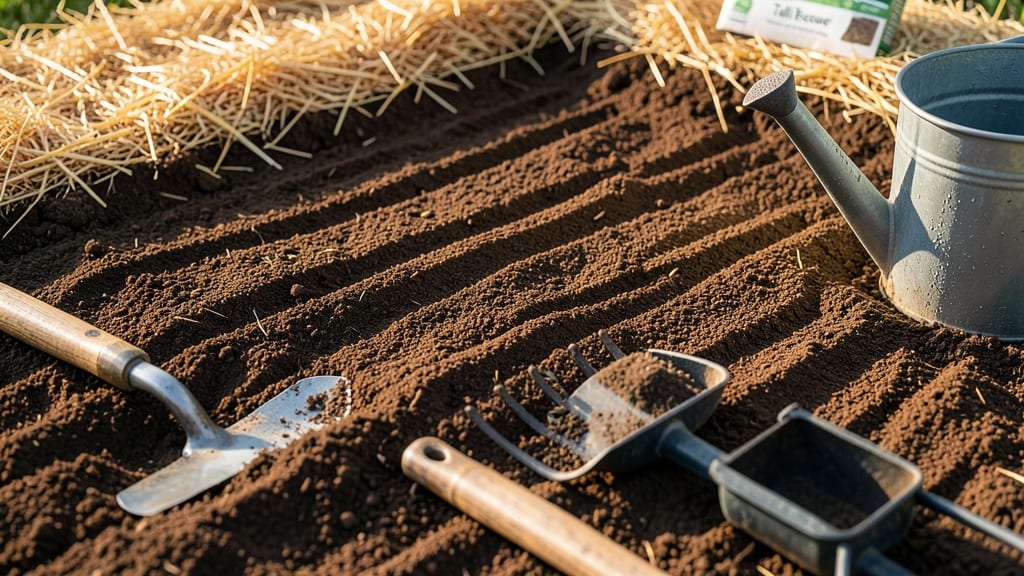
Planting grass seed in Pennsylvania in spring means timing it right for fast germination—soil temps of 40–55°F are your sweet spot, and missing that window can leave you with patchy lawns or wasted seed.
If you’ve ever stared at your calendar in March wondering, "Is it too early?" or "Am I waiting too long?"—you’re not alone. The key is planting 4–6 weeks before your last frost date, when the ground is workable but not baking yet.
Too soon, and frost heave can bury your seed; too late, and summer heat stresses new roots.
Pennsylvania’s climate varies wildly from Pittsburgh’s urban heat islands to rural zones with slower soil warming. That’s why I’ll break down the exact weeks by region, soil prep tricks for clay-heavy soils, and which grass types (like Kentucky Bluegrass or Tall Fescue) handle your microclimate best.
Ready to skip the guesswork? You’ll learn how to test soil temps with a simple thermometer, adjust for rain delays, and keep your new 🌱 grass hydrated without drowning it—all to get that lush, established lawn in 6–12 months.
Best soil temperature ranges for planting grass seed in PA (with exact week targets)
Pennsylvania’s cool-season grasses (like Kentucky Bluegrass and Tall Fescue) thrive when soil temperatures hover between 40°F and 55°F. This ideal range ensures rapid germination without risking frost damage. Planting too early or late can leave your lawn patchy and weak—so timing is everything.
Most PA regions see soil warm to 50°F by mid-April, but urban heat islands (like Philadelphia) may hit this threshold 1-2 weeks earlier than rural areas. Rural zones in the Poconos or Allegheny Plateau often lag behind by 10-14 days. Use a soil thermometer to confirm—never guess!
| PA Region | Soil Temp Threshold | Best Planting Week | Grass Types |
|---|---|---|---|
| Philadelphia | 48-52°F | Late March - Early April | Kentucky Bluegrass, Perennial Ryegrass |
| Pittsburgh | 45-50°F | Early April - Mid-April | Tall Fescue, Fine Fescue |
| Rural PA (Poconos) | 40-45°F | Mid-April - Late April | Creeping Red Fescue, Hard Fescue |
| Erie (Lake Effect) | 42-48°F | Early April - Early May | Mix of Bluegrass & Fescue |
For spring planting in PA, aim to seed when daytime highs are consistently above 50°F and nighttime lows stay above 35°F.
This usually lands in late March to early April for most areas. Kentucky Bluegrass, Pennsylvania’s state grass, germinates fastest at 50-55°F, while Tall Fescue tolerates slightly cooler soils (45-50°F).
If you’re in USDA Zone 6b (eastern PA), you can start as early as mid-March—but monitor forecasts for late frosts. In Zone 5b (northwest PA), wait until after April 1st to avoid frost heave, where young roots lift out of the soil.
Pro tip: Use a soil thermometer to check temps at 4-inch depth (where grass roots establish). If readings dip below 40°F, delay planting by 1-2 weeks—even if the air feels warm. Clay-heavy soils (common in central PA) cool slower than sandy soils, so adjust your timeline accordingly.
Fall planting is also ideal in PA, but if you’re focusing on spring, don’t rush.
Seed sown in May or June may germinate, but without 6-8 weeks of warm weather to establish roots, your lawn will struggle through summer heat. Perennial Ryegrass is the exception—it germinates quickly (7-14 days) and handles late spring planting better than other types.
To extend your planting window, consider starter fertilizer with phosphorus (look for 5-10-5 NPK ratios). This boosts root growth, helping seedlings compete with weeds and recover from light frosts. Apply it 2-3 days before seeding for best results.
Remember: Soil temperature > air temperature. A sunny 70°F day with a 45°F soil means your seed is still dormant. Use a clear plastic mulch (like reused greenhouse plastic) to warm soil by 5-10°F if you’re planting early. Just remove it after seeding to avoid overheating.
For Pennsylvania’s variable climate, bookmark your local NOAA frost date maps and set a reminder to check soil temps weekly in March. The first 2 weeks of April is your sweet spot for most of the state—don’t miss it! 🌱
How to adjust planting dates for Pennsylvania’s microclimates (Pittsburgh vs. Philadelphia vs. rural zones)
Pennsylvania’s microclimates create a 2-week difference in ideal planting windows—urban areas like Philadelphia and Pittsburgh warm up faster than rural zones due to the urban heat island effect. This means your neighbor’s perfect timing might leave your seeds struggling or sprouting too late.
Understanding these variations helps you time your grass seed for maximum germination and root establishment.
Use the USDA Plant Hardiness Zone Map (Pennsylvania spans 5b-7a) as your starting point, but adjust for local conditions.
Rural areas in central PA (e.g., Lancaster County) often have cooler soils longer than cities, while Philadelphia’s concrete and buildings trap heat, accelerating soil warming. Kentucky Bluegrass, the state’s favorite, thrives in these varied conditions but needs precise timing to avoid frost damage or heat stress.
Comparison Table: Planting Windows by PA Microclimate
| Microclimate | Ideal Planting Window | Soil Temp Range | Best Grass Types | Key Adjustment |
|---|---|---|---|---|
| Philadelphia (Urban) | Late March–Early April | 45–55°F (7–13°C) | Kentucky Bluegrass, Perennial Ryegrass | Plant 1–2 weeks earlier than rural zones |
| Pittsburgh (Urban) | Early April–Mid-April | 40–50°F (4–10°C) | Tall Fescue, Fine Fescue | Avoid planting before April 1 to prevent frost heave |
| Rural PA (Lancaster, Erie) | Mid-April–Early May | 40–55°F (4–13°C) | Kentucky Bluegrass, Mixes with Clover | Wait for consistent 50°F+ soils to avoid slow germination |
For Pittsburgh’s cooler springs, Tall Fescue is my top recommendation—it tolerates shade and temperature swings better than Kentucky Bluegrass. In Philadelphia, where sidewalks and buildings create heat pockets, Perennial Ryegrass germinates faster due to warmer microclimates.
Rural areas benefit from clover mixes, which fix nitrogen in clay-heavy soils common in central PA.
Pro tip: Check soil temps with a soil thermometer (aim for 45–55°F) rather than relying on air temps. Urban soils can be 10°F warmer than rural ones on the same calendar date.
If you’re unsure, test a small patch—overseeding a 10x10 ft area lets you adjust timing without risking your whole lawn.
Remember, late spring plantings (May–June) are riskier but can work if you use shade-tolerant grasses like Fine Fescue. Just be prepared for weed competition during hotter months. For most of Pennsylvania, early April is your sweet spot—just tweak based on your microclimate.
🌱