
Companion Plants
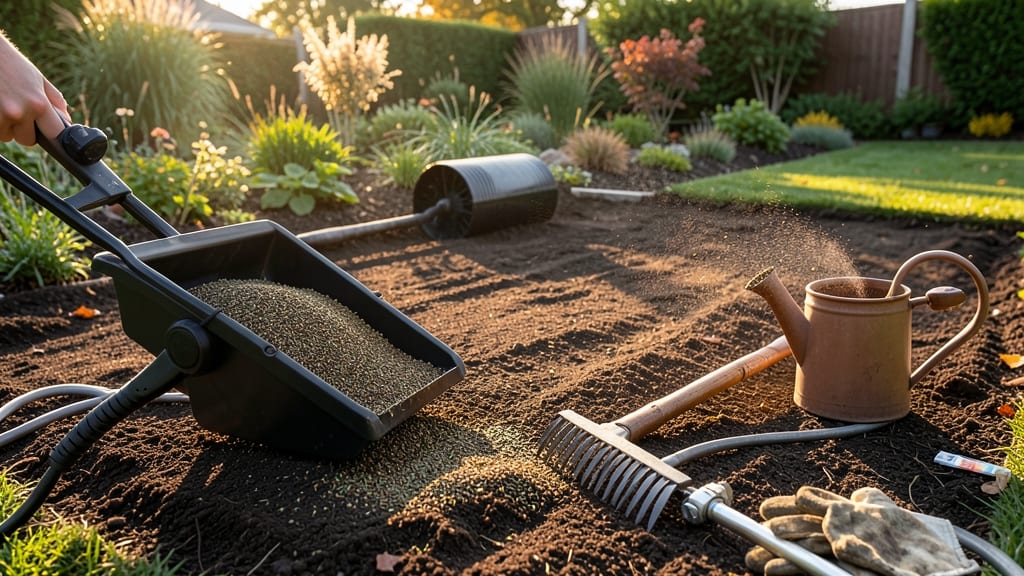
Planting grass seed in Pennsylvania’s fall months is your best shot at a thick, resilient lawn—but the clock is ticking before frost sets in.
Picture this: You’ve prepped the soil, chosen the right seed mix, and are ready to roll—only to watch your hard work freeze in place because you planted too late. That’s why timing matters more than anything else, especially in zones 5b-7a where first frost can sneak up by late October.
Fall planting works because cooler temps and frequent rain give grass seed a head start on root growth before winter slows things down. But rush it, and you’ll end up with patchy, weak turf.
The ideal window? Between September 15 and October 15, when soil temps hover around 60-70°F—perfect for germination without inviting weeds.
In this guide, I’ll break down the exact dates by zone, soil prep secrets, and the three biggest mistakes that kill fall lawns. By the end, you’ll know not just when to plant, but how to set your new turfgrass up for a lush, year-round green.
Best fall grass seed planting dates in Pennsylvania by hardiness zone
Pennsylvania’s cool fall temperatures create ideal conditions for grass seed germination. Unlike spring planting, fall gives seeds 6-8 weeks to establish roots before winter dormancy. But timing varies by hardiness zone—plant too early, and weeds take over; too late, and frost stunts growth.
Let’s break down the perfect planting windows for Zones 5b, 6a, and 7a.
Your zone determines first frost dates, which is critical. In Zone 5b, average first frost arrives October 15-30, while Zone 7a holds off until November 1-15.
Planting 4-6 weeks before frost ensures seeds germinate and roots strengthen before winter. Miss this window, and you risk thin, patchy lawns next spring.
🌱
| Zone | Ideal Planting Window | Soil Temp Range (°F) | First Frost Risk | Grass Seed Recommendations |
|---|---|---|---|---|
| 5b | September 15 - October 10 | 50-65°F | High after Oct 15 | Tall fescue, fine fescue |
| 6a | September 20 - October 15 | 55-70°F | Moderate after Oct 20 | Kentucky bluegrass, ryegrass |
| 7a | September 25 - October 30 | 60-75°F | Low until Nov 10 | Perennial ryegrass, fine fescue |
For Zone 5b gardeners, aim to finish planting by October 10—after that, frost risk jumps dramatically. Soil temperatures should stay between 50-65°F for optimal germination. Tall fescue and fine fescue thrive in these conditions, offering drought resistance and dense growth.
In Zone 6a, you’ve got a slightly longer window—September 20 to October 15. This zone’s warmer soils (55-70°F) suit Kentucky bluegrass and ryegrass, which germinate faster. But don’t wait past October 15: first frosts become likely, and seeds may not establish roots before dormancy.
Zone 7a’s extended fall lets you plant until late October, but soil temps above 75°F can stress seeds. Perennial ryegrass is a top pick here—it germinates quickly and handles early winter chill better than other types.
Test soil temps with a soil thermometer to avoid planting when it’s too warm.
🌿
Pro tip: Check the 10-day forecast before planting. If nighttime temps drop below 40°F, delay seeding until conditions stabilize. Morning frost can kill newly sprouted grass, so monitor local weather alerts closely. For extra protection, use a lightweight frost blanket if planting near your zone’s cutoff date.
Once seeds are in the ground, consistent moisture is key. Water lightly but daily (about ¼ inch) until germination (7-14 days), then taper to 1 inch per week.
Avoid overwatering, which causes seed rot. In Zone 5b, reduce watering by late October to prep for winter, while Zone 7a can keep watering until November 15.
💧
Finally, fertilize after planting—but wait until seeds germinate. Use a low-nitrogen starter fertilizer (like 10-20-20) to encourage root growth without burning tender shoots. Apply it 2-3 weeks after germination, then switch to a slow-release fall fertilizer in late September to strengthen roots before winter.
By following these zone-specific dates and tips, your Pennsylvania lawn will emerge thick, green, and resilient next spring—no weak patches or weed invasions in sight! 🌱
How to prepare your soil and choose grass seed for fall planting
Fall is the ideal time to plant grass seed in Pennsylvania, but soil preparation and seed selection make all the difference. Cool-season grasses like Kentucky bluegrass, fescue, and ryegrass thrive when planted before the first frost.
Start by testing your soil—most PA lawns need a pH between 6.0 and 7.0 for optimal germination.
If your soil is too acidic, add lime 4-6 weeks before planting. For compacted soil, aerate with a core aerator to improve water and nutrient absorption. This step is critical—poor soil prep leads to weak roots and patchy growth.
I’ve seen lawns fail because homeowners skipped this step, so don’t make that mistake!
Planting Grass Seed in PA Fall: Pros & Cons
✅ Pros
- Cooler temps reduce weed competition
- Seeds germinate before winter dormancy
- Established roots survive harsh winters
- Less watering needed than spring planting
❌ Cons
- Late planting risks frost damage
- Soil may harden if not prepped early
- Weeds can still sprout with warm spells
- Limited seed selection compared to spring
For Pennsylvania’s climate, Kentucky bluegrass is a top choice—it spreads aggressively to fill bare spots, but it needs full sun (6+ hours daily). Tall fescue is drought-tolerant and thrives in partial shade, while annual ryegrass germinates quickly for temporary coverage.
Mixing types (e.g., 70% fescue + 30% ryegrass) creates a resilient lawn.
After tilling, spread seed evenly using a broadcast spreader at the rate listed on the package (typically 4-8 lbs per 1,000 sq ft). Lightly rake to ensure seed-to-soil contact, then water lightly daily to keep soil moist. Avoid deep watering—this can bury seeds too deep, preventing germination.
Mulch with straw (not hay) to retain moisture and protect seeds from drying winds. This step is especially important in PA’s variable fall weather. I’ve had the best success with a ¼-inch layer of straw, which also suppresses weeds naturally.
Finally, apply a slow-release fertilizer (10-0-10 NPK ratio) 4-6 weeks after planting to encourage root growth. Avoid high-nitrogen fertilizers early—they promote top growth at the expense of roots. With proper prep, your lawn will establish strong roots before winter, giving you a head start in spring.