
Plants
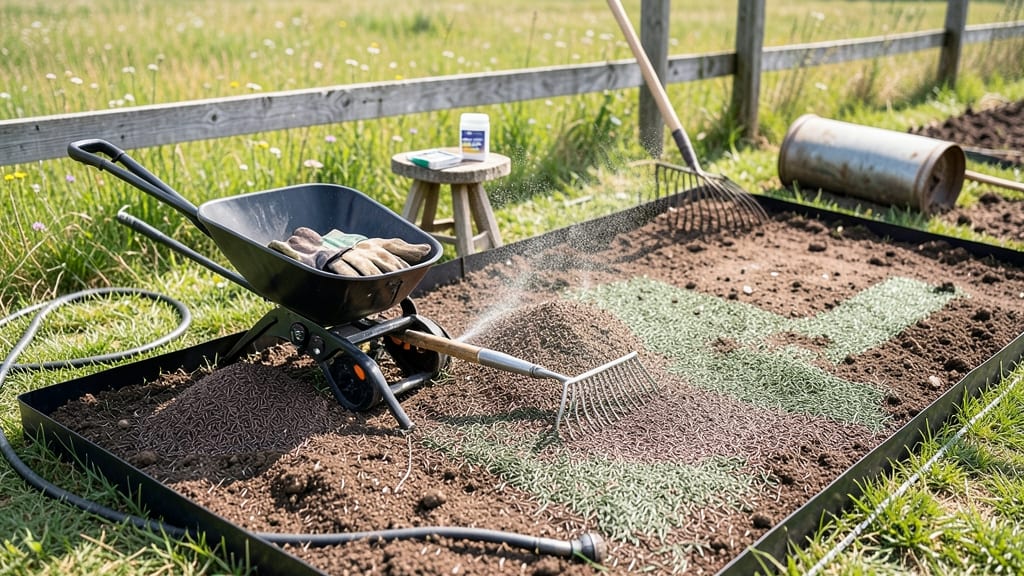
Planting grass seed in Oklahoma at the right time can mean the difference between a lush, weed-resistant lawn and a patchy, high-maintenance mess.
Oklahoma’s unpredictable weather can turn a lush lawn into a battleground—unless you plant grass seed at the perfect time. Timing isn’t just about seasons; it’s about avoiding droughts, heat spikes, and weed invasions that can ruin your hard work.
If you’ve ever poured time and money into seeding only to watch weeds take over or the grass struggle in the heat, you know how critical this step is.
The best months for Oklahoma’s 6a-8a zones are early spring and early fall, but there’s more to it than just picking a month.
In this guide, I’ll walk you through the ideal planting windows, soil prep secrets, and regional tips to help your grass seed thrive—no matter where you are in the state.
Best months to plant grass seed in Oklahoma by region (with weather insights)
Oklahoma’s three distinct regions—Northern, Central, and Southern—each demand different timing for grass seed planting. The USDA zones 6a-8a create microclimates where cool-season grasses (like tall fescue) thrive in spring/fall, while warm-season grasses (like Bermuda) need summer heat.
Get it wrong, and you’ll battle drought stress or weed competition.
Northern Oklahoma’s cooler springs and earlier frosts shift planting windows earlier than Southern Oklahoma’s longer growing seasons. Central Oklahoma sits in the middle, balancing both extremes. Let’s break down the best months for each region, including soil temperatures, rainfall patterns, and grass type recommendations.
🌱 Pro Tip: Always check soil temperatures (ideal: 55-65°F) with a soil thermometer—Oklahoma’s clay-heavy soils can stay too cold or dry for germination.
| Region | Best Planting Months | Grass Types | Soil Temp (°F) | Rainfall (in/month) | Key Risks |
|---|---|---|---|---|---|
| Northern OK (Zone 6a) | March–April (spring) or August–September (fall) | Tall fescue, Kentucky bluegrass | 55–65°F | 2.5–3.5 in | Late frosts, drought |
| Central OK (Zone 7a) | April–May (spring) or September (fall) | Tall fescue, Bermuda (late spring) | 60–70°F | 2.0–4.0 in | Heat stress, weed sprouts |
| Southern OK (Zone 8a) | May–June (warm-season) or September–October (cool-season) | Bermuda, Zoysia, St. Augustine | 70–80°F | 1.5–3.0 in | Extreme heat, fungal diseases |
In Northern Oklahoma, where Zone 6a brings earlier frosts, aim for March–April or August–September. Cool-season grasses like tall fescue establish best when soil temps hover around 55–65°F. Skip planting in May—summer heat will bake seeds before they sprout. 🌿
Central Oklahoma’s Zone 7a offers a 6-week window in spring (April–May) and a 4-week window in fall (September). Here, Bermuda grass can be sown in late May once soil warms to 70°F+. However, weed competition spikes in June, so act fast. ☀️
Southern Oklahoma’s Zone 8a extends the warm-season window to May–June, perfect for Bermuda or Zoysia. But September–October is ideal for cool-season grasses like tall fescue, as summer’s 100°F+ heat can scorch new seedlings. 💧
Watch for rainfall shifts: Northern OK gets 3.5 inches/month in spring, while Southern OK drops to 1.5 inches in summer. Use mulch or drip irrigation to retain moisture during dry spells. ✂️
For warm-season grasses, like Bermuda, plant only after soil temps exceed 70°F. In Central/Southern OK, this means late May. Cool-season grasses (tall fescue) need 55–65°F soils, so September is your last chance before winter dormancy. 🌱
If you miss the ideal window,
How to prepare Oklahoma soil for grass seed success (step-by-step guide)
Oklahoma’s clay-heavy soils can make or break your grass seed success. Without proper prep, seeds struggle to germinate, leading to patchy lawns or wasted money. The key is balancing soil structure, pH levels, and weed suppression—especially in our USDA Zones 6a-8a.
I’ve learned the hard way: skipping soil prep means fighting weeds for years instead of enjoying a lush lawn.
Start with a soil test—Oklahoma’s clay often has a low pH (5.0-6.0) that stunts grass growth. Test kits from your local extension office cost $10-$20 and reveal exactly what amendments you need.
Aim for a pH of 6.0-7.0 for cool-season grasses like tall fescue or 6.5-7.5 for warm-season Bermuda grass. Adjust with lime (to raise pH) or sulfur (to lower pH), applied 2-3 months before planting.
🌱 Step-by-Step Soil Prep Checklist
-
Step 1: Clear the Area
Remove existing weeds and debris using a broadfork or till to 3-4 inches deep. Avoid over-tilling—it disrupts soil structure and compacts clay. -
Step 2: Loosen Clay Soil
Break up clay clumps with a garden fork or rototiller to improve aeration. Add 2-3 inches of compost or aged manure to loosen heavy soil naturally. -
Step 3: Test & Adjust pH
Use a soil test kit to check pH. For acidic soil (pH <6.0), apply pelletized lime at 50 lbs per 1,000 sq ft. For alkaline soil (pH >7.5), add elemental sulfur at 2 lbs per 100 sq ft. -
Step 4: Add Organic Matter
Mix in 2-3 inches of compost or well-rotted manure to improve water retention and nutrient availability. Oklahoma’s clay benefits from peat moss or coconut coir to lighten texture. -
Step 5: Level the Soil
Rake the area smooth with a bow rake to create a firm, even surface. Fill low spots with a soil-sand mix (50/50) to prevent water pooling. -
Step 6: Apply Starter Fertilizer
Use a low-nitrogen starter fertilizer (10-20-10) at 1/2 lb per 100 sq ft. This provides phosphorus for root growth without burning young seedlings. -
Step 7: Pre-Water the Soil
Water the prepared area 1-2 days before planting to a depth of 6 inches. Moist soil helps seeds make immediate contact with moisture for faster germination.
One mistake I see often is over-tilling, which turns Oklahoma’s clay into a powdery mess that compacts when wet. Instead, focus on loosening 3-4 inches deep—just enough to break up clods without destroying soil structure.
If your soil feels gummy when wet, mix in coarse sand or perlite to improve drainage.
Weed control is critical—crabgrass and nutsedge thrive in Oklahoma’s heat and can choke out new grass. Apply a pre-emergent herbicide like pendimethalin 2 weeks before planting, or use a corn gluten meal organic alternative.
For existing weeds, spot-treat with glyphosate (like Roundup) 4-6 weeks before seeding to avoid residue damage.
Finally, mulch lightly with straw or peat moss after planting to retain moisture and block weeds. Avoid thick mulch layers—1/4 inch max—or you’ll smother seeds. Water gently with a fine mist for the first 7-10 days, keeping the soil consistently moist but not soggy.
With these steps, your Oklahoma lawn will germinate 2-3 weeks faster and outcompete weeds naturally. 🌱