
Plants
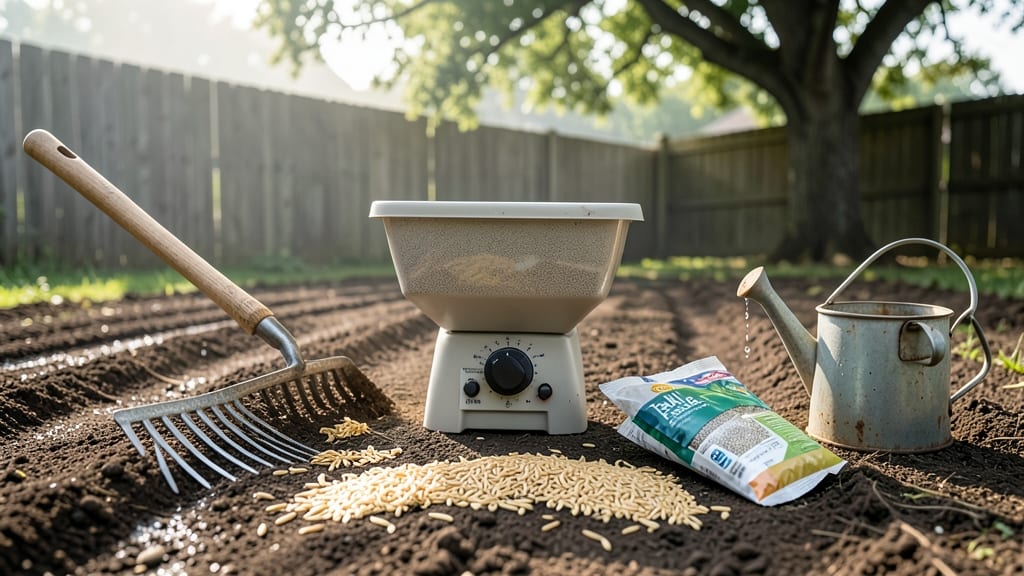
Planting grass seed in North Carolina at the right time means the difference between a lush lawn and a patchy disappointment—cool-season grasses thrive in early spring or fall, while warm-season varieties need summer heat.
North Carolina’s humid summers and unpredictable weather can make or break your lawn—planting grass seed at the wrong time often leads to patchy growth or wasted effort. Timing is everything, but deciding between early spring and fall planting can be confusing.
In this guide, I’ll break down the ideal planting windows for your region, whether you’re in the mountains, Piedmont, or coastal plains, and share the key steps to prepare your soil for success.
You’ll also learn how to avoid common mistakes like overwatering, planting too early or too late, and ignoring your grass type’s needs—so your lawn stays green and healthy all year long.
North Carolina’s ideal grass planting windows: early spring vs. fall timing
North Carolina’s diverse climate—from the coastal humidity to the mountain chill—means your grass planting timing must align with local microclimates. Cool-season grasses like tall fescue and Kentucky bluegrass thrive in early spring or fall, while warm-season types like Bermuda and Zoysia prefer late spring.
The key? Plant when soil temps hit 50–65°F for cool-season grasses and 70–85°F for warm-season varieties.
Most of NC experiences its last frost between March 15–April 15, making early spring ideal for cool-season grasses. However, fall planting (August–September) often yields thicker growth because weeds are less aggressive, and cooler temps reduce stress on young seedlings.
Let’s break down the best windows for each region and grass type.
🌱 Comparison Table: Early Spring vs. Fall Planting in NC
| Factor | Early Spring (March–April) | Fall (August–September) |
|---|---|---|
| Best For | Cool-season grasses (tall fescue, Kentucky bluegrass) | Cool-season grasses (same) + warm-season prep |
| Soil Temp | 50–65°F (ideal germination) | 60–75°F (cooler than summer) |
| NC Regions | Piedmont (March 20), Mountains (April 1), Coastal (March 15) | All regions (avoid after first frost) |
| Weed Competition | Moderate (spring weeds emerge) | Low (weeds slow in fall) |
| Watering Needs | High (spring rains vary) | Moderate (fall humidity helps) |
| Establishment Time | 6–8 weeks (summer stress risk) | 4–6 weeks (cooler temps aid growth) |
| Best For Warm-Season? | No (plant after last frost) | Yes (late August for Bermuda) |
In the Piedmont region, where soils are often clay-heavy, early spring planting (after March 20) gives cool-season grasses a head start before summer heat sets in.
The mountains, with their later last frosts (April 1), benefit from waiting until late March to avoid frost damage. Meanwhile, the coastal plain can plant as early as mid-March thanks to milder winters.
Fall planting shines in NC because humidity drops after August, reducing fungal risks like dollar spot. Aim to plant 6–8 weeks before first frost (typically early November in the Piedmont).
For warm-season grasses, late August is your window—plant Bermuda or Zoysia before September 15 to let roots establish before winter.
Pro tip: Check soil temps with a soil thermometer—cool-season grasses need 50°F+, while warm-season types thrive at 70°F+. If temps spike above 85°F in spring, delay planting until fall to avoid seed desiccation.
Regional microclimates matter! In the Asheville area (Zone 7a), plant cool-season grasses March 20–April 15; in Raleigh (Zone 7b), shift to March 15–April 30.
Coastal areas like Wilmington (Zone 8a) can start as early as February 15 for warm-season grasses, but avoid planting if frost is forecasted.
One common mistake? Planting too early in spring when soils are still cold or too late in fall when weeds take over. For best results, align your planting with NC’s average frost dates and soil conditions. Test your soil’s pH (6.0–7.0) and amend with compost or lime before seeding.
Whether you choose early spring or fall, prioritize consistent moisture and light fertilization (10-0-10) to encourage root growth. With the right timing, your NC lawn will establish thicker and greener than ever before. 🌿
How to prepare your lawn for grass seed success in NC’s climate
North Carolina’s diverse climate—from the clay-heavy soils of the Piedmont to the sandy coastal regions—demands precise lawn prep before seeding. Without proper preparation, your grass seed may struggle to germinate or establish roots, especially during NC’s hot summers or humid falls.
The key to success lies in soil testing, weed control, and moisture management tailored to your specific microclimate.
Start by testing your soil’s pH level, which should ideally fall between 6.0 and 7.0 for most grass types. NC’s varied regions—like the mountainous west or coastal plains—may require amendments like lime (to raise pH) or sulfur (to lower it).
A simple soil test kit from your local extension office can save you from costly mistakes and ensure your seed has the perfect foundation to thrive.
📋 STYLED LIST: NC-SPECIFIC LAWN PREP CHECKLIST
- ✅ Test soil pH (aim for 6.0–7.0) using a home test kit or send a sample to NC State Extension.
- ✅ Remove weeds with a non-selective herbicide (like glyphosate) 2–4 weeks before seeding, or hand-pull dandelions and crabgrass manually.
- ✅ Loosen compacted soil with a core aerator (critical for Piedmont clay soils) or a spading fork for sandy coastal areas.
- ✅ Add organic matter: Mix in 2–3 inches of compost or aged manure to improve drainage and moisture retention.
- ✅ Level the soil with a rake, filling low spots with a soil-sand mix to prevent water pooling.
- ✅ Apply starter fertilizer (high in phosphorus) to encourage root growth before seeding.
- ✅ Water deeply the day before seeding to settle the soil and create a moist seedbed.
Weed control is non-negotiable in NC’s climate, where crabgrass and nutsedge can outcompete new grass seedlings. If you’re dealing with persistent weeds, apply a pre-emergent herbicide like corn gluten meal (organic option) or a synthetic pre-emergent 2–4 weeks before seeding.
For existing weeds, a spot treatment with vinegar (for small patches) or a targeted herbicide (like 2,4-D) works best—just avoid over-spraying near your new seed.
Moisture management is another critical factor, especially during NC’s summer heat or fall humidity. Overwatering can lead to seed rot, while underwatering causes poor germination. Aim to keep the soil consistently moist (about 1–2 inches deep) for the first 2–3 weeks after planting.
Water early in the morning to reduce evaporation and fungal risks. For sandy coastal soils, you may need to water more frequently, while clay-heavy Piedmont soils retain moisture longer.
Finally, protect your newly seeded lawn from bird damage and washing away by covering the area with straw mulch (not wood chips, which can introduce weeds). In NC’s humid fall, this also helps regulate soil temperature and retain moisture.
Once your grass reaches 3–4 inches tall, you can remove the mulch and transition to regular mowing—keeping blades at 3–4 inches for cool-season grasses like tall fescue or Kentucky bluegrass.
With these steps, your NC lawn will be ready for successful grass seed germination, no matter whether you’re planting in early spring or fall. The extra effort now pays off with a lush, resilient lawn that stands up to the state’s unique challenges. 🌱