
Plants
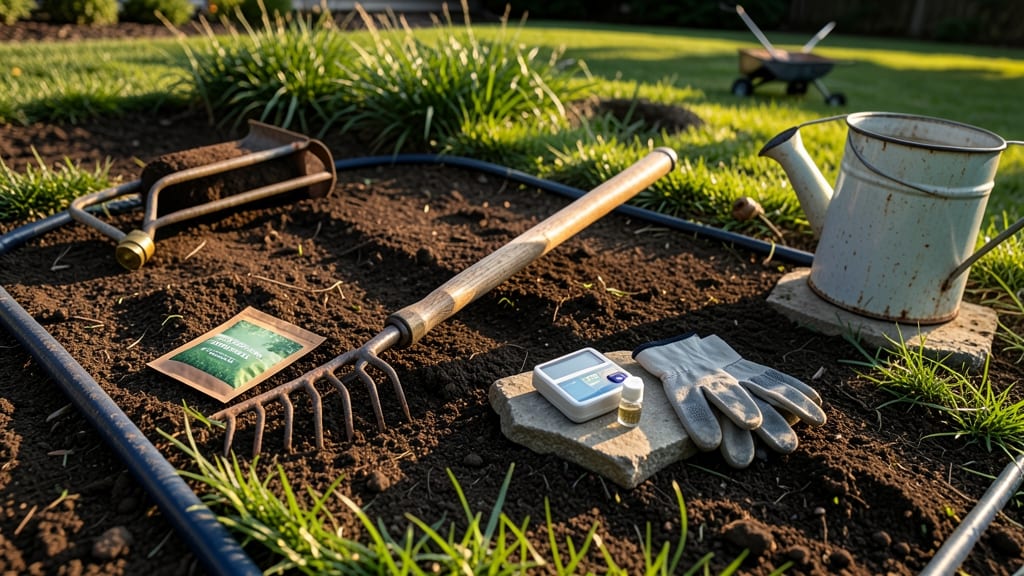
Planting grass seed in New Jersey at the right time means the difference between a thick, green lawn and a patchy, weed-infested mess.
Struggling to get a lush, green lawn in New Jersey? Timing is everything—plant grass seed at the wrong time, and you’ll battle weeds, poor germination, and wasted money. But get it right, and you’ll enjoy a thick, vibrant lawn all season long.
New Jersey’s USDA zones 6a-7b mean your best bets are early spring (March-April) or early fall (September-October), when soil temps hover between 50-70°F and moisture levels are ideal. Coastal areas may need adjustments for humidity, while inland zones face different frost risks.
Below, I’ll break down the perfect planting windows, soil prep tips, and how to avoid common NJ mistakes—so you can skip the guesswork and plant with confidence.
Best months to plant grass seed in NJ based on climate zones
New Jersey’s diverse climate zones—ranging from USDA Zone 6a in the north to Zone 7b in the south—mean your ideal planting window depends on where you live. Northern NJ (like Bergen County) has cooler springs and earlier frosts, while Southern NJ (like Cape May) enjoys milder winters.
Both regions benefit from early fall or late spring planting, but timing is critical to avoid heat stress or frost damage.
For cool-season grasses (Kentucky bluegrass, fine fescue, and tall fescue—the most common in NJ), aim for soil temperatures between 50°F and 65°F. This range ensures strong germination without overheating.
In Northern NJ, this typically means late March to early April in spring and mid-September to early October in fall. Southern NJ can extend spring planting slightly later, into mid-April, and fall planting into early November.
Why timing matters: Planting in summer (June-August) exposes seeds to heat stress and drought, while planting too late in fall (after October 15) risks frost killing seedlings. Even winter planting (December-February) is possible in Southern NJ, but requires extra care to protect seeds from freezing.
If you miss the ideal windows, late summer (August) can work for tall fescue, which tolerates heat better than other cool-season grasses. However, avoid planting in summer unless you’re using shade-tolerant varieties like fine fescue and have a drip irrigation system to keep soil moist.
For warm-season grasses (like Bermuda or Zoysia, less common in NJ but used in sunny areas), plant in late spring (May-June) when soil temps reach 65°F–75°F. These grasses struggle in NJ’s cooler climate but thrive in Southern NJ’s warmer microclimates.
Pro tip: Use a soil thermometer to check temps before planting. Northern NJ gardeners should seed by April 15 in spring or October 1 in fall, while Southern NJ can push to May 1 or November 15.
Always aim for 6–8 weeks of growth before the first frost—this ensures a strong root system.
One common mistake is waiting until late spring (May-June) when weeds are already established. Early fall planting often yields better results because cooler temps reduce weed competition, and seeds germinate before winter dormancy.
Just be sure to water deeply 2–3 times weekly until germination (usually 10–21 days depending on the variety).
For coastal areas, like Cape May or Atlantic City, higher humidity means extra vigilance against fungal diseases like brown patch. Choose disease-resistant varieties like ‘Shademaster’ Kentucky bluegrass and avoid overhead watering.
How to prepare your NJ lawn for grass seed planting in 3 critical steps
New Jersey’s compacted clay soils and humid summers demand extra prep work before planting grass seed. Skipping these steps means poor germination, weed invasion, and wasted seed. I’ve learned the hard way—my first lawn project failed because I rushed the soil prep!
Let’s fix that with these three critical steps tailored for NJ’s unique growing conditions.
First, you’ll need to test and adjust your soil. NJ soils often have high clay content and pH imbalances (especially in northern areas), which can suffocate grass roots. Cool-season grasses like Kentucky bluegrass and tall fescue (common in NJ) thrive in pH 6.0-7.0.
If your soil tests higher or lower, lime or sulfur will save your seed investment.
-
Step 1: Soil Testing & Amendments
Send a soil sample to your NJ County Extension Office (free or low-cost). Aim for pH 6.0-7.0 and organic matter 5%+. For clay-heavy soils, mix in 2-3 inches of compost or sand to improve drainage.
-
Step 2: Weed & Debris Removal
Kill weeds with corn gluten meal (natural pre-emergent) or glyphosate (2 weeks before seeding). Rake away debris—NJ’s humid summers mean decaying matter attracts pests.
-
Step 3: Seedbed Prep
Loosen soil to 4 inches deep with a core aerator (rent one for $60/day). For compacted NJ soils, spike aerate if needed. Level the area and press lightly to ensure seed-to-soil contact.
Don’t overlook seed selection—NJ’s USDA zones 6a-7b favor cool-season grasses. Tall fescue handles heat better than Kentucky bluegrass, while fine fescue thrives in shady spots (common in NJ’s wooded areas). Warm-season grasses like Bermuda struggle in our winters, so avoid them unless you’re in southern NJ.
After prepping, water lightly to settle seeds into the soil. Use a sprinkler with fine mist to avoid washing seeds away—NJ’s afternoon thunderstorms can be brutal on new seedlings.
Keep soil consistently moist (not soggy) for the first 2-3 weeks. Pro tip: Lay down straw mulch (not hay) to retain moisture and block weeds.
Finally, avoid foot traffic for at least 4-6 weeks. I once stepped on my freshly seeded lawn after 2 weeks—my mistake led to bare patches where the soil compacted again. Patience pays off: A well-prepped NJ lawn can germinate in 7-21 days (depending on seed type and weather).
With these steps, your NJ lawn will establish strong roots before summer heat or winter frost hits. Next, we’ll cover common NJ planting mistakes to avoid—like ignoring frost dates or overwatering. Stay tuned!