
Plants
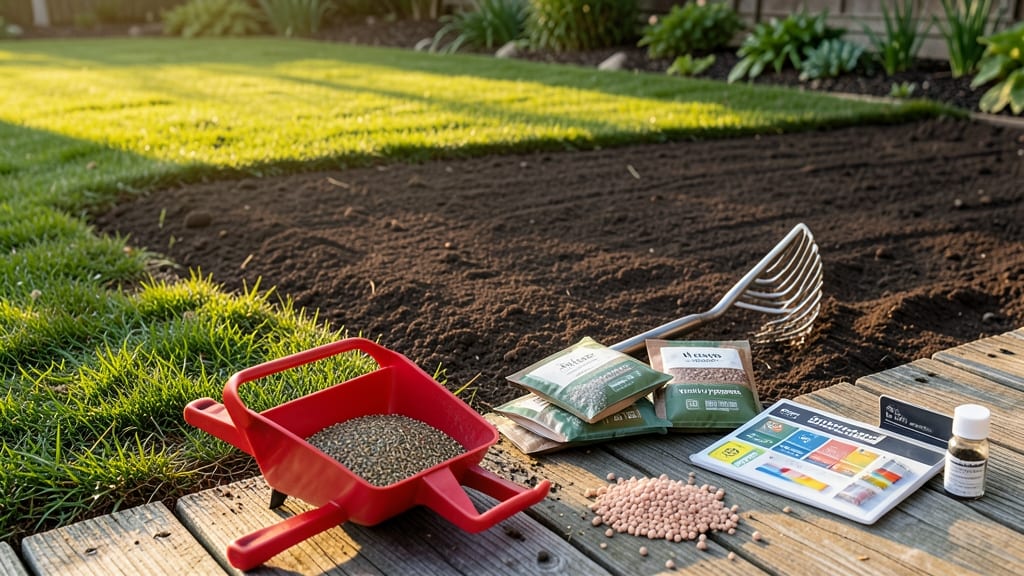
Planting grass seed in Nebraska at the right time means the difference between a lush lawn and a patchy mess—cool-season grasses like Kentucky bluegrass need soil temps between 50°F and 65°F to germinate properly.
Nebraska’s unpredictable spring and fall weather can make or break your lawn—planting grass seed at the wrong time means thin patches, weeds, or wasted money. Timing isn’t just about the calendar; it’s about soil temperatures, rainfall patterns, and avoiding summer’s scorching heat.
Most Nebraska lawns thrive when seeded in early fall (August-September) or late spring (April-May), giving roots time to establish before winter or summer stress sets in. The key? Wait until the ground warms to at least 50°F and avoid planting when frost is still a risk.
In this guide, I’ll break down Nebraska’s ideal planting windows, how to check soil temps like a pro, and the 3 biggest mistakes that kill new grass—so you can finally get that thick, green lawn you’ve been dreaming of.
Best time to plant grass seed in Nebraska (cool-season rules)
Nebraska’s cool-season grasses like Kentucky bluegrass and tall fescue thrive when planted during optimal temperature windows. Unlike warm-season grasses, these varieties grow best in moderate spring and fall conditions—avoiding Nebraska’s scorching summers and freezing winters.
The key is planting when soil temperatures hover between 50°F and 65°F, giving seeds time to germinate before extreme heat or cold sets in.
Timing your planting correctly means the difference between a lush, weed-free lawn and a patchy, high-maintenance mess.
Nebraska’s USDA Hardiness Zones 5a-6b create microclimates where frost dates vary by region—Omaha’s last frost typically arrives around April 15, while western Nebraska can see frost as late as May 1. Similarly, first frost dates shift from October 15 in the east to September 20 in the west.
Why these windows work: Cool-season grasses germinate best in 50°F to 65°F soil. Planting in early spring (March-April) or late summer/early fall (August-September) ensures seeds get consistent moisture and moderate temperatures for strong root establishment. Fall planting is often preferred because cool evenings and warm days create ideal growing conditions, while spring planting races against summer drought and weed competition.
| Planting Window | Soil Temp Range | Grass Types | Key Benefits | Nebraska Timing |
|---|---|---|---|---|
| Early Spring | 50°F–65°F | Kentucky Bluegrass, Tall Fescue | Avoids summer heat stress; longer growing season | March–April (after last frost) |
| Late Summer/Early Fall | 50°F–65°F | All cool-season grasses | Establishes roots before winter; fewer weeds | August–September (4–6 weeks before frost) |
| Avoid: Summer | Above 70°F | Cool-season grasses | Seeds dry out; poor germination; weed takeover | June–July (high risk) |
| Avoid: Deep Winter | Below 40°F | All grass types | Frost kills seeds; no germination possible | December–February |
For spring planting, aim to sow seeds 4–6 weeks after your area’s last frost date. In Nebraska, this usually means late March to early April in eastern regions like Omaha and Lincoln, while western areas may wait until mid-April.
Use a soil thermometer to confirm temperatures are consistently above 50°F—this ensures seeds won’t sit dormant or rot in cold, wet soil.
Fall planting, however, is often the most successful strategy for Nebraska lawns. By seeding in late August or early September, you give grass 6–8 weeks of warm days and cool nights to germinate and establish roots before winter dormancy.
This approach also outcompetes weeds, which struggle to germinate in cooler temperatures. Just be sure to plant at least 6 weeks before your first expected frost—typically mid-October in most of the state.
Adjust your timing based on Nebraska’s microclimates. Eastern Nebraska (Omaha, Lincoln) has more humidity and moderate winters, while western Nebraska (Panhandle region) experiences drier, windier conditions and earlier frosts. If you’re in a drought-prone area, prioritize fall planting to take advantage of autumn rainfall.
Conversely, eastern regions with wet springs may benefit from early spring seeding to avoid waterlogged soil.
Pro tip: If you’re overseeding an existing lawn, choose fall planting for best results. The cool weather reduces stress on your established grass while giving new seeds the ideal environment to germinate.
Just mow your lawn short (1–1.5 inches) before seeding to ensure good seed-to-soil contact, and water lightly daily until germination occurs (usually 7–21 days, depending on variety and weather).
One common mistake is assuming calendar dates alone determine success. Always check soil temperature and weather forecasts—a heatwave in May or an early September frost can derail even the best-laid plans.
Use local extension office resources (like those from the University of Nebraska-Lincoln) for region-specific advice tailored to your county’s climate patterns.
Remember: Cool-season grasses grow best when they have time to establish deep roots before extreme weather hits. Whether you choose spring or fall, focus on soil prep, consistent moisture, and patience—your Nebraska lawn will thank you with vibrant green growth for years to come. 🌱
How to check soil temperature & adjust planting for Nebraska’s weather
Nebraska’s unpredictable frost dates and drought-prone summers demand precision when planting grass seed. I’ve learned the hard way—planting too early risks frost damage, while waiting too long invites summer heat stress. The key? Soil temperature and local microclimates like Omaha’s humidity or western Nebraska’s dry winds.
Your USDA Hardiness Zone (5a-6b) guides the window, but actual planting success hinges on soil thermometers or free online tools like the Nebraska State Climate Office’s soil temperature maps. For cool-season grasses like Kentucky bluegrass, aim for 50–65°F soil temps—spring or fall’s sweet spot.
Western NE can drop to 32°F by October 1, while Omaha/Lincoln may wait until mid-October. Plant 6 weeks before first frost—use Almanac’s frost date calculator for your ZIP code. Drought years? Delay until soil moisture hits 1 inch per week (rain + water).
To test soil temperature, bury a digital thermometer 2 inches deep (seed depth) for 30 minutes. Morning readings are most accurate. For example, in Lincoln’s Zone 5b, soil hits 55°F by late April, while Scottsbluff’s Zone 6a warms faster—50°F by mid-March. Adjust your schedule accordingly.
For drought years, prioritize deep watering (1–1.5 inches weekly) and mulch to retain moisture. In windy western Nebraska, use straw mulch to prevent seed blowout. My Omaha lawn thrives when I plant late August—cool enough for germination but warm enough to avoid fungal risks.
Pro tip: Overseed in fall for 70% thicker lawns next spring. Cool temps and even rainfall give seedlings the best start. Use a soil thermometer to confirm 60°F+ before committing—this is your green light for Nebraska’s cool-season success.
Remember, western Nebraska’s low humidity dries soil faster than eastern Nebraska’s moisture-rich air. Check your local extension office for region-specific adjustments. With the right timing, your Nebraska lawn will outlast the unpredictable weather—guaranteed! 🌱