
Plants
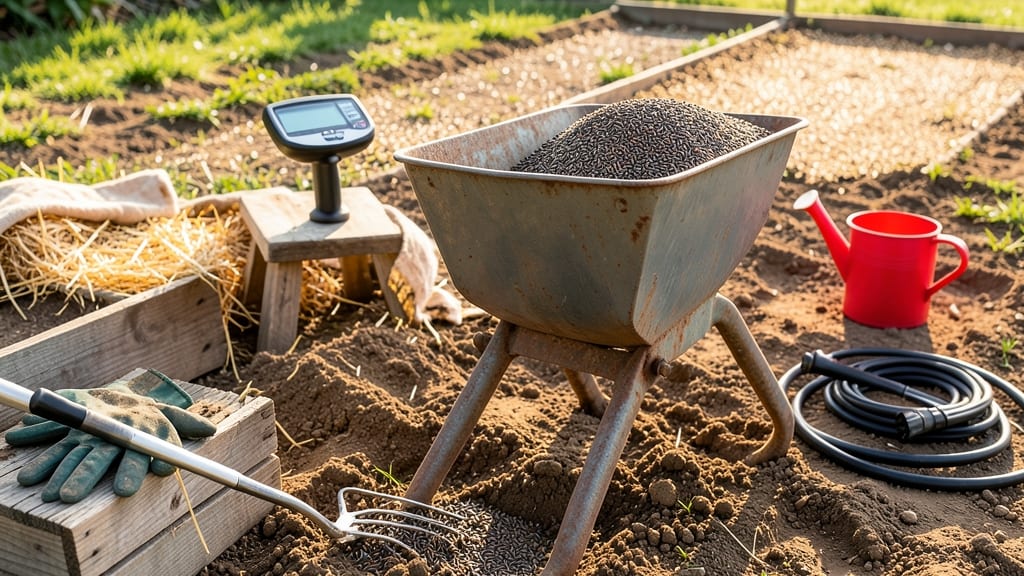
Planting grass seed in Mississippi at the right time is the key to a thick, green lawn that survives the heat and humidity—spring and fall are your best bets, but the exact window depends on your zone.
Mississippi’s long growing season and unpredictable weather can turn a great lawn into a patchy mess if you plant too early or too late. Too soon, and frost or drought will stall growth; too late, and weeds take over before your grass gets a foothold.
In this guide, I’ll break down the ideal soil temperatures for cool-season and warm-season grasses, the zone-specific deadlines for North vs. South Mississippi, and how to prep your soil for success—no guesswork, just lush results.
You’ll also learn how to adjust for Mississippi’s clay-heavy soils, avoid common mistakes (like overwatering in summer), and pick the right grass type for your yard’s sun and shade.
Mississippi grass planting deadlines by zone & soil temperature
Mississippi’s USDA Hardiness Zones 7b-8a create distinct planting windows for grass seed, where soil temperature and seasonal shifts determine success.
In North Mississippi (Zone 7b), like Tupelo, cooler springs and falls favor cool-season grasses, while South Mississippi (Zone 8a), such as Biloxi, leans toward warm-season grasses that thrive in heat. Getting these timelines wrong can lead to patchy germination or seed washout during heavy rains.
For cool-season grasses (tall fescue, ryegrass), aim for soil temperatures between 55°F-65°F, typically in early spring (March-April) or early fall (August-September). Warm-season grasses (Bermuda, Zoysia, St. Augustine) prefer 70°F-75°F soil temps, making late spring (May) or early summer (June) ideal.
Miss timing these windows, and you risk dormant seed or heat stress.
Mississippi’s climate adds complexity: North MS faces earlier frosts (Nov 15), while South MS stays warm longer (Dec 1 frost dates). Coastal areas also contend with hurricane season (June-Nov), which can disrupt planting. Always check your local frost dates and adjust by 2-3 weeks for safer planting.
Soil temperature is your best guide—use a soil thermometer to confirm readiness. Mississippi’s clay-heavy soils retain heat longer, so South MS may plant 1-2 weeks earlier than North MS. For example, Biloxi (Zone 8a) can start warm-season grass in late April, while Tupelo (Zone 7b) waits until mid-May.
If you’re in North Mississippi (Zone 7b), spring planting is your best bet for cool-season grasses. Start tall fescue in mid-March when soil temps hit 55°F, but avoid seeding too early—frost can kill seedlings.
For fall planting, aim for mid-August to give grass 6-8 weeks to establish before first frost (Nov 15).
In South Mississippi (Zone 8a), warm-season grasses dominate, so late spring (May) is ideal for Bermuda grass.
Wait until soil temps reach 70°F+—planting too early can lead to seed rot in humid conditions. Summer planting (June-July) works for Zoysia, but water deeply to combat Mississippi’s drought spells.
One critical mistake Mississippi gardeners make is ignoring soil prep. Before planting, <
Step-by-step grass seed planting timeline for Mississippi’s climate
Mississippi’s humid subtropical climate demands precise timing for grass seed success. Cool-season grasses like tall fescue thrive in spring and fall, while warm-season varieties such as Bermuda grass need late spring planting.
Missing these windows risks poor germination or seedling stress from extreme heat or drought. Let’s break down the exact steps for a lush lawn all year.
Your soil temperature is the #1 factor—aim for 55°F-75°F for optimal germination. In Mississippi, this means March-April for cool-season grasses and late April-May for warm-season types. Fall planting (August-September) works for cool-season grasses too, avoiding summer’s brutal heat. Let’s map out your month-by-month action plan.
Test soil pH (6.0-7.0) and amend with compost. Aerate compacted clay soils in Mississippi’s heavy soil regions. Remove debris and level uneven areas.
Choose tall fescue for cool seasons or Bermuda grass for heat tolerance. Mississippi’s drought-prone areas benefit from drought-resistant varieties like Zoysia.
Spread 1/4 lb seed per 100 sqft evenly. Lightly rake to 1/4-inch depth. Water immediately with gentle mist to activate seeds.
Keep soil consistently moist (1/2 inch per week). Water early morning to prevent fungal growth. Reduce to 2x weekly once germination occurs.
Apply starter fertilizer (10-10-20) at planting. Follow with slow-release nitrogen every 6-8 weeks. Avoid fertilizing during summer droughts.
Set mower to 3 inches for cool-season grasses or 1-2 inches for warm-season types. Never remove more than 1/3 of blade height at once.
Monitor for weeds and pests. Overseed fall for cool-season grasses and early spring for warm-season types. Adjust watering during Mississippi’s hurricane season (June-Nov).
Mississippi’s summer droughts and humidity spikes make timing critical. Planting too late in spring risks heat stress, while fall planting avoids summer’s extreme conditions. For North Mississippi (cooler), focus on March-April planting, while South Mississippi can extend to May for warm-season grasses.
Pro tip: Use a soil thermometer to confirm 60°F+ soil temps before planting. In Mississippi’s clay-heavy soils, consider gypsum amendments to improve drainage. With this timeline, your lawn will establish strong roots and outperform neighbors’ patchy results.