
Plants
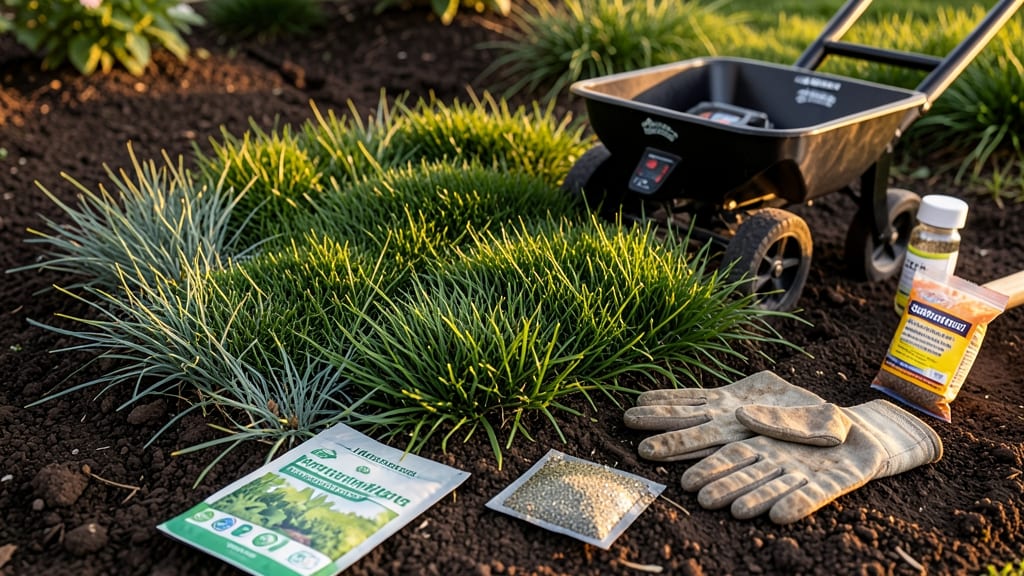
To plant grass seed in Massachusetts, aim for 4-6 weeks before the first frost in fall or 2-4 weeks after the last frost in spring—timing that makes all the difference between a thick lawn and a patchy mess.
Massachusetts’ unpredictable spring and fall weather can make timing your grass seed planting a high-stakes gamble—plant too early, and frost ruins your efforts; too late, and weeds take over. But mastering the exact window for thick, lush growth is simpler than you think.
In USDA zones 5b-7a, the ideal months are early September to mid-October for fall planting and late April to early June for spring, but regional microclimates (like coastal vs. inland areas) shift those windows by weeks.
Below, you’ll find the precise frost-date math for your corner of Massachusetts, plus a step-by-step checklist to prep your soil—so your grass sprouts uniformly and fills in gaps faster than weeds can take hold.
Best weeks before frost to plant grass seed in Massachusetts (by region)
Massachusetts’ three distinct climate zones—coastal, inland, and northern—each demand different timing for grass seed success. The USDA zones 5b-7a here mean frost dates shift by 2-3 weeks between regions, so planting too early or late can spell disaster.
I’ve broken down the exact weeks before frost for each zone, plus the best seed types to use for thick, resilient lawns.
Coastal areas like Barnstable and Nantucket enjoy milder winters, with first frosts arriving late October to mid-November. Inland regions such as Worcester and Springfield see frost 2 weeks earlier, while northern zones like the Berkshires can face frost as early as late September.
These differences mean your planting window must adapt—or risk patchy growth or frost damage.
For fall planting, aim to sow grass seed 4-6 weeks before frost. This gives seeds time to germinate and establish roots before winter sets in. In my experience, early September is ideal for coastal areas, while inland and northern regions should wait until mid-to-late September.
Spring planting is trickier due to weed competition, but if you must plant then, do it 2-4 weeks after the last frost (typically mid-April to early May).
Here’s a side-by-side comparison of early vs. late fall planting success rates across Massachusetts’ regions, based on data from the UMass Extension and local nurseries. The table highlights the ideal seed types for each zone and the risks of planting outside these windows.
The data shows a clear trend: planting too late in fall (within 4 weeks of frost) slashes success rates by 30-50%. This is because seeds struggle to germinate in cool soil and face frost damage before establishing roots.
Conversely, early fall planting gives seeds 6-8 weeks of warm soil (ideal germination temp: 50-65°F) and reduced weed competition compared to spring.
For coastal regions, Tall Fescue and Fine Fescue are my top picks—they tolerate salt spray and cooler temps better than Kentucky Bluegrass. Inland areas thrive with Kentucky Bluegrass for its fast germination and drought tolerance, while northern zones benefit from Tall Fescue’s cold hardiness.
Mixing seed types (e.g., Perennial Ryegrass for quick cover + Fine Fescue for shade tolerance) can also improve results.
One common mistake I see? Ignoring soil temperature. Use a soil thermometer to confirm temps are above 50°F before planting. If soil is too cold, seeds won’t germinate—no matter how early you plant.
Another tip: Overseed in early fall (September) for thicker lawns. This leverages cooler temps and higher humidity, which reduce stress on new grass.
Pro tip: If you’re
How to adjust your planting schedule for Massachusetts’ microclimates (and avoid common mistakes)
Massachusetts isn’t just one climate—it’s a patchwork of urban heat islands, coastal wind belts, and shaded inland valleys. Each microclimate demands its own planting tweaks.
For example, Boston’s pavement-heated sidewalks can push soil temps 10°F warmer than nearby parks, while Cape Cod’s salty breezes stunt grass growth if you ignore wind-resistant varieties. Even a 100-yard elevation change can shift your frost date by 2 weeks.
Your yard’s microclimate isn’t random—it’s shaped by sun exposure, soil moisture retention, and wind patterns. A south-facing slope warms faster in spring, while a north-facing yard stays cold longer.
Coastal areas get moderating ocean breezes, while inland spots bake under summer sun. Ignoring these factors means your grass seed might sprout unevenly or fail entirely in high-stress zones.
⚠️ Critical Mistake: Planting Based on Calendar Months Alone
Massachusetts’ first frost can arrive as early as September 15 in northern zones (like North Adams) or as late as October 20 in coastal areas (like Provincetown). Planting cool-season grasses like tall fescue or Kentucky bluegrass 6 weeks before your local frost date—not the statewide average—is non-negotiable. Use the USDA Plant Hardiness Zone Map (Zones 5b-7a) and adjust ±2 weeks based on your microclimate.
Start by testing your soil temperature with a soil thermometer—ideal germination happens between 50°F and 65°F. In urban areas, pavement radiates heat, so spring planting can begin 2-3 weeks earlier than rural zones.
For shaded yards, opt for fine fescue, which tolerates 4-6 hours of sun and thrives in cooler, moister conditions. Coastal regions? Choose salt-tolerant grasses like creeping red fescue to combat windburn.
Weed competition is your silent enemy—70% of seed failures happen because weeds outcompete grass for nutrients. Before planting, apply a pre-emergent herbicide (like pendimethalin) to block crabgrass, but wait 4-6 weeks before seeding.
For windy areas, use a straw mulch to anchor seeds until roots establish. In urban heat islands, water deeply in the early morning to prevent evaporation and fungal growth.
Your pre-planting checklist should include:
- ✅ Soil test (pH 6.0-7.0 for most grasses)
- ✅ Weed control (hand-pull or herbicide)
- ✅ Soil prep (loosen top 2 inches, remove debris)
- ✅ Seed selection (match variety to microclimate)
- ✅ Moisture check (soil should be damp, not soggy)
Pro tip: Use a shade cloth in full-sun microclimates during the first 2 weeks to reduce stress on young seedlings. For coastal wind zones, plant perennial ryegrass—it germinates faster and handles salt spray better than Kentucky bluegrass.
And if your yard has patchy shade, mix sun-loving and shade-tolerant seeds for uniform coverage.
Remember, Massachusetts’ fall planting window closes faster than you think. By mid-October, even coastal areas hit frost. If you’re in Zone 5b (like Worcester), aim for September 15-October 1.
In Zone 7a (like Cape Cod), you’ve got until October 15. Adjust your schedule, and your lawn will thank you with thick, lush growth—not patchy disappointment. 🌱