
Plants
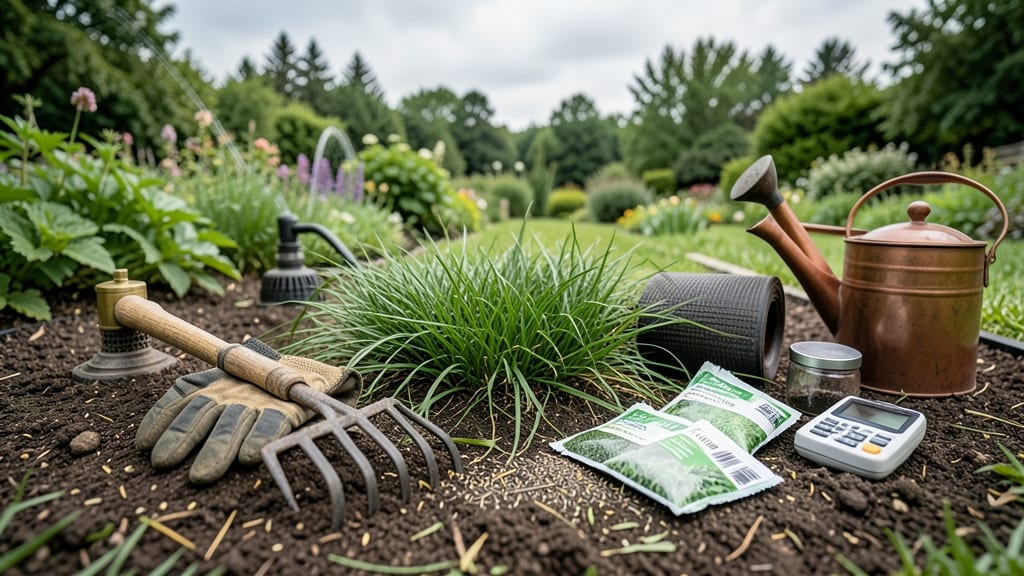
Planting grass seed in Maine at the right time means the difference between a lush, thick lawn and a patchy, weed-infested mess.
Maine’s unpredictable spring and fall weather can make or break your lawn—planting grass seed at the wrong time risks weak growth, weeds, or wasted money. Timing is everything, and cool-season grasses thrive only in specific windows.
If you’ve ever waited too long in spring and watched frost nip your new seedlings, or seeded in late summer only to see the seeds bake in the heat, you know how critical the calendar is.
The best windows for Maine’s 5a-6b zones are early fall (August-September) and late spring (April-May), when soil temperatures hover between 50-65°F.
Below, I’ll walk you through the exact steps to prepare your soil, choose the right seed mix, and keep your new grass watered and protected until it’s firmly established—so you can enjoy a green carpet by next summer.
Best planting windows for Maine’s cool-season grasses (early fall vs. late spring)
Maine’s cool-season grasses like Kentucky bluegrass and tall fescue need precise timing to establish strong roots before winter or summer stress. The two best windows—early fall (September) and late spring (April-May)—offer ideal conditions for germination and growth.
But Maine’s microclimates (coastal vs. inland) and soil temperature thresholds (50–65°F) shift the optimal dates by weeks.
Fall planting gives seeds 6–8 weeks to germinate before frost, while spring planting must avoid late frosts that can kill tender sprouts. Coastal areas (like Portland) often have milder winters, allowing slightly later fall planting than inland regions (like Bangor).
Let’s break down the best strategies for each window.
Soil temperature is your best guide: aim for 50–65°F at 4-inch depth. Use a soil thermometer to check—cool-season grasses won’t germinate well above 75°F or below 40°F. Inland Maine’s USDA Zones 5a–6b mean frost can arrive as early as October 15, while coastal zones may delay frost until November 1.
| Planting Window | Optimal Months | Soil Temp (°F) | Frost Risk | Maine Region |
|---|---|---|---|---|
| Early Fall | Late August–September | 50–65°F | Low (6+ weeks until frost) | Coastal: Sept 15–Oct 1 Inland: Aug 25–Sept 10 |
| Late Spring | April–May | 55–65°F | Moderate (avoid after May 15) | Coastal: April 20–May 10 Inland: April 10–May 5 |
For fall planting, prioritize September—this gives seeds time to germinate before winter dormancy. Inland areas should start by August 25 to avoid early frosts, while coastal zones can extend until October 1. Kentucky bluegrass germinates faster in fall, while tall fescue benefits from cooler temps.
Always test soil moisture: it should feel like a wrung-out sponge before planting.
Spring planting is trickier due to Maine’s late frosts. Wait until after April 15 (coastal) or May 1 (inland) to reduce frost damage. If you plant too early, sprouts may emerge only to be killed by a late April freeze.
Use row covers or a lightweight tarp for extra protection if planting in late April.
Maine’s microclimates create local variations: coastal areas (like Bar Harbor) stay warmer longer, while inland valleys (like Presque Isle) can have 10°F colder nights. Check your last frost date (typically April 15) and count backward: seeds need 6–8 weeks to establish roots before winter.
Pro tip: Seed blends with ryegrass germinate faster in cool soil, making them ideal for late-spring planting. For fall, choose tall fescue or fine fescue mixes—they handle cooler temps better.
Always water lightly after planting to keep seeds moist (0.25 inch daily for 2 weeks), but avoid overwatering, which can wash seeds away.
Regardless of season, soil prep is critical. Test your soil’s pH (6.0–7.0) and amend with lime if needed—Maine’s acidic soils often require adjustments. Till the top 4 inches of soil to loosen compacted clay, a common issue in Maine’s heavy soils.
Level the area to prevent water pooling, which can drown seeds.
After planting, mulch lightly with straw to retain moisture and protect seeds from bird damage. Avoid thick mulch layers—¼ inch max—or you’ll smother sprouts. Monitor for even germination: seeds should sprout in 10–21 days (longer in cooler fall temps).
If germination is uneven, thin seedlings to 1 inch apart for a dense lawn.
Remember: timing beats everything. Plant too early or late, and you’ll face weed competition, dormant seeds, or frost damage. Use Maine’s climate zones as your guide, and always adjust for local microclimates.
With the right window, your cool-season grass will establish deep roots and outlast Maine’s harshest winters.
Step-by-step pre-planting checklist for Maine lawn success
Maine’s acidic soil and unpredictable frost dates demand extra prep before planting grass seed. Skipping these steps can lead to poor germination, weed invasion, or a lawn that struggles to establish. Let’s tackle the essentials to give your grass the best start possible.
First, test your soil’s pH—Maine’s natural acidity often requires lime to reach the ideal 6.0-7.0 range. Use a home test kit or send a sample to the University of Maine Cooperative Extension for precise results. This step alone can make or break your lawn’s health.
Pre-Planting Checklist for Maine Lawns
- 🌱 Test Soil pH – Aim for 6.0-7.0; amend with lime if needed.
- 🌿 Choose Seed Mix – Opt for tall fescue (drought-tolerant) or Kentucky bluegrass (deer-resistant).
- ✂️ Kill Weeds – Apply pre-emergent herbicide 2-4 weeks before planting.
- 🪴 Loosen Soil – Till to 3-4 inches deep to improve drainage and root penetration.
- 🌧️ Watering Plan – Keep soil consistently moist (0.25 inch/day) for 2-3 weeks post-planting.
- 🦌 Deer Protection – Use deer repellent or temporary fencing if local pressure is high.
Next, select the right seed mix for your lawn’s challenges. Tall fescue thrives in Maine’s drought-prone summers and handles foot traffic well, while Kentucky bluegrass spreads quickly but requires more water. For high-traffic areas, consider a 50/50 blend of both.
Don’t overlook weed control timing. Apply a pre-emergent herbicide 2-4 weeks before planting to block weeds from competing with your new grass. Post-emergent herbicides should wait until after your grass reaches 3 inches tall to avoid damage.
After seeding, mulch lightly with straw to retain moisture and protect seeds from drying winds. Water lightly twice daily (early morning and evening) for the first week, then adjust to 0.25 inch/day until germination. Avoid heavy watering, which can wash seeds away or cause disease.
Finally, protect your investment from deer and wildlife. Maine’s rural areas often see deer grazing on new lawns. Use repellents with putrescent egg solids or install temporary fencing until grass reaches 4-6 inches tall. A well-prepared lawn starts here! 🌱