
Plants
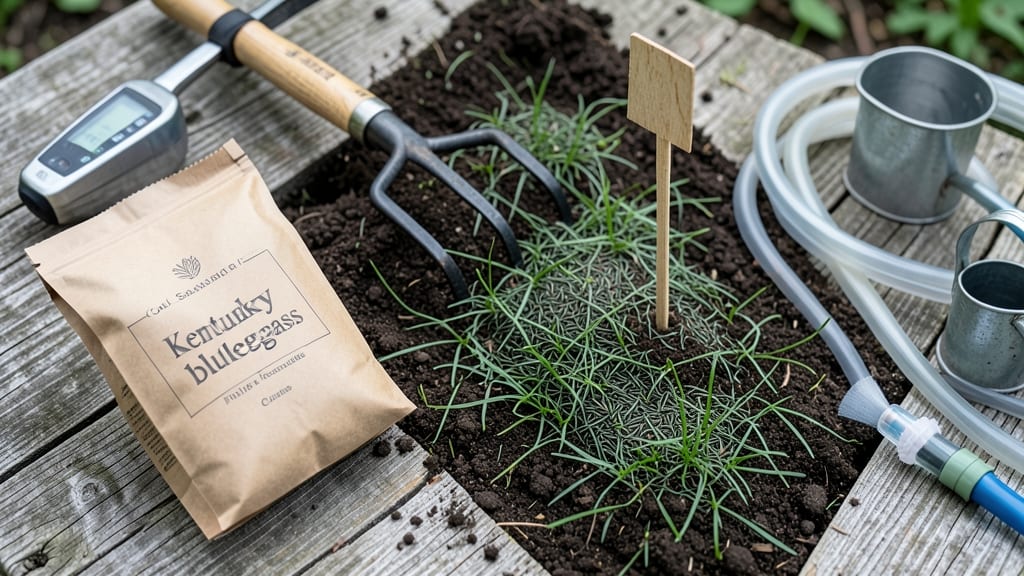
Planting grass seed in Maine this spring at the right time means the difference between a lush lawn and a patchy disappointment — and soil temperature is the secret weapon to fast germination.
Maine’s unpredictable spring weather can turn a perfect lawn into a guessing game—plant grass seed too early, and frost will kill your efforts; too late, and weeds take over. Timing is everything, and soil temperature holds the key to fast, lush germination.
In USDA Zones 5a-6b, your best window is when soil hits 50°F and stays there, usually mid-April to early May. But wait too long, and you risk missing the 3-4 week window before weeds dominate.
Below, I’ll walk you through the exact soil temp check, the best grass types for Maine, and how to prep your yard for fast establishment—no more second-guessing.
Maine spring soil temperature guide: exact weeks to plant grass seed for fast germination
Maine’s spring soil temperatures are the secret weapon for a lush lawn. Unlike warmer climates, our cool-season grasses thrive when soil hits 50°F–65°F. Plant too early, and frost zaps your seedlings; too late, and weeds steal the show.
Let’s break down the exact weeks to plant by region and grass type so you can time it perfectly.
Coastal Maine (like Portland) warms 2–3 weeks earlier than inland areas (e.g., Bangor or Presque Isle). This means your coastal lawn might be ready by late March–early April, while inland gardens should wait until mid-April–May.
Always check your last frost date (April 15–May 15) and plant 2–4 weeks before to avoid frost damage.
Here’s the data-driven timeline you need to plant grass seed in Maine this spring:
| Region | Soil Temp Range | Ideal Planting Window | Grass Type | Germination Time |
|---|---|---|---|---|
| Coastal (Zone 5b-6a) | 50°F–55°F | Late March–Early April | Fine Fescue, Kentucky Bluegrass | 10–14 days |
| Inland (Zone 4a-5a) | 55°F–65°F | Mid-April–Early May | Tall Fescue, Perennial Ryegrass | 14–21 days |
| Northern (Zone 4a) | 60°F–65°F | Late April–May | Hard Fescue, Creeping Red Fescue | 14–28 days |
*Germination time varies with moisture and soil prep.
To test your soil temperature, use a soil thermometer (available at garden centers for ~$10). Bury it 2 inches deep in a shady spot and check readings in the morning.
If it’s below 50°F, wait a few more days—patience prevents wasted seed. Pro tip: Coastal areas warm faster due to ocean influence, while inland spots lag behind.
For cool-season grasses (the best choice for Maine), aim for 50°F–65°F soil temps. These include Kentucky Bluegrass (fastest germinator, 7–10 days) and Fine Fescue (shade-tolerant, 14–21 days). Warm-season grasses like Bermuda (rare in Maine) need 70°F+—skip these unless you’re in a microclimate like South Portland.
Once your soil hits the sweet spot, prep your lawn by raking debris, leveling low spots, and lightly tilling compacted soil. Spread seed evenly (use a broadcast spreader for large areas) and cover with a thin layer of compost to retain moisture.
Water lightly twice daily until germination—keep the soil damp, not soggy.
If you’re still unsure, use the 5-5-5 rule: Plant when the air temp is 50°F+, the soil temp is 50°F+, and you have 5+ weeks until the last frost.
For inland Maine, this usually lands in late April–early May. Coastal gardeners can start 2–3 weeks earlier.
Remember: Maine’s spring weather is unpredictable. Have a backup plan for late frosts (use frost cloth if temps dip below 32°F) and drought (keep a hose handy). With the right timing, your lawn will be lush and green by summer—no more bare patches or weed battles!
🌱
5 Critical mistakes Maine gardeners make when planting grass seed (and how to avoid them)
Planting grass seed in Maine’s spring can be tricky—one wrong move, and your hard work turns into a patchy, weed-infested disappointment. The most common mistakes start with timing and soil prep, both of which can make or break your lawn’s success.
I’ve seen gardeners rush the process after a few warm days, only to watch frost wipe out their seedlings overnight. Or worse, they wait too long, letting weeds steal the show before the grass even gets a chance to sprout.
Another frequent oversight is ignoring soil pH. Maine’s acidic soils often need adjustment—grass thrives in a pH range of 4.8–6.5, but many local soils fall outside this window. Without testing and amending, your seed might struggle to germinate or grow weakly.
Even experienced gardeners skip this step, assuming their soil is "good enough." Spoiler: it’s rarely perfect for grass.
Here’s the kicker—many gardeners also skip seed-to-soil contact, thinking a light sprinkle of seed will do the trick. Without proper raking or pressing, seeds end up sitting on top of the soil, where they dry out or get blown away.
This simple step is often the difference between a lush lawn and a bare spot.
⚠️ CALLOUT WARNING ⚠️ Late-May Frost Risk in Maine Don’t let a false spring fool you—late-May frosts are common in Maine, especially in inland areas like Zone 5a. Planting grass seed after May 10th without checking your local frost forecast can mean seedling death within days.
Use the USDA Plant Hardiness Zone Map and your county’s average last frost date (typically April 15–May 15) as your guide. For coastal areas, you might have a 2-week later window, but inland gardeners should plant by early May to be safe.
Always have a frost cloth on hand for extra protection if temperatures dip below 40°F after planting. 🌡️
To avoid these pitfalls, start with proper pre-planting prep. Here’s what I always do before seeding:
- Test your soil—use a pH test kit (available at garden centers) and adjust with lime (to raise pH) or sulfur (to lower it) if needed.
- Till or aerate the soil to a depth of 2–3 inches, breaking up compacted layers. This ensures roots can penetrate easily.
- Remove weeds—hand-pull or use a pre-emergent herbicide 2 weeks before planting to prevent weed competition.
- Level the area—fill low spots with topsoil and rake until the surface is smooth for even seed distribution.
- Ensure water access—set up a soaker hose or sprinkler system before planting to avoid hauling water later.
Once your soil is prepped, plant at the right time. Aim for when soil temperatures consistently reach 50°F (use a soil thermometer to check in the morning). For cool-season grasses like Kentucky Bluegrass or Fine Fescue—Maine’s top picks—this usually lands in late April to early May. Warm-season grasses (like Bermuda, though rare in Maine) need 70°F+ soil, which is unlikely until June.
After planting, keep seeds moist—not soggy—by watering lightly twice daily for the first week. Once seedlings reach 2–3 inches tall, you can reduce to deep watering every other day.
Avoid walking on new grass until it’s 3–4 inches tall to prevent damage. Patience here pays off—skipping this step leads to uneven growth or bare patches.
Finally, fertilize at the right time. Apply a starter fertilizer with high phosphorus (e.g., 24-0-5) at planting to encourage root growth. Wait 6–8 weeks before adding nitrogen-rich fertilizer to avoid burning tender new grass.
And remember: fall is the best time to overseed in Maine—cool temps and frequent rain make it easier to establish a thick lawn.
🌱