
Plants
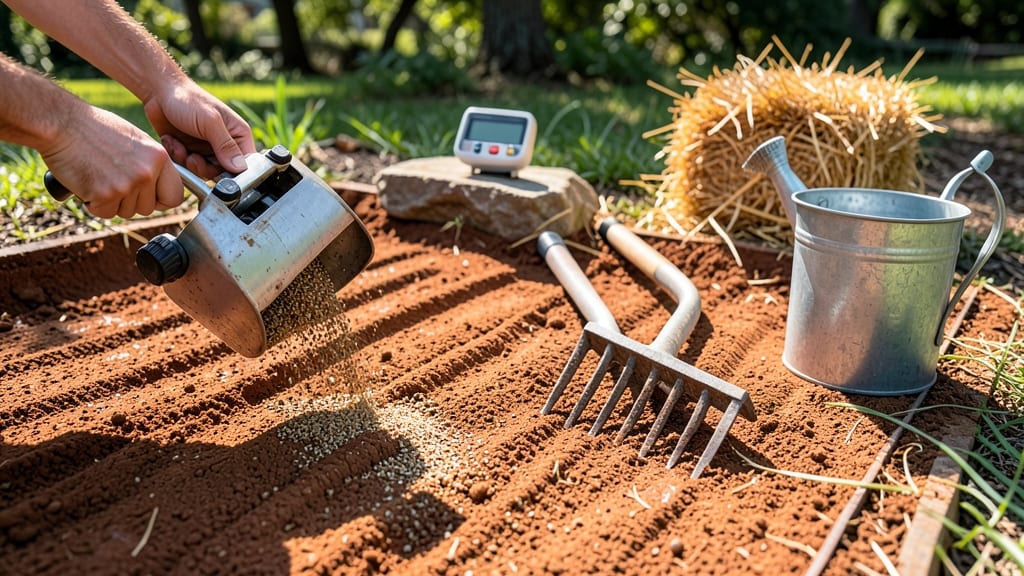
Planting grass seed in Louisiana works best during late summer to early fall when soil temperatures drop but humidity stays high enough for fast germination.
Louisiana’s sweltering summers and humid climate can turn grass seed into a gamble—unless you plant it during the perfect window when moisture, temperatures, and rainfall align for rapid germination.
Most homeowners in zones 8a-9b miss the ideal 6-week window between early September and late October, leaving their lawns struggling through the heat or winter.
Below, I break down the exact months to plant cool-season and warm-season grasses, how to prep soil for Louisiana’s humidity, and the fastest ways to establish a thick, weed-resistant lawn before hurricane season hits.
Best months to plant grass seed in Louisiana’s humid climate
Louisiana’s humid summers and unpredictable weather make timing critical for successful grass seed germination. The key window is early September to late October, when soil temperatures hover between 65°F and 80°F—perfect for warm-season grasses like Bermuda, St. Augustine, and Zoysia.
This 6-week period balances humidity, rainfall, and cooling temperatures to give seeds the best chance to establish before winter dormancy.
Northern Louisiana (USDA Zones 8a-8b) has slightly cooler nights, allowing you to push planting into mid-October safely. Meanwhile, Southern Louisiana (Zones 9a-9b) should aim for early September to avoid hurricane season disruptions. Missing this window risks fungal growth from excess moisture or dormancy from early cold snaps.
Why this window works: September-October brings consistent rainfall (1-2 inches weekly) without the intense heat of summer. Morning dew and afternoon showers keep seeds hydrated while reducing evaporation stress. The soil stays warm enough for rapid root development but cools enough to prevent seed desiccation.
Here’s your region-specific guide to avoid common mistakes:
North Louisiana (Shreveport, Monroe):
- Best planting: Late August to mid-October
- Soil temp goal: 70°F+ (use a soil thermometer)
- Watch for: Early frosts after October 15
- Grass types: Tall Fescue, Bermuda (hardier varieties)
South Louisiana (New Orleans, Lafayette):
- Best planting: Early September to early October
- Soil temp goal: 75°F+ (humidity extends warm season)
- Watch for: Hurricane season (delay if storms forecasted)
- Grass types: St. Augustine, Centipede (shade-tolerant options)
| Grass Type | Optimal Planting Window | Soil Temp Requirement | Key Considerations |
|---|---|---|---|
| Bermuda | Early Sept - Mid-Oct | 65°F+ | Fastest germination; drought-tolerant |
| St. Augustine | Late Aug - Early Oct | 70°F+ | Needs shade; prone to chinch bugs |
| Zoysia | Sept - Oct | 75°F+ | Slow to establish; heat-resistant |
| Tall Fescue | Late Aug - Mid-Oct | 55°F+ | Cool-season; needs winter protection |
For fastest results, plant when afternoon temperatures drop below 85°F. Use a soil thermometer to confirm—seeds need consistent warmth but won’t germinate if soil exceeds 90°F.
In North Louisiana, aim for September 15 to October 15; in South Louisiana, September 1-15 is ideal to avoid hurricane risks.
Pro tip: Pre-treat soil with fungicide (like Propiconazole) 1 week before planting to combat Louisiana’s fungal threats. Spread starter fertilizer (high in phosphorus) to encourage root growth. Then, water lightly daily until seeds sprout (usually 7-14 days for Bermuda, 21 days for St. Augustine).
If you miss the September-October window, consider late winter planting (February) for cool-season grasses like Tall Fescue. But warm-season grasses planted after October 30 risk poor establishment before winter dormancy. For hurricane-prone areas, delay until after October 15 to avoid storm damage to seedlings.
Remember: Weed control is critical before planting. Apply pre-emergent herbicide 2 weeks prior to prevent crabgrass and nutsedge from outcompeting your new grass. Once seeds sprout, mow at 3 inches high to encourage dense growth and shade out weeds naturally.
Your Louisiana lawn’s success hinges on this 6-week window. By aligning your planting with cooling temps, natural rainfall, and regional adjustments
How Louisiana’s humidity affects grass seed germination (and how to beat it)
Louisiana’s humidity isn’t just sticky—it’s a double-edged sword for grass seed. While consistent moisture speeds up germination, excessive dampness creates the perfect storm for fungal diseases like damping-off.
Seeds suffocate when soil stays soggy, and mold thrives in the 90%+ humidity common after rain. The key? Balancing moisture without drowning your seeds.
I’ve seen St. Augustine grass seeds rot in 48 hours if planted after heavy rain, while Bermuda grass thrives with precise watering. The difference? Preparation. Pre-treating soil with fungicide granules (like Mycorrhizal inoculants) and adjusting your irrigation schedule can turn Louisiana’s humidity from enemy to ally.
🌱 Humidity-Proof Grass Seed Planting
✅ DO:
- Pre-treat soil with fungicide (e.g., BioSafe)
- Water early morning (before 10 AM) to reduce evaporation
- Use shade cloth (30-50%) for shade-tolerant grasses
- Choose fast-germinating varieties (e.g., ‘Tifway’ Bermuda)
❌ DON’T:
- Plant after heavy rain (soil stays waterlogged)
- Water at night (promotes fungal growth)
- Skip soil aeration (compacted soil traps moisture)
- Use slow-draining soil (e.g., clay-heavy areas)
For sun-loving grasses (Bermuda, Zoysia), aim for 6+ hours of sun. Shade-tolerant (St. Augustine) needs 3-6 hours.
Your irrigation schedule is the game-changer. Louisiana’s afternoon humidity (often 80-90%) means watering at 6 AM lets seeds absorb moisture before the heat sets in. For the first 2 weeks, water lightly but daily—just enough to keep the top ¼ inch of soil damp.
Think of it like a spritz bottle: gentle enough to avoid displacing seeds but consistent enough to prevent drying.
Sun-loving grasses like Bermuda and Zoysia need full sun (6+ hours), but their seeds can handle drier conditions once established. Shade-tolerant varieties like St. Augustine demand constant moisture, but their roots rot faster in humidity.
The fix? Raise soil beds in shady spots to improve drainage, and mulch with pine straw to regulate moisture without smothering seeds.
One mistake I’ve seen new gardeners make is assuming more water = better germination. In reality, overwatering in Louisiana’s heat creates a steam bath for seeds. Instead, aim for ½ inch of water per week, split into 2-3 sessions.
Use a rain gauge or tuna can to measure—your sprinkler might be overdoing it!
Pro tip: If your lawn has bare patches after humidity stress, overseed in late September when temps drop to 75-85°F. This 6-week window gives seeds time to germinate before winter slows growth.
For fastest results, mix mycorrhizal fungi into your seed—it boosts root growth by 30% in humid climates.