
Plants
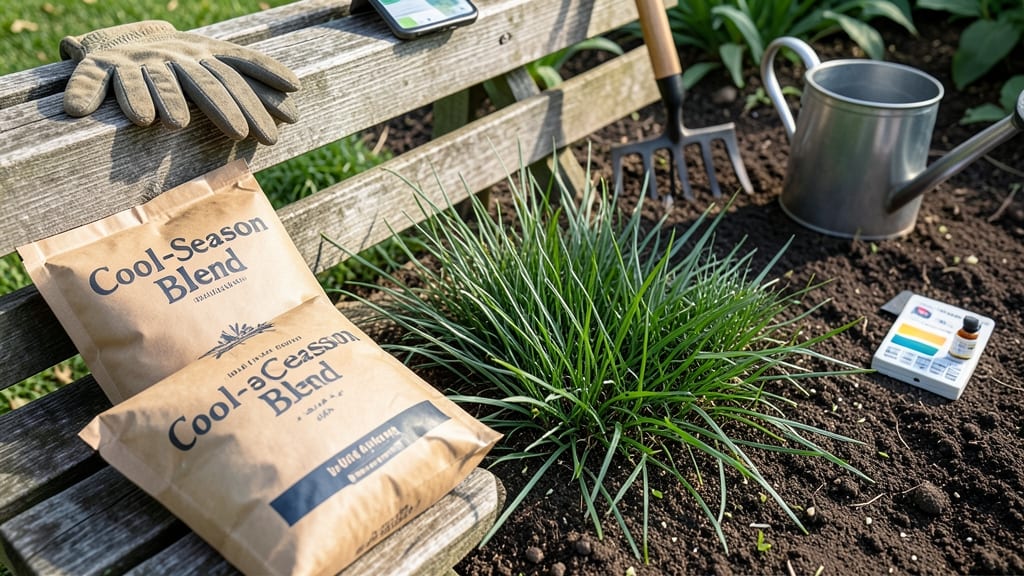
Planting grass seed in Idaho at the right time means the difference between a lush lawn and a patchy disappointment—especially when mountain frost dates shift faster than you think.
You’ve prepped the soil, picked the perfect seed, and even watered it in, only to watch your hard work fade with the first late frost. That’s why timing isn’t just about months—it’s about soil temperatures, USDA zones, and knowing whether your yard is more valley or mountain.
In Idaho’s zones 4-7, early spring (March-April) and early fall (August-September) are your best bets for cool-season grasses like Kentucky bluegrass, but warm-season types need a different approach. Below, I’ll break down the exact frost-free windows, soil prep secrets, and how to adjust for Idaho’s wild weather swings.
Skip the guesswork: learn how to plant 🌱 grass seed so it takes root before the next freeze—or drought—hits. Your lawn will thank you next summer.
Idaho grass planting calendar: best months by USDA hardiness zones 3-7
Idaho’s diverse climate—from the cold Zone 3 mountains to the warmer Zone 7 valleys—means your grass planting timing must adapt. Planting too early risks frost damage, while waiting too long can lead to summer drought stress.
The key is understanding your USDA zone and following the frost-free window for optimal seed germination.
For cool-season grasses (like Kentucky Bluegrass and Fescue), the best times are early spring (March-April) or early fall (August-September). Warm-season grasses (like Buffalo Grass) thrive when planted in late spring (May-June). Let’s break down the exact months for each zone to maximize your success.
Here’s how Idaho’s three main zones differ in their planting windows:
Spring planting in Idaho should happen 4-6 weeks before your last frost date. For example, in Zone 3, aim for late April—this gives seeds time to germinate before summer heat arrives.
In Zone 7, you can start as early as March, but avoid planting when soil temps drop below 50°F, as germination slows dramatically.
Fall planting offers another opportunity, especially in Zone 4-7. Planting in August-September allows seeds to establish roots before winter dormancy. This method reduces spring competition from weeds and gives grass a head start. In Zone 3, stick to late August to avoid early frosts.
Timing matters because grass seed germination requires consistent moisture and warmth. If you plant too early, seeds may rot in cold, wet soil. Too late, and summer drought or heat stress can kill young seedlings. Always check your local frost dates and soil temperature—aim for 50-65°F for best results.
For mountain regions (like Zone 3), consider using winter-hardy grass varieties like Tall Fescue, which tolerates colder soils. In valley areas (like Zone 7), Kentucky Bluegrass thrives with its earlier planting window. Adjust your seed choice based on your microclimate for the best results.
Pro tip: Use a soil thermometer to confirm temperatures before planting. If soil temps are below 50°F, wait a few weeks—your patience will pay off with a thicker lawn. Watering deeply twice daily for the first two weeks after planting keeps seeds moist without over-saturating the soil.
Remember, Idaho’s weather can be unpredictable. If you’re in a transition zone (like parts of Zone 4 near mountains), err on the side of later planting to avoid frost. With the right timing, you’ll have a lush, resilient lawn that outlasts Idaho’s harsh winters.
✂️
Optimal soil temperature and weather conditions for grass seed germination in Idaho
Getting your grass seed germination right in Idaho depends on two critical factors: soil temperature and weather conditions. Most grass seeds need soil temps between 50-65°F to sprout consistently. If the soil is too cold, seeds may rot; if too hot, they’ll dry out before germinating.
Idaho’s microclimates—like mountain valleys vs. lowland areas—add another layer of complexity, so knowing your local conditions is key.
Moisture is just as important as temperature. Grass seeds require consistent soil moisture to germinate, but overwatering can suffocate them. Aim for 1 inch of water per week during germination, either from rainfall or irrigation.
In Idaho’s dry summers, this often means supplemental watering, while spring rains may require monitoring to avoid soggy soil. Morning watering is ideal to reduce evaporation and fungal risks.
| Condition | Idaho-Specific Requirement | Microclimate Adjustments |
|---|---|---|
| Soil Temperature | 50-65°F (ideal for germination) | Mountain areas: Wait until soil warms to 55°F; valleys may hit ideal temps earlier. |
| Moisture Level | 1 inch per week (consistent) | Valleys: Monitor for drought stress; mountains: Watch for erosion from heavy rain. |
| Weather Risks | Frost (below 32°F) or extreme heat (above 85°F) | North Idaho (Zone 3): Avoid planting until after May 1; South Idaho (Zone 7): Late August is safer. |
| Sunlight | 6+ hours of direct sun daily | Shaded areas (e.g., under trees) may need shade-tolerant varieties like fine fescue. |
Idaho’s mountain vs. valley microclimates create big differences in planting success. In valley regions like Boise or Twin Falls, soil warms faster in spring, allowing earlier planting (as early as March for cool-season grasses).
Meanwhile, mountain areas like Coeur d’Alene or Sandpoint may need to wait until late April or May to avoid frost damage. Use a soil thermometer ($10 at garden centers) to check temps at 2-inch depth—this is the critical zone for seed germination.
Watch for late spring frosts, which can still hit Idaho’s higher elevations in May. If you’re planting in early fall (August-September), aim to finish at least 6-8 weeks before the first frost (typically mid-October in most areas).
This gives seedlings time to establish roots before winter dormancy. In Zone 3 (northern Idaho), extend this window to 10 weeks to account for earlier frosts.
Another Idaho-specific challenge is drought stress, especially in southern regions. If you’re planting in late summer, prioritize drought-tolerant varieties like tall fescue or Buffalo grass, and mulch newly seeded areas with straw to retain moisture.
Avoid planting in peak summer heat (June-July) unless you’re using shade cloth to protect seeds from drying out.
Finally, don’t overlook wind exposure, which can dry out seeds in open areas. If your lawn is windy, consider a windbreak (like temporary fencing or existing shrubs) until seedlings are 2-3 inches tall.
With the right soil temps, moisture balance, and weather awareness, your Idaho grass seed will germinate reliably—even in the state’s most unpredictable conditions. 🌱