
Plants
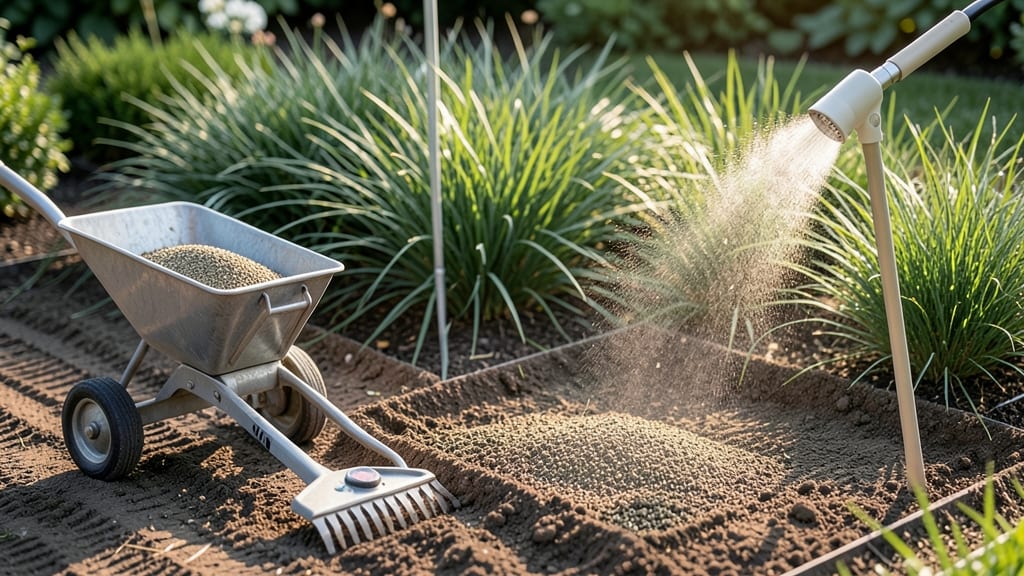
Planting grass seed in Denver at the right time means the difference between a lush, green lawn and a patchy, high-maintenance mess.
Denver’s unpredictable weather can turn a perfect lawn into a frustrating gamble—but planting grass seed at the right time ensures thick, resilient turf that survives the Front Range’s extremes.
Cool-season grasses like Kentucky bluegrass and fescue thrive when soil temperatures hover between 50°F and 65°F, which in Denver typically means late March through early April or late September to early October.
Below, I’ll break down the best weeks to plant based on soil temps, how Denver’s microclimates (from downtown to the foothills) shift those windows, and the five mistakes that kill even the best-laid plans.
Best weeks to plant grass seed in Denver based on soil temperature
Denver’s high-altitude climate and unpredictable frost dates make timing critical for grass seed success. Cool-season grasses like Kentucky bluegrass and fescue thrive when soil temps hover between 50°F and 65°F, while warm-season varieties like Bermuda and zoysia need 70°F+ soil.
Missing these windows often leads to weak germination or winter kill.
Soil temperature is more reliable than air temperature for predicting germination. In Denver’s USDA Zone 6a, last frost typically arrives around April 15, but soil warms slower at higher elevations. Use a soil thermometer (available at garden centers) to confirm readiness—don’t guess!
Avoid planting when daytime temps exceed 85°F or when frost is forecast within 2 weeks. Both scenarios stress young grass roots. Denver’s early fall (September-October) offers a second chance for cool-season grasses, as soil remains warm enough for germination while nights cool for root establishment.
Pro Tip: Test your soil’s pH and moisture 1-2 weeks before planting. Denver’s alkaline soil often needs sulfur amendments (pH 6.0-7.0 ideal) and organic matter to improve water retention. Skip this step, and you’ll struggle with patchy growth regardless of timing.
For cool-season grasses, aim to plant between March 15 and April 15. This window ensures seeds germinate before summer heat stress and establish roots before winter dormancy. If you miss spring, September 1–30 is your second chance—just confirm soil temps stay above 55°F for consistent germination.
Warm-season grasses like Bermuda demand patience. Don’t rush planting in May—wait until late May or June when soil temperatures consistently exceed 70°F. Early planting risks frost damage, while late planting may not give roots enough time to establish before summer dormancy sets in.
Denver’s high-altitude dryness requires extra attention to watering schedules. After planting, keep soil consistently moist (like a damp sponge) for the first 3–4 weeks. Use a rain gauge or tuna can to measure ¼-inch of water weekly. Overwatering causes runoff, while underwatering leads to patchy germination.
Mulch newly seeded areas with straw (not hay) to retain moisture and regulate soil temperature. Apply a light layer (¼-inch) immediately after planting. This is especially critical in Denver’s windy conditions, which can dry out soil and blow seeds away.
Monitor your lawn for weed competition—especially in spring. Pre-emergent herbicides can be applied 2 weeks after seeding to prevent crabgrass, but avoid post-emergent treatments until grass reaches 3 inches tall to protect young seedlings.
Remember: Soil temperature > air temperature for predicting germination. In Denver, morning soil temps can be 10–15°F cooler than afternoon air temps. Check temps in the late afternoon (3–4 PM) for the most accurate reading.
🌱 For a thicker lawn, consider overseeding in late summer (August) with fine fescue. This fills gaps left by summer stress and establishes roots before winter.
How Denver’s microclimates affect grass seed germination timing
Denver’s diverse geography creates three distinct planting zones—urban Denver, the foothills, and the high plains—each with unique frost patterns and soil conditions. These microclimates can shift your ideal planting window by 4-6 weeks, so knowing your zone is critical for success.
The urban Denver metro area (elevation 5,280 ft) typically sees last frosts around April 15 and first frosts near October 15. Here, cool-season grasses like tall fescue germinate fastest when soil temps hit 55°F+, usually by mid-March.
In the foothills (6,000-8,000 ft), cooler temps delay germination. Planting should start 2-3 weeks later than downtown, with ideal windows shifting to late March/early April and late September. The high plains (8,000+ ft) demand even more patience—wait until soil reaches 60°F+, often May or early June.
- Warmer soil warms up faster
- Longer growing season
- Easier water access
- Higher evaporation rates
- More weed competition
- Alkaline soil challenges
- Cooler temps reduce weeds
- Better moisture retention
- Natural windbreaks
- Later frost dates
- Slower germination
- Limited water sources
- Less pest pressure
- Natural drought resistance
- Cooler growing season
- Very short growing season
- Extreme temperature swings
- Limited grass variety options
For urban Denver, aim to plant cool-season grasses between March 15-April 15 and September 15-October 15. The city’s dry air means daily watering for the first 2 weeks is non-negotiable to prevent seed desiccation.
In the foothills, shift your timing 2 weeks later—target April 1-May 1 for spring and October 1-October 31 for fall. These areas benefit from mulching to retain moisture, as evaporation is 20% higher than downtown.
High plains gardeners should wait until soil temps exceed 60°F, often May 15-June 15, and focus on drought-tolerant varieties like fine fescue. Water deeply 2-3 times weekly rather than daily to encourage deep root growth.
Regardless of zone, always test your soil pH—Denver’s alkaline conditions often require sulfur amendments for optimal grass growth. A simple $20 soil test kit from your local nursery can save you months of frustration.