
Plants
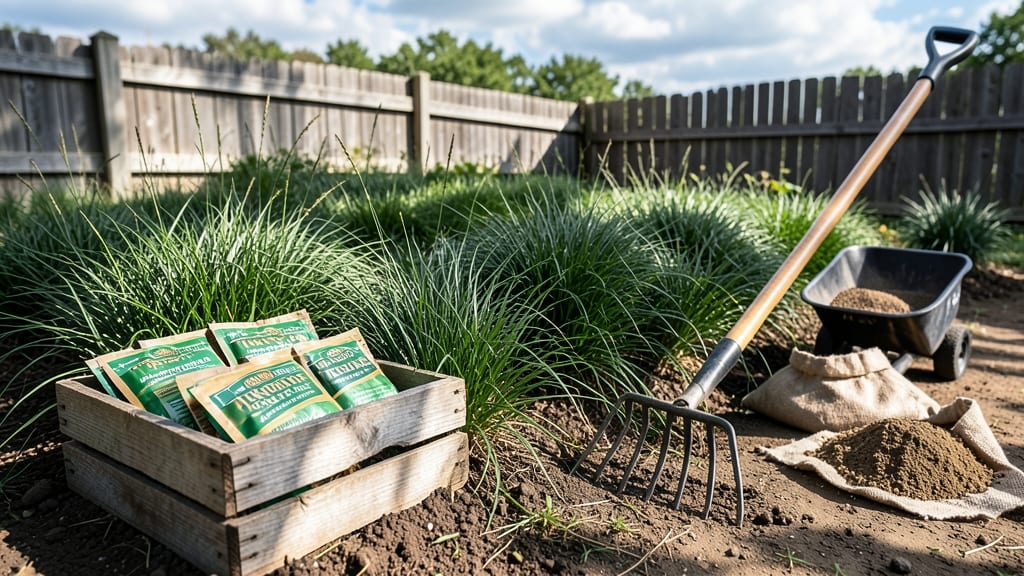
Planting grass seed in Arkansas at the right time means the difference between a lush, green lawn and a battle against weeds or heat stress before your 🌱 even sprouts.
Arkansas’s unpredictable weather—from sweltering summers to early frosts—can make or break your lawn. Plant grass seed at the wrong time, and you’ll battle heat stress or weed invasions before your grass even takes root.
If you’re aiming for a cool-season lawn, the ideal window is early spring (March–April) or early fall (August–September), when soil temperatures hover around 55°F and moisture stays consistent.
But timing isn’t one-size-fits-all—northern Arkansas (Zone 7a) has a shorter growing season than southern Arkansas (Zone 8b), where summer heat can still allow for late-season planting.
In this guide, I’ll break down the best months by region, share heat-tolerance tips for summer planting, and help you pick the right grass type for your Arkansas yard. Let’s get that lawn off to the right start!
Best Arkansas grass planting windows: cool season deadlines by region
Arkansas’s three distinct climate zones—Northern, Central, and Southern—each demand different timing for cool-season grass seed like tall fescue and Kentucky bluegrass. Plant too early, and frost will kill seedlings.
Too late, and summer heat will bake them before germination. The key? Soil temperatures between 55°F–75°F and avoiding extreme heat or frost risks.
Northern Arkansas (Zones 7a–7b) has the earliest frost risks, while Southern Arkansas (Zone 8a) can stretch planting into early October. Central Arkansas (Zones 7b–8a) sits in the middle, balancing both extremes. Miss the window, and you’ll face weed competition or seed desiccation from Arkansas’s infamous summer sun.
Here’s your region-specific planting timeline for cool-season grasses, including heat tolerance thresholds and frost risk warnings to maximize success:
| Region | Best Planting Window | Soil Temp Threshold | Last Frost Risk | Heat Tolerance Tip |
|---|---|---|---|---|
| Northern Arkansas (7a–7b) | Early Spring: March 15–April 15 Early Fall: August 15–September 15 |
55°F–65°F | Late frost possible until April 10 | Use tall fescue blends for heat resilience after germination. |
| Central Arkansas (7b–8a) | Early Spring: March 1–April 30 Early Fall: August 1–October 1 |
55°F–70°F | Frost risk drops after April 1 | Kentucky bluegrass thrives here—plant before 90°F heat strikes. |
| Southern Arkansas (8a) | Early Spring: February 28–April 15 Early Fall: August 15–October 15 |
60°F–75°F | Minimal frost risk after March 1 | Prioritize shade-tolerant fescue for hotter microclimates. |
For Northern Arkansas, I recommend late March to mid-April for spring planting, as soil warms but frost risks recede. If you’re in Central Arkansas, you’ve got a longer window—March through April—but avoid planting after May 1 when soil temps exceed 80°F.
Southern gardeners can push it to early October, but stop by October 15 to avoid early winter drought.
Pro tip: Use a soil thermometer to confirm temps. If readings hit 80°F+, delay planting until evening soil cools. Morning shade is your friend—plant on cloudy days or late afternoons to reduce seed stress.
Cool-season grasses like tall fescue and ryegrass need 6–8 weeks to establish before summer heat arrives. If you plant in late August, aim for full germination by September 15 to avoid fall drought.
Water deeply 2x daily for the first 2 weeks to keep soil moist but not soggy.
Watch for weed competition in Southern Arkansas’s longer growing season. Apply a pre-emergent herbicide 2 weeks before planting to block crabgrass and clover. In Northern Arkansas, focus on post-emergent control after grass reaches 3 inches tall.
Remember: Arkansas’s humidity and sudden storms can wash away fresh seed. Use a starter fertilizer with high phosphorus (e.g., 10-20-10) to encourage root growth. For shady lawns, mix in fine fescue—it tolerates 2–4 hours of sun daily.
Timing isn’t just about months—it’s about microclimates. A north-facing slope in Central Arkansas might stay cool enough for May planting, while a south-facing yard could bake seeds by April 15. Adjust your schedule based on your yard’s sun exposure.
Finally, mark your calendar for August 1—this is your last chance to overseed before summer heat peaks. By September 15, soil temps drop enough for fall germination, but don’t wait past October 1 in Northern Arkansas or you’ll risk winter dormancy before roots establish.
Heat tolerance tips: how to plant grass seed in Arkansas’s summer without burning it
Summer in Arkansas isn’t the first choice for planting grass seed—temperatures often exceed 90°F, and seeds can bake before sprouting. But with the right strategies, you can still overseed successfully during June through August without risking seed failure.
The key lies in timing, shade, and moisture management, all tailored to your lawn’s specific conditions.
Most gardeners avoid summer planting, but late summer (August) offers a narrow window where soil stays warm enough for germination while afternoon heat begins to ease. If you’re determined to overseed earlier, focus on shade-tolerant varieties and early morning planting to outsmart Arkansas’s relentless sun.
Let’s break down how to make it work without turning your seed into crispy lawn confetti.
Never plant grass seed in Arkansas between 10 AM and 4 PM—this is when soil temperatures can exceed 95°F (35°C), causing seeds to dry out within minutes.
Even shade won’t fully protect them. If you must plant midday, pre-soak seeds for 24 hours and use a thick mulch layer (1-2 inches) to retain moisture.
For summer overseeding, shade-tolerant grass varieties like fine fescue or creeping red fescue are your best allies. These grasses thrive in partial shade (2-6 hours of sun daily) and handle Arkansas’s humidity better than sun-loving types.
If your lawn has tree canopies or north-facing areas, these spots are prime for summer seed sowing. Just remember: even shade grasses need consistent moisture to germinate.
Moisture is the #1 challenge during summer planting. Arkansas’s heat causes soil to dry out rapidly, so water deeply twice daily—once in the early morning (5-7 AM) and again in the late evening (6-8 PM).
Use a lightweight mulch, like straw, to lock in humidity. Avoid sprinklers, which can disrupt seed-to-soil contact and promote fungal growth. A soaker hose placed gently over the seeded area works best.
Weed competition is another summer sabotage. Before planting, apply a pre-emergent herbicide to block weeds, then hand-pull any existing weeds within 24 hours. Summer weeds like crabgrass and nutsedge grow aggressively—don’t let them steal nutrients from your new grass.
If weeds sprout after planting, spot-treat with vinegar (5% acetic acid) or a boiling water solution to avoid damaging tender seedlings.
Finally, avoid fertilizing during summer overseeding. Fertilizer accelerates growth, which stresses young grass in 90°F+ heat. Instead, use a light compost top-dressing (¼ inch thick) to feed soil microbes and improve moisture retention.
Once your grass reaches 3-4 inches tall (usually 6-8 weeks post-planting), you can apply a slow-release, low-nitrogen fertilizer to encourage root development for fall.