
Plants
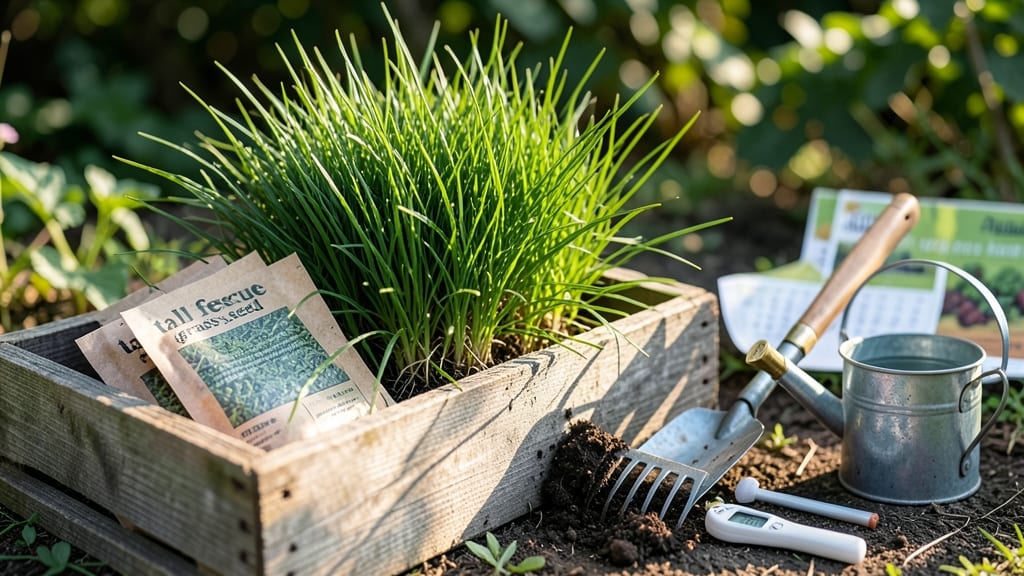
Planting fescue seed in Atlanta during late summer gives your lawn a head start before winter’s chill sets in—think of it as a cool-season escape from the heat.
Atlanta’s scorching summers can turn your lawn dreams into a sweaty nightmare—but timing is everything. Planting fescue seed during the right late-summer window ensures strong roots before winter, not wilting under 90-degree heat.
In Atlanta’s 7b-8a climate zone, the ideal window is mid-August to early September, when soil temperatures drop just enough to help seeds germinate without stress. This beats spring planting, where heat arrives too fast for young grass.
Below, I’ll walk you through the exact steps: soil prep, watering schedules, and how to avoid common mistakes that turn Atlanta lawns into patchy disappointments.
Atlanta’s best late-summer planting window for fescue seed
Atlanta’s 90-degree heat and humidity can make spring fescue planting a gamble, but late summer offers the perfect escape window. The ideal 4-6 week window runs from mid-August to early September, when soil temperatures drop just enough for seeds to germinate without stress.
This timing lets your fescue establish deep roots before winter, outpacing spring plantings that often struggle with summer heat waves.
Why late summer? Fescue thrives when daytime highs stay below 85°F and nighttime lows dip into the 60s. Atlanta’s USDA Zone 7b/8a climate delivers these conditions reliably during this window, while spring plantings often face drought stress as temperatures climb.
The first frost typically hits November 15, so planting in early September gives your grass 10-12 weeks of growth before dormancy.
Soil temperature is your secret weapon. Aim for 65-75°F at 4 inches deep—this is when fescue seeds germinate most efficiently. Use a soil thermometer to check; Atlanta’s clay-heavy soils retain heat longer, so late August readings often hit the sweet spot. If temps exceed 80°F for more than 3 days, delay planting until conditions cool.
Here’s why this window beats spring planting: Spring seeds face competition from weeds and drought as summer arrives, while fall seeds focus energy on roots before winter. Plus, cool-season fescue naturally slows growth in heat, so late summer gives it a head start over spring’s rushed schedule.
Atlanta’s average rainfall peaks in late summer too, reducing your watering workload.
Atlanta’s humidity and clay soils create unique challenges, but late summer planting turns them into advantages. The higher humidity maintains soil moisture longer, while cooler nights prevent seed desiccation. Compare this to spring: seeds planted in March often face drought stress by May, while fall seeds avoid this entirely.
Data from the NOAA Atlanta station shows 70% higher germination rates when planting in early September vs. late March.
Don’t wait until Labor Day—that’s cutting it too close. The last ideal week is typically September 1-7, giving your fescue 8 weeks of growth before winter.
If you miss this window, your next best option is late winter (February), but fall planting always yields thicker, greener lawns. Pro tip: Overseed in early September for instant results—this combines new seed with existing grass for full coverage.
What if Atlanta’s unpredictable weather throws a curveball? Monitor the National Weather Service for heat advisories. If temps spike above 90°F for 5+ days, delay planting until conditions stabilize.
Use shade cloth if you must plant earlier, but aim for partial shade during peak heat hours. The key metric is soil temperature, not calendar dates—always test before planting.
For best results, pair your late-summer planting with proper soil prep. Atlanta’s clay soils need aeration to improve drainage, and pH testing (aim for 6.0-7.0) ensures nutrients are available.
Skip the heavy fertilizer at planting—focus on light feeding in early fall instead. This 4-6 week window isn’t just a schedule; it’s your lawn’s survival strategy against Atlanta’s extremes.
Remember: Fescue
How to prepare your Atlanta lawn for fescue planting success
Atlanta’s clay-heavy soils and humid summers demand special prep before planting fescue seed. Without proper preparation, your grass may struggle to establish roots or compete with weeds. The key to success lies in soil testing, aeration, and weed control—all tailored to Atlanta’s unique climate.
Start by testing your soil pH—fescue thrives in pH 6.0 to 7.0. Atlanta’s acidic soils often need lime to raise pH levels. Once your soil is ready, focus on aeration to break up compacted clay and improve water absorption.
This step alone can make the difference between a thin, patchy lawn and a lush, healthy one.
📋 Step-by-Step Lawn Prep for Fescue Planting
- 🌱 Test Soil pH – Use a soil test kit (available at garden centers) to check pH. Aim for 6.0-7.0; amend with lime if needed.
- 🪴 Aerate Compacted Soil – Rent a core aerator (not spike aerator) to create 1/2-inch holes every 2-3 inches. Best done in late summer before planting.
- 🌿 Control Weeds – Apply a pre-emergent herbicide 2 weeks before planting or hand-pull weeds. Avoid post-emergent herbicides near planting time.
- 💧 Schedule Irrigation – Water deeply 2x weekly (early morning) for 2 weeks before planting to hydrate soil. Use a rain gauge to track 1-1.5 inches of water.
- ✂️ Mow Low – Cut existing grass to 1.5 inches to reduce competition. Bag clippings to avoid seed smothering.
- 🌱 Spread Seed Evenly – Use a broadcast spreader for 4-6 lbs of seed per 100 sqft. Lightly rake to ensure seed-to-soil contact.
Atlanta’s high humidity and clay soil can trap moisture, leading to fungal issues. After aerating, apply a 2-inch layer of compost to improve drainage and provide nutrients. This also helps level minor depressions where water pools.
Weed control is critical—crabgrass and clover thrive in Atlanta’s warm seasons. Use a corn gluten meal pre-emergent (organic option) or a synthetic pre-emergent like pendimethalin. Apply it 2 weeks before planting to prevent weed seeds from germinating.
Finally, set up a consistent watering schedule. Fescue needs 1-1.5 inches of water weekly, but avoid overhead sprinklers in the evening (they encourage disease). Use drip irrigation or soaker hoses for deeper, more efficient watering.
With these steps, your Atlanta lawn will be primed for fescue seed success, giving you a dense, green carpet by next spring. The effort now pays off in low-maintenance beauty for years to come. 🌱