
How To
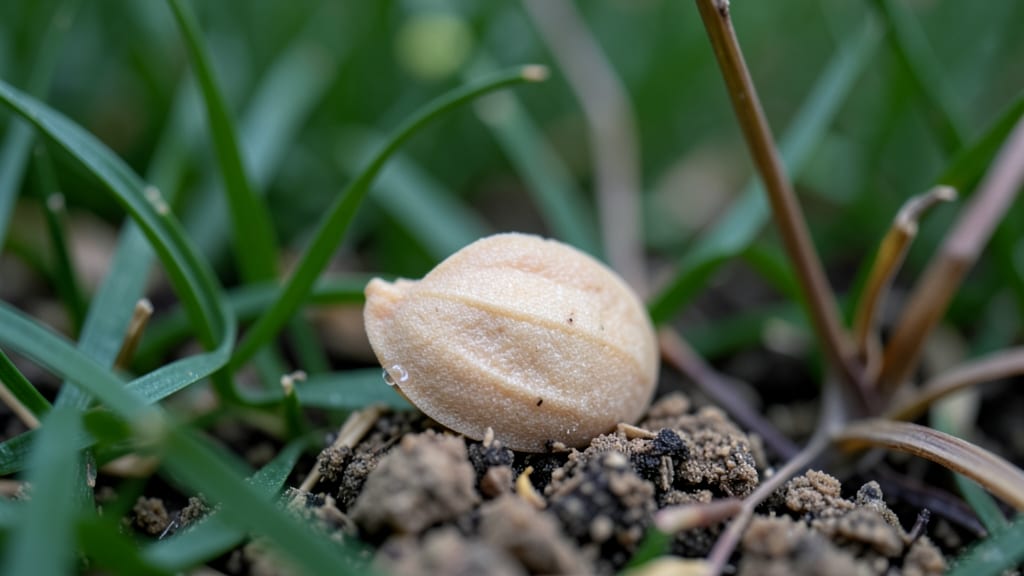
Planting centipede grass seed in Georgia between late April and early June gives it the fast, heat-resistant start it needs to outpace weeds and drought.
Georgia’s scorching summers can turn grass seeding into a high-stakes game—plant too early, and frost stunts growth; too late, and drought stress kills seedlings. Timing is everything for a lush, heat-resistant lawn.
This warm-season grass thrives when soil temperatures hit 65°F and stay there, which in Georgia’s 7b-8b zones means waiting until after the last frost (usually mid-March) but before the brutal July heat sets in.
Below, I’ll walk you through the exact window, soil prep tricks to lock in moisture, and how to keep seedlings alive during Georgia’s infamous 100°F+ stretches—so you end up with a lawn that’s green, not brown.
Optimal planting window for centipede grass seed in Georgia’s climate zones
Georgia’s climate creates a narrow but critical window for planting centipede grass seed—too early risks frost damage, while late planting invites summer drought stress. This heat-loving grass thrives when soil temperatures hit 65°F+ consistently, making late spring the sweet spot for most regions.
Understanding your USDA Zone (7b-8b) and local frost dates ensures your seedlings establish strong roots before summer’s intensity.
Northern Georgia (Zone 7b) faces earlier frost risks than the southern half (Zone 8b), shifting ideal planting dates by weeks. My experience shows that waiting for soil temps above 65°F—typically mid-April to early May in the north—gives seedlings a fighting chance against late frosts.
In southern Georgia, you’ve got until mid-June to plant without drought stress becoming a major threat.
| Georgia Region | USDA Zone | Optimal Planting Window | Soil Temp Threshold | Key Risk |
|---|---|---|---|---|
| Northern Georgia | 7b | Mid-April to early May | 65°F+ (18°C+) | Late frost (after April 15) |
| Central Georgia | 7b-8a | Late April to early June | 65°F+ (18°C+) | Summer drought (after June 1) |
| Southern Georgia | 8b | Early May to mid-June | 68°F+ (20°C+) | Extreme heat (100°F+) |
Centipede grass earned its reputation as Georgia’s drought-resistant champion, but seedlings still need consistent moisture to establish roots. Planting when daytime highs hit 80°F+ means you’ll need to water daily for 30 days post-planting to prevent desiccation.
My trick? Use drip irrigation on a timer to keep soil evenly moist without wasting water.
One common mistake I’ve seen is planting too early in hopes of avoiding summer heat—this backfires when late frosts (common until April 15 in northern Georgia) damage tender seedlings. Always check your local frost dates and wait until 3 weeks after the last frost before seeding.
For extra protection, consider a lightweight frost blanket if planting in early April.
The real magic happens when you time planting with Georgia’s summer humidity. Centipede grass thrives in 90%+ humidity, which peaks in June and July—perfect for established plants but challenging for seedlings.
If you plant in late May or early June, you’ll catch the ideal balance of warmth and moisture for germination without the 100°F+ heat stress that can scorch new growth.
For those in Zone 8b southern Georgia, the window extends into mid-June, but be warned: temperatures above 95°F require afternoon shade cloth (30-50% shade) to prevent seedling stress.
I’ve had success using agricultural shade fabric during the hottest hours (12 PM–4 PM) for the first 2 weeks after planting in late May.
Don’t overlook soil temperature—it’s the single most critical factor for centipede grass germination. Use a soil thermometer to confirm temps are consistently above 65°F before planting. Cold soil slows germination and invites fungal diseases like Pythium, which thrive in Georgia’s humid climate.
Pro tip: Black plastic mulch can raise soil temps by 5-10°F if you’re planting at the edge of your ideal window.
If you miss the late spring window, don’t despair—centipede grass can be planted in early fall (September), but this requires fast establishment before the first frost (typically November 15).
Fall planting works best in southern Georgia (Zone 8b) where growing seasons are longer. For northern areas, stick to spring planting to avoid winter dormancy challenges.
Remember: Centipede grass is a slow starter compared to cool-season grasses. Germination takes 21-30 days under ideal conditions, so planting too late in the season leaves little time for roots to develop before summer’s intensity.
Plan ahead and give your lawn the best possible start—your future shade and drought-resistant grass will thank you! 🌱
Critical pre-planting preparation steps for Georgia’s centipede grass success
Before you even think about scattering centipede grass seed across your Georgia lawn, proper preparation is non-negotiable. This warm-season grass thrives in acidic soil (pH 5.0–5.5) and hates competition—whether from weeds or poor drainage.
Skipping these steps means slower germination, patchy growth, or even failure, especially in Georgia's humid climate where moisture and heat work against you.
Start with a soil test—Georgia’s clay-heavy soils often need amendments to hit that sweet spot. If your pH is too high, mix in sulfur or peat moss (1–2 pounds per 100 sq ft) 4–6 weeks before planting.
For compacted soil, aerate lightly with a core aerator in late spring, but avoid over-tilling, which can damage soil structure and expose seeds to birds.
Weeds are your silent saboteurs. Apply a pre-emergent herbicide like oxadiazon (follow label rates) 2–3 weeks before seeding. For organic options, lay down cardboard or thick mulch to smother existing weeds.
Pro tip: Mow existing grass short (1–1.5 inches) 2 weeks before seeding to create a clean seedbed—just don’t scalp the lawn, or you’ll stress the soil.
⚠️ Critical Mistake Alert: Timing + Drainage
Planting too early (before soil temps hit 65°F+) delays germination by weeks. Poor drainage in Georgia’s heavy clay leads to root rot—test slopes and low spots by digging a 12-inch hole and filling it with water. If it drains slower than 6 hours, amend with compost or sand (50/50 mix).
Irrigation is your secret weapon. Centipede grass needs consistent moisture but hates soggy soil. Install a drip irrigation system or soaker hoses to deliver 1–1.5 inches of water weekly, focusing on early morning (5–9 AM) to prevent fungal diseases.
Avoid sprinklers—they waste water and can wash seeds away. For large lawns, consider a smart controller to automate cycles during Georgia’s unpredictable summer rains.
Rake the seedbed one last time with a fine-tooth rake to create a smooth, firm surface—centipede seeds are tiny and need good soil contact. Lightly press seeds into the soil (no deeper than ¼ inch) to ensure moisture reaches them.
If your lawn has bare spots, mix seeds with sand or compost (1:1 ratio) for even distribution. Pro move: Mark seed rows with a spray paint guide to avoid overlapping passes.
Finally, protect your investment. Cover seeds with a lightweight straw mulch (¼ inch thick) to retain moisture and shield them from Georgia’s intense afternoon sun. Avoid thick mulch—it can smother seeds and attract pests.
Water gently but thoroughly after planting, and keep the soil moist (not soggy) until germination, which typically takes 14–28 days in ideal conditions. Patience here pays off with a dense, heat-resistant lawn that outlasts summer’s worst.