
Plants
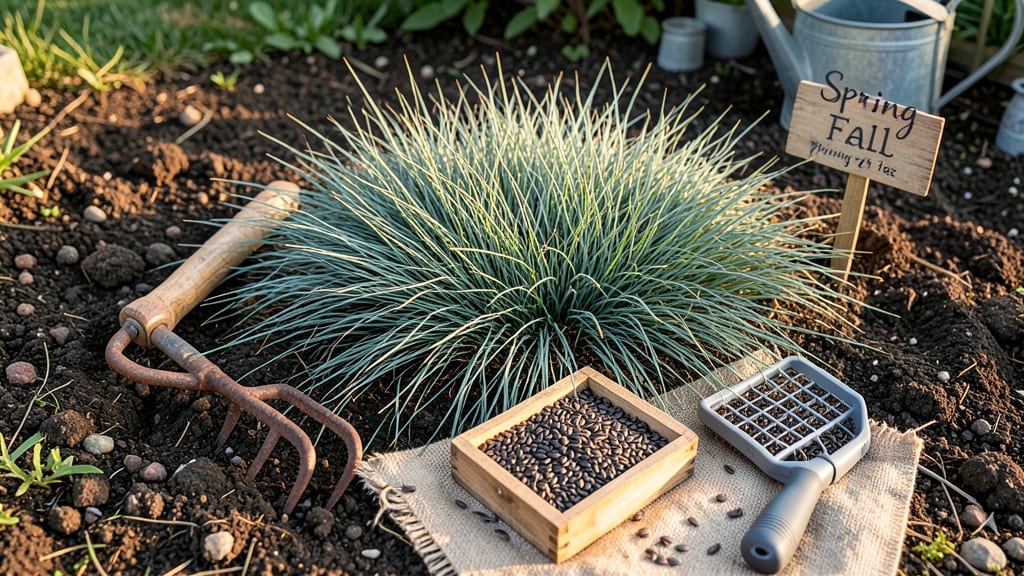
Planting buffalo grass seed in Kansas when soil temperatures hit 60–70°F is the secret to a lawn that takes hold fast and fights drought like a pro.
Skip that window, and you’re betting on slow germination, weak roots, or even failure—especially if late-summer droughts dry out your new seeds before they sprout. The right timing isn’t just about the calendar; it’s about matching Kansas’ climate quirks, from the wetter east to the drier west.
Here’s how to nail the perfect window, prep your soil like a local, and keep your buffalo grass thriving through Kansas’ scorching summers and unpredictable rains.
You’ll learn the exact months to plant, how to read your soil’s readiness, and the one trick that cuts watering needs by half—without sacrificing a single blade of grass.
Best planting window for buffalo grass seed in Kansas
Buffalo grass (Buchloe dactyloides) thrives in Kansas’ hot summers and low-maintenance reputation, but timing your planting is critical. The ideal soil temperature for germination is 60-70°F, which Kansas typically hits in late April to early May in most regions.
Planting too early risks frost damage, while late planting may expose young seedlings to summer droughts—a major challenge in western Kansas.
Kansas’ USDA zones 5b-7a create microclimates that shift planting windows by 2-3 weeks. Eastern Kansas (like Kansas City) can plant 2 weeks earlier than western areas (like Garden City) due to cooler nights and higher humidity.
Always check soil temperature with a soil thermometer—never rely on air temperature alone.
| Planting Window | Soil Temp (°F) | Kansas Region | Risks | Best Month |
|---|---|---|---|---|
| Early Spring (Late April) | 55-60°F | Eastern KS (5b) | Frost damage | April (wait for 50°F nights) |
| Optimal Spring (May) | 60-70°F | Central KS (6a) | None (ideal) | May (peak germination) |
| Late Spring (June) | 70-75°F | Western KS (7a) | Drought stress | Early June (with irrigation) |
| Late Summer (August) | 65-70°F | All regions | Competition from weeds | August (cool evenings) |
Most Kansas gardeners prefer late April to early May for spring planting because it balances soil warmth with moisture availability. However, late summer (August) is a secondary window that works well in irrigated lawns, as cooler nights reduce stress on seedlings.
Avoid planting in July or September—both months bring extreme heat or drought risks.
If you’re in western Kansas, where rainfall is scarce, prioritize early spring planting with drip irrigation to maintain 1-2 inches of moisture weekly. Eastern Kansas can stretch planting into mid-May thanks to higher humidity, but always test soil moisture—dry topsoil means delayed germination.
Post-emergence care starts 2 weeks after planting with light mowing (never cut more than 1/3 of the blade height). In Kansas’ hot summers, increase watering to deep soakings twice weekly until the grass reaches 3 inches tall.
After establishment, buffalo grass needs only 1 inch of water per week—its deep root system makes it one of Kansas’ most drought-resistant grasses.
Pro tip: Use a starter fertilizer with phosphorus (P) to encourage root growth. In Kansas, 10-20-10 is ideal—apply it 2 weeks before planting and again 6 weeks after germination.
Skip nitrogen-heavy fertilizers; they promote top growth at the expense of root depth, which is critical for Kansas’ intense summers.
Watch for uneven germination, a common issue in Kansas’ variable soils. If you see bare patches, lightly rake the area and reseat seed—buffalo grass seeds are tiny (0.05 oz per sqft) and need light contact with soil.
Mulch with straw (not hay) to retain moisture without smothering seedlings.
Remember: Buffalo grass spreads slowly—don’t expect a full lawn in the first year. In Kansas, year 1 is about root establishment, while year 2 delivers 60% coverage. Patience pays off with a low-maintenance, native grass that thrives where Kentucky bluegrass struggles.
For a head start, consider hydroseeding—it’s more expensive but ensures even seed distribution and moisture retention, which is a game-changer in Kansas’ windy conditions. Whether you choose traditional seeding or hydroseeding,
Kansas-specific factors that affect planting success
Kansas’ climate isn’t one-size-fits-all—its diverse USDA zones (5b-7a) and east-to-west rainfall gradients create microclimates that drastically impact buffalo grass success.
Western Kansas (drier, USDA 5b-6a) demands earlier planting to beat summer droughts, while eastern regions (USDA 6b-7a) can wait slightly longer due to higher humidity. Elevation differences also play a role: higher areas (like western plains) have cooler soils, delaying ideal planting by 2-3 weeks compared to eastern lowlands.
Rainfall patterns are another critical factor. Eastern Kansas averages 35-40 inches annually, giving you more flexibility with watering, while western areas see just 15-25 inches.
In drier zones, planting buffalo grass seed in late summer (August-September) lets you take advantage of residual summer moisture before winter dormancy. Soil temperature must reach 60-70°F for optimal germination—check with a soil thermometer before committing.
| Factor | Eastern Kansas (USDA 6b-7a) | Western Kansas (USDA 5b-6a) |
|---|---|---|
| Rainfall | 35-40" annually | 15-25" annually |
| Ideal Planting Window | Late April–early May | Mid-April–late April |
| Soil Temp for Germination | 60-70°F | 65-75°F (warmer needed) |
| Drought Risk | Low (humidity helps) | High (plant earlier) |
| Watering Needs | Moderate (1" weekly) | Critical (2" weekly) |
For drought-resistant success, adjust your approach based on your location. In western Kansas, prioritize early spring planting (March-April) when soils are still moist from winter snowmelt. Use mulch or straw to retain moisture, and consider drip irrigation for consistent watering.
Eastern gardeners can plant slightly later (April-May) but must still monitor for late spring droughts, which can stall germination.
Don’t overlook wind exposure, especially in western Kansas where gusts can dry out seeds. Choose sheltered areas or use windbreaks like tall grasses or shrubs. If planting in high-elevation areas (e.g., Flint Hills), account for cooler microclimates by planting 2-3 weeks earlier than lowland zones.
Always test your soil’s pH (6.0-7.5 ideal)—buffalo grass tolerates alkaline soils but struggles in acidic conditions.
Finally, avoid planting after July in most of Kansas, as summer heat and drought stress young seedlings. Instead, opt for late summer (August-September) in western zones to capitalize on fall rains before winter.
This timing also lets buffalo grass establish roots before first frost (October-November), ensuring a stronger start next spring.
By aligning your planting with these Kansas-specific factors, you’ll give buffalo grass the best shot at thriving—even in the state’s most challenging conditions. 🌱