
Plants
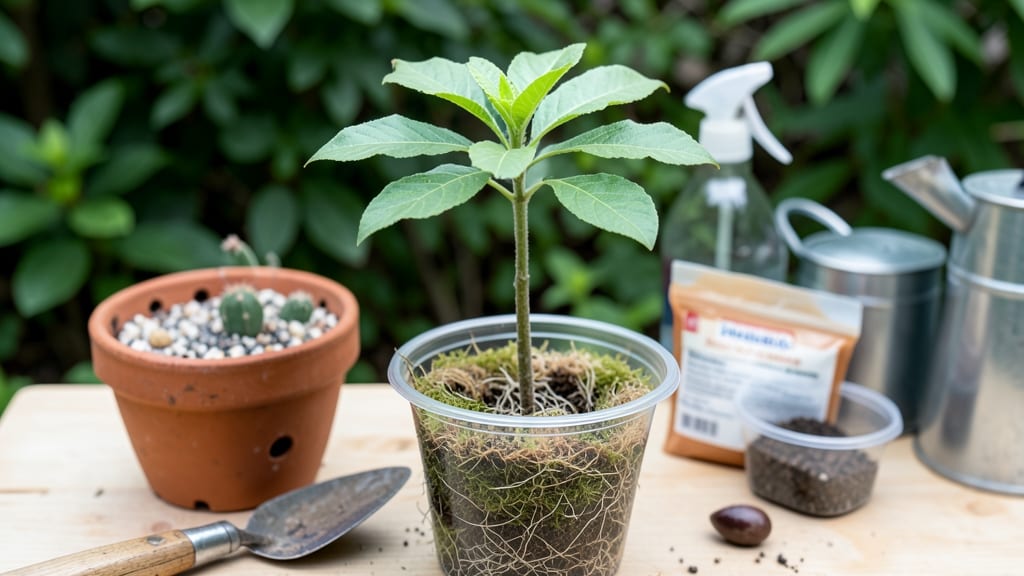
To plant an avocado seed in soil at the right time means faster sprouts and a healthier 🥑 tree—spring is your best bet, but indoor timing changes everything.
Picture this: you’ve got your seed floating in water, roots growing like crazy, and then—you wait too long to plant it. Next thing you know, those roots are circling the pot and your seedling’s struggling to stand up.
That’s why timing matters so much, especially if you’re in Zone 6 or dealing with unpredictable weather.
Most gardeners plant their avocado seeds in soil after the last frost, usually in March or April, but there’s a trick for indoor starters. If you begin indoors in late winter, you can transplant outside once the soil warms up to 65°F or higher.
That way, you avoid the shock of cold soil and give your little tree the best possible start.
Below, I’ll walk you through the exact steps to time your planting—whether you’re going straight to soil or giving your seed a head start in water. You’ll learn how to spot the perfect moment, what to watch for, and how to keep your seedling thriving once it’s in the ground.
Best time of year to plant avocado seeds in soil for maximum success
Timing is everything when planting an avocado seed in soil. Unlike mature trees that thrive in warm climates year-round, seeds need precise conditions to germinate. The ideal soil temperature for avocado seeds is between 65–85°F, which aligns perfectly with spring planting in most regions.
Even in USDA Zone 6, where frost is a risk, starting indoors in late winter gives you a head start.
Humidity plays a surprising role too. Avocado seeds prefer moderate humidity (50–70%) to prevent drying out. In dry climates, you’ll need to mist the soil daily or use a humidity dome.
If your area is naturally humid, like coastal regions, germination speeds up—sometimes sprouting in just 2–4 weeks instead of the usual 6–8 weeks.
Here’s the key: Spring is the gold standard for outdoor planting, but summer and fall can work with adjustments. Let’s break it down by season so you can pick the best window for your climate.
| Season | Best Planting Window | Soil Temp (°F) | Humidity Needs | Germination Time |
|---|---|---|---|---|
| Spring | March–April (after last frost) | 65–85°F | 50–70% | 4–8 weeks |
| Summer | June–July (early morning planting) | 75–90°F | 60–80% (shade cloth helps) | 3–6 weeks |
| Fall | September (early, before temps drop) | 60–75°F | 50–65% | 6–10 weeks |
| Indoor (Year-Round) | Any time (use grow lights) | 70–80°F (consistent) | 60–75% | 2–5 weeks |
Spring planting is my top recommendation because it aligns with nature’s cycle. As temperatures rise, your avocado seedling will transition smoothly from indoor pots to outdoor beds.
Start seeds indoors in February if you’re in a cooler zone, then move them outside after the last frost date (typically mid-April in Zone 6). This gives roots time to establish before summer heat arrives.
Summer planting is trickier but doable if you act fast. Plant seeds in early June and keep them in partial shade until roots are 2–3 inches long.
Avoid midday heat—your seedling’s soil should never exceed 90°F, or roots will cook. Use a lightweight shade cloth to protect young leaves from sunburn.
Fall is riskier unless you live in a mild climate. Plant seeds by early September to give them time to germinate before temperatures drop below 60°F.
Overwinter seedlings indoors under grow lights if frost threatens. I’ve seen avocado seeds planted in fall still sprout, but growth slows dramatically in cooler months.
Indoor planting is the most flexible option. You can start seeds anytime using a south-facing window or grow lights to mimic spring conditions. Keep soil at 70–80°F with a humidity tray underneath the pot. This method works year-round, but seedlings may need supplemental light to prevent leggy growth.
One common mistake? Waiting for perfect outdoor conditions. Avocado seeds germinate best when soil is warm but not scorching. If your outdoor soil is too cold, start seeds indoors and transplant later. The goal is to avoid temperature shock, which stunts growth or kills seedlings outright.
Pro tip: Monitor your seedling’s root length. Once roots reach 3–4 inches, it’s ready for soil. Longer roots mean better stability and faster growth once planted. If roots are sparse, give it another 2–4 weeks in water before transplanting.
🌱
Step-by-step avocado seed germination process: from pit to pot
Germinating an avocado seed takes patience, but the process is simple if you follow the right steps. Start by cleaning your avocado pit thoroughly to remove any remaining fruit flesh, then let it dry for 1-2 days.
This prevents mold and ensures a healthy start. The key to success lies in proper pre-soaking and monitoring root development—both critical for knowing when to transition to soil.
Once your pit is dry, insert 3-4 toothpicks evenly around the middle to create a stand. Place the wider, flat end of the pit in a glass of water, ensuring only the bottom half is submerged.
Change the water every 2-3 days to prevent bacteria buildup. Within 2-6 weeks, you’ll notice a 1-2 inch root emerging from the bottom—this is your cue to prepare for the next phase.
🌱
When to Plant an Avocado Seed in Soil
- 1 Root Length Check: Wait until the root reaches 1-2 inches long. Shorter roots may not support the seedling in soil.
- 2 Soil Preparation: Use a well-draining potting mix with perlite or sand. Avoid garden soil—it retains too much moisture.
- 3 Planting Depth: Bury the pit halfway into the soil, leaving the top exposed. Press gently to secure it without compacting the mix.
- 4 Watering Routine: Keep the soil lightly moist but never soggy. Water when the top inch feels dry—overwatering causes root rot.
- 5 Light Exposure: Place the pot in bright, indirect light (e.g., a south-facing window). Avoid direct sun until the seedling is established.
After planting, your avocado seedling will focus on growing a strong stem and leaves rather than just roots. Within 4-8 weeks, you’ll see the first true leaves emerge—these look different from the initial spiky leaves.
Once the seedling reaches 12+ inches tall and has a woody stem, it’s ready for a larger pot or outdoor planting (if temperatures stay above 50°F).
Monitor your seedling’s progress closely. If the leaves turn yellow or brown, it’s often a sign of overwatering or poor drainage. Adjust your care routine immediately to keep the soil moist but not waterlogged.
With patience, your avocado seedling will thrive and eventually grow into a tree that could produce fruit in 5-10 years!
🌿