
Lawn
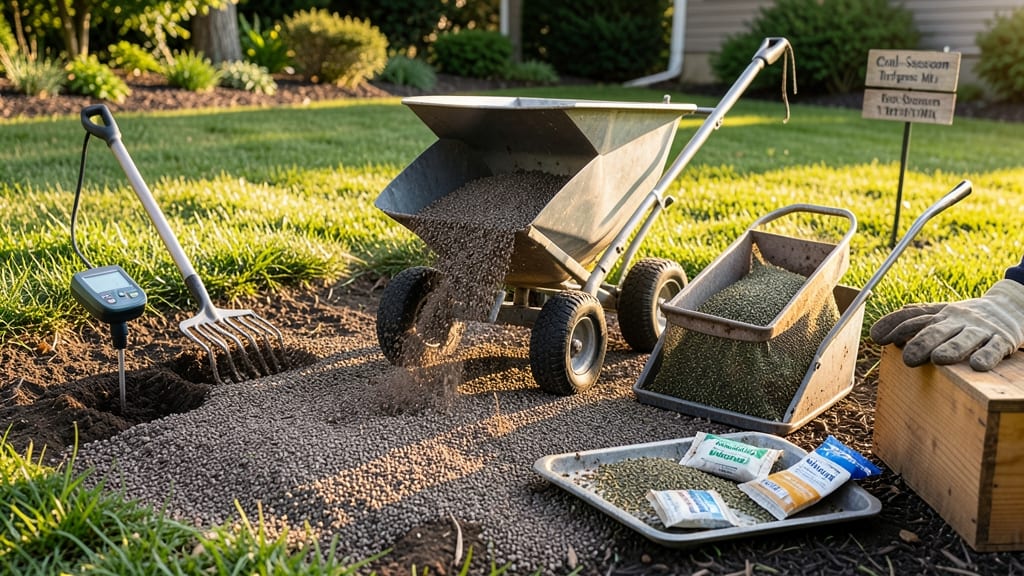
To fertilize and seed your lawn at the right time means the difference between a thick, vibrant carpet of 🌱 and a patchy, weed-infested mess.
Picture this: you’ve spent hours spreading seed and fertilizer, only to watch it wash away in a summer downpour or bake into the soil before roots can take hold. Timing isn’t just about convenience—it’s the foundation of a healthy lawn.
Whether you’re in Zone 6a or a warmer climate, getting the season right (spring vs. fall) is the secret to strong growth and fewer headaches.
Cool-season grasses like Kentucky bluegrass thrive when seeded in early fall, while warm-season types such as Bermuda need late spring. But here’s the catch: soil temperature, rainfall, and even your local frost dates play a huge role.
Skip the guesswork and learn the exact windows for fertilizing and seeding—plus how to prep your soil for success.
In this guide, I’ll break down the perfect timing for your region, common mistakes that derail lawns, and post-planting care to keep your grass lush all year. Ready to turn your yard into the envy of the neighborhood?

Optimal fertilizing and seeding timeline: spring vs. fall breakdown
Timing is everything when it comes to lawn care. Fertilizing and seeding at the wrong time can lead to wasted money, weak grass growth, and even weed infestations.
The best results come from understanding your climate zone and grass type—whether you have cool-season grasses (like Kentucky Bluegrass) or warm-season grasses (like Bermuda). Let’s break down the ideal windows for spring and fall, including soil temperature cues and regional adjustments.
Spring is all about early preparation. For cool-season grasses, aim to fertilize in early spring (March-April) when soil temperatures rise above 50°F (10°C). This jumpstarts root growth before summer heat arrives. Warm-season grasses, however, prefer late spring (May-June) when soil temperatures hit 65°F (18°C) or higher.
Seeding in spring works but requires extra care—you’ll need to keep seeds moist and protect them from late frosts.
Fall is often called the golden window for lawn care. Cool-season grasses thrive when seeded or fertilized in early fall (September-October), as they establish roots before winter dormancy. Warm-season grasses, meanwhile, slow down in fall, so focus on light fertilization in late summer (August-September) to prepare for spring.
The key is soil temperatures between 60-75°F (15-24°C), which promotes root development without stressing the grass.
| Task | Cool-Season Grasses | Warm-Season Grasses | Soil Temp | Best Months |
|---|---|---|---|---|
| Fertilizing | Early spring, late fall | Late spring, early summer | 50-75°F (10-24°C) | March-April, Sept-Oct |
| Seeding | Early spring, early fall | Late spring, early summer | 50-75°F (10-24°C) | March-April, Sept-Oct |
| Prep Work | Aerate, dethatch | Aerate, topdress | 40-60°F (4-15°C) | Feb-March, Aug-Sept |
| Watering | Daily, 1 inch | Daily, 1 inch | N/A | After seeding |
| Avoid | Summer heat, winter | Fall frost, winter | Below 40°F (4°C) | June-Aug, Dec-Feb |
Why does timing matter so much? Root development is the secret to a resilient lawn. Cool-season grasses grow best when soil temperatures are moderate (50-75°F), allowing roots to establish before extreme heat or cold.
Warm-season grasses, on the other hand, need warmer soil (65°F+) to activate growth. Seeding in the wrong season can lead to weak germination or even seed loss due to disease or drought stress.
For Northern climates, focus on early spring and fall. In Southern regions, you can extend seeding into late fall or even winter, depending on your USDA hardiness zone.
Always check your local frost dates—seeding too early can expose new grass to late frosts, while seeding too late may not give roots enough time to establish before winter.
Pre-spring prep is crucial. Start by aerating and dethatching in late winter or early spring to improve soil contact. For fall, aim to fertilize 6-8 weeks before the first frost to give grass time to absorb nutrients.
Use a slow-release fertilizer with a 10-0-10 or 16-4-8 NPK ratio to encourage balanced growth. Always water deeply after fertilizing to help nutrients reach the roots.
Regional adjustments are key. In Pacific Northwest or Upper Midwest, cool-season grasses dominate, so focus on September-October seeding. In Southeast or Southwest, warm-season grasses like Zoysia or Centip
5 Critical mistakes that ruin your lawn fertilization and seeding schedule
A beautiful lawn isn’t just about choosing the right grass—it’s about timing everything perfectly. Even experienced gardeners make costly mistakes when fertilizing or seeding. Summer heat stress or fall seeding too late can turn your investment into wasted money.
Let’s fix that by identifying the top 5 blunders and how to avoid them.
First, many homeowners fertilize during peak summer months when grass struggles to absorb nutrients. The heat causes burn damage and forces plants to work harder just to survive. Even worse? Over-fertilizing in summer leads to rapid top growth that weakens roots—making your lawn vulnerable to drought and pests.
⚠️ callout warning ⚠️
Never fertilize when soil temps exceed 80°F—this burns roots. Fall is the prime window (Sept-Oct) for cool-season grasses, while late spring (April-May) works for warm-season types. Seeding without soil prep (aeration, tilling) means wasted seed—70% of failures happen here.
Another common error is skipping soil preparation before seeding. Simply scattering grass seed on compacted soil guarantees poor germination. Loosen the top 2-3 inches of soil, remove debris, and level the area. Without this step, seeds smother or dry out before sprouting. I’ve seen lawns fail spectacularly because homeowners rushed this critical prep work.
Rainfall timing plays a huge role too. Seeding right before heavy rain washes seeds away, while planting during drought causes seeds to dry out instantly. The solution? Check your local 7-day forecast and aim for consistent moisture (about 1 inch per week) after seeding.
A light misting twice daily keeps seeds hydrated without drowning them.
Many gardeners also ignore grass type compatibility with their climate. Cool-season grasses (like Kentucky Bluegrass) thrive in fall fertilization, while warm-season types (like Bermuda) need spring feeding. Mixing these up leads to patchy growth or weed takeover. Always match your grass type to your region’s growing season.
Finally, the over-fertilizing trap catches even seasoned pros. More fertilizer doesn’t mean better results—it causes nutrient burn, yellowing, and environmental runoff. Stick to the 0.5-1 lb per 100 sqft rule and split applications into 3-4 feedings per season. Your lawn will thank you with deep roots and vibrant color.
By avoiding these mistakes, your lawn will establish faster, resist weeds better, and stay lush year-round. Perfect timing isn’t just about when—it’s about how you prepare, fertilize, and nurture your grass. 🌱