
Companion Plants
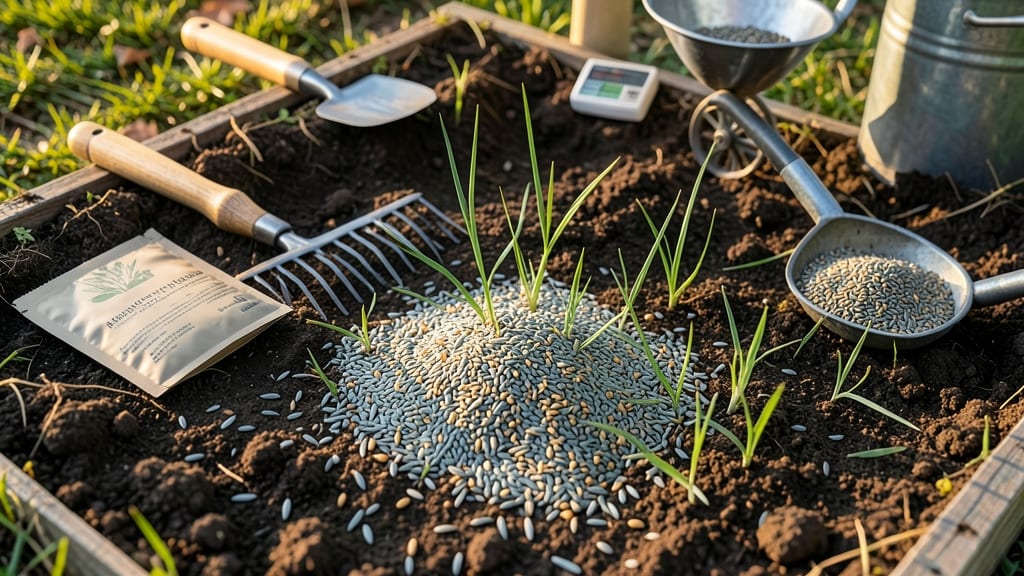
Planting grass seed in the fall is the best way to get a thick, green lawn by spring — but the timing has to be just right to avoid weak growth or winter damage.
Picture this: you’ve cleared the weeds, tilled the soil, and poured over the seed, only to watch it struggle through a cold snap or fail to take root before the frost. That’s why knowing the exact window matters more than the seed brand or fertilizer you choose.
For most of the U.S., including USDA Zone 6a, the ideal time is 4-6 weeks before your first frost — typically late August to early October. This gives your 🌱 turfgrass time to establish roots before winter dormancy kicks in.
Below, I’ll break down the exact timing by region, how to prep your soil for success, and the care routine that keeps your new grass thriving through the cold months.
Optimal fall planting windows by US climate Zone
Fall planting offers the perfect balance of cool temperatures and soil moisture for grass seed to germinate and establish strong roots before winter. But the ideal window varies dramatically across the U.S., from northern states with early frosts to southern climates where mild winters extend the growing season.
Planting too early risks summer heat stress, while waiting too long may leave seeds vulnerable to frost damage.
Your best bet is to aim for 4-6 weeks before your first frost date, when daytime highs stay between 60°F–75°F (15°C–24°C) and nighttime lows hover above 50°F (10°C).
This gives seeds time to sprout and develop roots before dormancy sets in. Let’s break down the exact timing for your region to ensure your lawn thrives next spring.
If you’re in Zones 3–5, don’t wait past early September—cool nights and shorter days can slow germination. I’ve planted in Zone 4 and learned the hard way that seeds sown after mid-September often struggle to establish roots before the ground freezes.
For Zones 6–7, aim for late September to early October when soil temps drop but remain warm enough for sprouting.
Southern gardeners in Zones 8–11 have more flexibility, but avoid planting in summer heat (above 85°F/29°C), which causes seed desiccation. In Zone 9, I’ve had success planting into early November, but I always check the 10-day forecast for frost warnings.
Use a soil thermometer to confirm temps are in the ideal range before sowing.
Pro tip: Check your local cooperative extension service for precise frost dates—these can vary by 1–2 weeks even within the same zone. For example, Denver (Zone 5) often has a later frost date than Billings (Zone 4), even though they’re in adjacent zones. Adjust your timeline accordingly.
Once you’ve nailed the timing, focus on soil preparation to maximize germination. Loosen compacted soil, remove debris, and add a starter fertilizer with phosphorus to encourage root growth. Water lightly twice daily for the first 2 weeks to keep seeds moist but not waterlogged.
Remember, the goal is to give your grass seed 4–6 weeks of active growth before winter dormancy. If you plant too late, roots may not establish deeply enough, leaving your lawn vulnerable to drought stress and weed competition next spring.
Plan ahead, and you’ll enjoy a thicker, greener lawn by summer.
For extra peace of mind, consider using a seed germination blanket in cooler zones to retain heat and moisture. This can extend your planting window by 1–2 weeks in marginal conditions.
How to prepare your soil and lawn for fall grass seed planting
Fall is the perfect time to plant grass seed because cooler temperatures and consistent moisture create ideal conditions for seed germination and root establishment. But before you spread that seed, your soil needs the right prep to ensure success.
Skipping this step can lead to patchy growth or weeds taking over. Let me walk you through the essential preparation tasks to set your lawn up for a thick, green carpet next spring.
First, you’ll want to test your soil pH and nutrient levels. Most cool-season grasses thrive in soil with a pH between 6.0 and 7.0. If your soil is too acidic or alkaline, you’ll need to amend it with lime (to raise pH) or sulfur (to lower it).
You can grab a soil test kit from your local garden center or send a sample to a lab for precise results. This small step saves you from wasted effort and money on seed that won’t grow properly.
Once you know your soil’s condition, it’s time to remove debris and weeds. Use a lawn rake or dethatching tool to clear away dead grass, leaves, and thatch buildup. Thatch thicker than ½ inch can smother new grass seeds.
For stubborn weeds, apply a pre-emergent herbicide 2-3 weeks before planting to prevent them from competing with your new grass. If weeds are already sprouting, hand-pull or spot-treat them with a vinegar-based solution for organic control.
Step-by-Step Soil Prep for Fall Grass Seed
- 🔍 Test Soil pH: Aim for 6.0–7.0; amend with lime or sulfur if needed.
- 🌱 Aerate Compacted Soil: Use a core aerator to create ¼-inch holes every 2–3 inches.
- 🪴 Add Compost or Fertilizer: Mix in 1–2 inches of compost or a slow-release 10-0-10 fertilizer.
- 💧 Water Deeply: Soak soil 6–8 inches deep 1–2 days before planting.
- ✂️ Mow Short: Cut grass to 1–1.5 inches to create space for new seeds.
Next, aerate your lawn to relieve compacted soil. Compacted soil prevents water, air, and nutrients from reaching the roots of your new grass. Rent a core aerator or use a manual aerating tool to create small holes in the soil.
These holes should be about ¼-inch wide and spaced 2–3 inches apart. Aerating also helps seeds make direct contact with the soil, improving germination rates. If your lawn is particularly dense, consider renting a spike aerator as a secondary step, but core aeration is the gold standard.
After aerating, spread a thin layer of compost or starter fertilizer over the lawn. Aim for about 1–2 inches of compost or a high-phosphorus fertilizer (like 10-0-10) to promote root growth. Phosphorus is crucial for seedling development, so don’t skip this step.
Lightly rake the area to work the compost or fertilizer into the top inch of soil. This ensures your seeds have the nutrients they need to sprout quickly and establish strong roots before winter sets in.
Finally, water your lawn thoroughly 1–2 days before planting. The soil should be moist but not soggy—think of it as damp sponge-like. This pre-watering helps seeds stay hydrated immediately after planting and encourages rapid germination.
After sowing, keep the soil consistently moist by watering lightly but frequently (about ¼-inch per day) for the first 2 weeks. Avoid heavy watering, which can wash away seeds or cause them to rot. A gentle sprinkler or soaker hose works best for this critical phase.
With these steps, your soil will be primed for fall grass seed success. The key is patience—cool temperatures and consistent moisture will give your new grass the best chance to establish deep roots before winter.
Next spring, you’ll be rewarded with a lush, vibrant lawn that’s the envy of the neighborhood. Happy planting! 🌱