
Plants
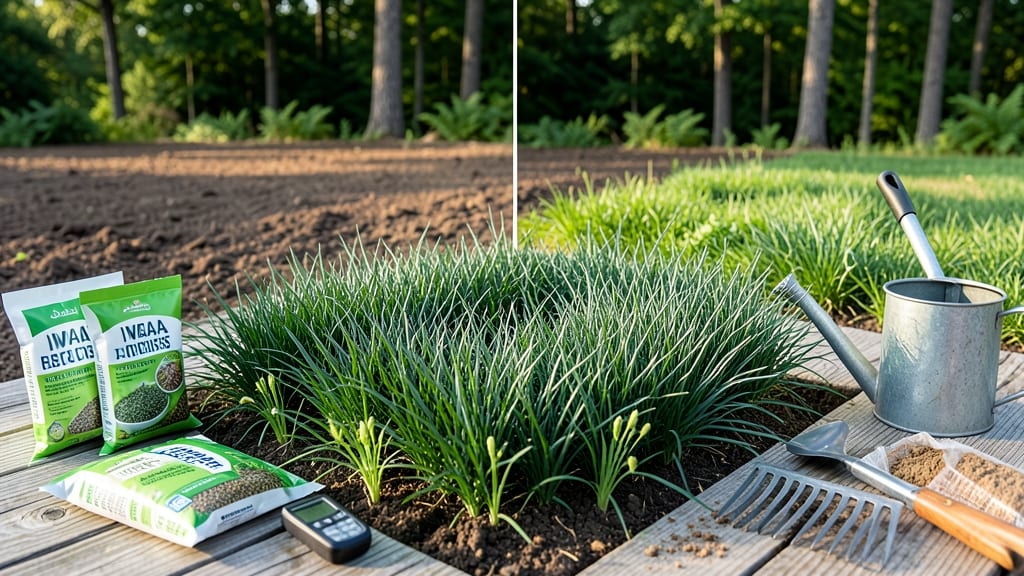
The best time to plant grass seed in Iowa is 4-6 weeks before the first frost in fall or after the last frost in spring—a window that balances soil warmth, moisture, and frost risk for strong germination.
Iowa’s unpredictable weather can turn your dream of a lush, green lawn into a frustrating gamble—but timing your grass seed planting just right could mean the difference between a patchy yard and a thick, vibrant carpet.
For Iowa’s 5a-6a zones, that means aiming for early September or mid-April, when soil temperatures hover around 55°F and rainfall patterns favor seedling growth. Planting too early risks frost damage, while waiting too long leaves your lawn vulnerable to summer weeds.
Below, I’ll break down the exact frost dates by region, soil prep steps to ensure success, and how to troubleshoot common Iowa challenges like clay soil or drought. Ready to transform your lawn?
Iowa’s ideal grass seed planting windows: exact weeks before frost for each season
Timing your grass seed planting in Iowa is all about beating the first frost while avoiding summer’s scorching heat. The USDA zones 5a-6a create distinct planting windows across Northern, Central, and Southern Iowa, each with unique frost timelines.
Mastering these windows ensures your cool-season grasses like Kentucky bluegrass and tall fescue establish strong roots before winter dormancy.
Iowa’s climate demands precision: plant too early, and seedlings struggle with summer heat; too late, and frost kills tender sprouts. The optimal window is 4-6 weeks before the first frost, but regional variations mean your Northern Iowa yard may need earlier prep than Southern Iowa.
Let’s break down the exact weeks for each season and zone.
🌱 Key Insight: Soil temperature matters more than air temperature. Aim for 55°F (13°C) minimum—cool enough for germination but warm enough to avoid frost damage.
| Region | USDA Zone | First Frost Date | Optimal Planting Window | Soil Temp Goal | Grass Type |
|---|---|---|---|---|---|
| Northern Iowa | 5a | October 5–15 | August 20–September 15 | 55–65°F (13–18°C) | Kentucky Bluegrass, Fine Fescue |
| Central Iowa | 5b-6a | October 10–20 | August 25–September 20 | 55–65°F (13–18°C) | Tall Fescue, Perennial Ryegrass |
| Southern Iowa | 6a | October 15–25 | September 1–15 | 55–68°F (13–20°C) | Buffalo Grass, Tall Fescue |
| Spring Window (All Regions) | 5a-6a | April 15 (Last Frost) | April 1–15 | 50–60°F (10–16°C) | Cool-Season Blends |
For fall planting, aim to finish by September 20 in Northern Iowa and September 15 in Southern Iowa.
This gives seedlings 6–8 weeks to establish roots before winter. Late summer planting (August) is riskier but works if your soil stays moist—ideal for tall fescue, which tolerates heat better than Kentucky bluegrass.
Spring planting in Iowa is trickier due to late frosts (even after April 15). Wait until soil temperatures consistently stay above 50°F (10°C)—usually mid-April. Cool-season grasses like Kentucky bluegrass thrive in spring but need consistent moisture to outpace weeds.
Pro tip: Use a soil thermometer to verify temperatures. If your Northern Iowa soil hits 65°F (18°C) in August, you can push planting to September 1—just monitor weather forecasts for unexpected frosts. Southern Iowa’s warmer microclimates often allow September 15 planting without risk.
Regional microclimates matter too. Urban areas like Des Moines (Zone 5b) may have 2–3°F warmer soil than rural Northern Iowa. Check local Iowa State University Extension frost maps for precise dates. 🌡️
If you miss the fall window, spring planting is your backup—but rush jobs often lead to thin, weed-prone lawns. Prioritize soil prep (aeration, compost) in late winter to give seeds a head start. 🌱
For warm-season grasses like buffalo grass (less common in Iowa), plant in late spring (May–June) when soil is 70°F+ (21°C+). These varieties struggle in Iowa’s winters but offer drought resistance. ✂
How to prepare Iowa soil for grass seed: step-by-step pre-planting checklist
Preparing your Iowa soil for grass seed is half the battle to achieving that thick, green lawn you crave. Iowa’s clay-heavy soils and variable pH levels often create challenges, but with the right prep, your seeds will germinate like clockwork.
The key is balancing soil health, weed control, and proper tilling—all while accounting for Iowa’s cool-season climate.
Iowa’s USDA zones 5a-6a mean you’ll want to focus on cool-season grasses like Kentucky bluegrass or tall fescue, which thrive in our spring and fall planting windows.
Before you even think about seed, you’ll need to tackle soil testing, weed removal, and proper tilling depth—all critical steps that often get overlooked. Let’s break it down so your lawn gets the best possible start.
- 1 Test Soil pH – Use a soil test kit to check pH (ideal: 6.0-7.0). Iowa soils often test too acidic or too alkaline; amend with lime (for acidity) or sulfur (for alkalinity) 4-6 weeks before planting.
- 2 Remove Weeds and Debris – Clear the area of weeds, rocks, and dead grass using a broadfork or tiller. For stubborn weeds, apply a pre-emergent herbicide 2 weeks before planting.
- 3 Till the Soil – Loosen the top 4-6 inches of soil with a rototiller to break up compaction and improve aeration. For clay-heavy soils, mix in 2-3 inches of compost to enhance drainage.
- 4 Level the Ground – Use a rake to smooth out low spots and fill in high areas. A level surface ensures even seed distribution and uniform germination.
- 5 Choose the Right Seed – Select a cool-season blend (e.g., Kentucky bluegrass + tall fescue) for Iowa’s climate. Avoid warm-season grasses like Bermuda, which struggle in our winters.
If your soil feels rock-hard or clay-like, don’t panic—this is common in Iowa. To improve drainage and aeration, mix in organic matter like composted manure or peat moss. For extremely compacted soil, consider core aeration before planting to create channels for roots and water.
Once your soil is prepped, lock in moisture by watering lightly the day before planting. This helps seeds make immediate contact with damp soil, giving them the best chance to germinate quickly.
After sowing, keep the soil consistently moist (not soggy) for the first 2-3 weeks—this is when seedlings are most vulnerable to drying out.
Pro tip: If you’re planting in early fall, aim for late August to early September when soil temps are still warm but nights are cooling. This gives seeds time to establish roots before winter.
For spring planting, wait until soil temps reach 55°F (13°C), usually around mid-April in most of Iowa.
With these steps, your Iowa lawn will have the perfect foundation for thick, resilient grass that stands up to our unpredictable weather. Happy planting—your future lawn will thank you! 🌱