
Plants
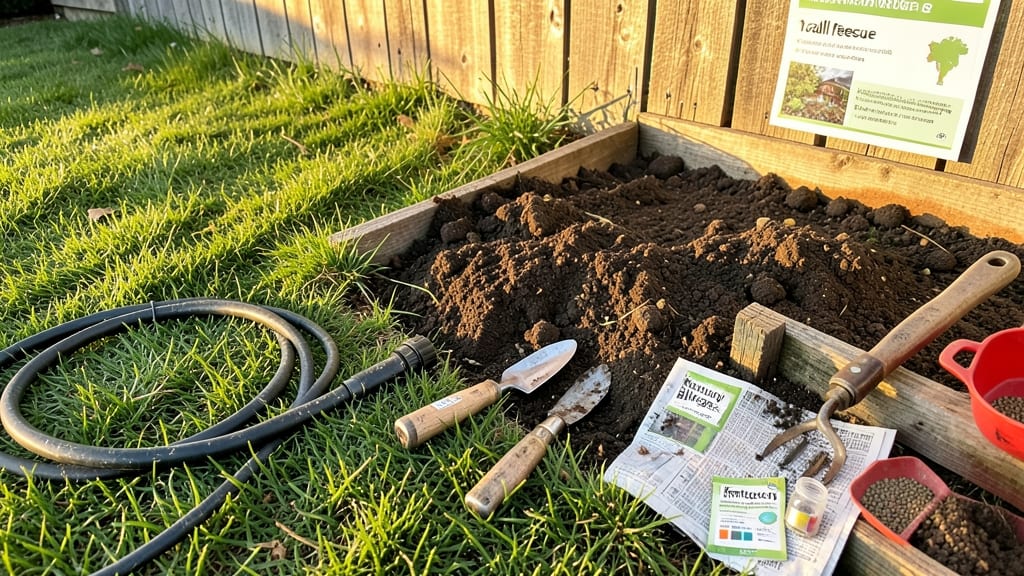
Planting grass seed in Colorado at the right time ensures strong root growth before summer heat or winter frost hits—aim for early spring or late summer when soil temperatures hit 50–65°F.
Colorado’s elevation swings make timing tricky: Front Range lawns thrive with spring planting by mid-April, while mountain zones need to wait until June to avoid late frosts. Get it wrong, and your seedlings could bake in July heat or freeze before establishing.
Cool-season grasses like Kentucky bluegrass dominate here, but warm-season varieties (like buffalo grass) have narrower windows. Soil prep—loosening topsoil and testing moisture—is just as critical as the calendar.
Below, I break down the exact frost-free windows by elevation, soil temperature thresholds, and a checklist to avoid costly mistakes. No more guessing—just a lush, resilient lawn.
Optimal Colorado grass seed planting windows by elevation: when to plant for maximum root establishment
Colorado’s dramatic elevation shifts—from the Front Range’s 5,000 feet to mountainous regions above 10,000 feet—create wildly different planting conditions. At lower elevations, Kentucky bluegrass thrives in early spring, while high-altitude fescue mixes need later starts to avoid frost.
The key? Matching your soil temperature and frost-free window to your elevation zone.
Cool-season grasses like tall fescue and ryegrass dominate Colorado lawns, but their ideal planting windows shrink as elevation rises. For example, Denver’s 5,280 feet offers a 6-week window (March–April), while Aspen’s 7,900 feet narrows to just 4 weeks (May–June).
Warm-season grasses like buffalo grass are rare but can extend the window in southern Colorado’s lower deserts.
Here’s how to pinpoint your perfect planting window using elevation, soil temperature, and frost data—plus a side-by-side comparison for quick reference.
| Elevation Zone | USDA Zone | Ideal Planting Window | Soil Temp Threshold (°F) | Last Frost Date | Grass Seed Recommendation |
|---|---|---|---|---|---|
| Front Range (5,000–6,500 ft) | 6a–7a | Early March–Mid-April | 50–55°F | March 15–April 1 | Kentucky Bluegrass, Fine Fescue |
| Foothills (6,500–8,000 ft) | 5b–6b | Late March–Early May | 55–60°F | April 1–May 15 | Tall Fescue, Ryegrass Mixes |
| Mountains (8,000–10,000+ ft) | 4a–5a | Late May–Early June | 60–65°F | May 15–June 1 | Creeping Red Fescue, Hard Fescue |
| Southern Colorado (4,000–6,000 ft) | 7a–8a | Early February–Late April | 45–50°F | February 15–March 30 | Buffalo Grass, Bermuda Grass |
For Front Range gardeners, aim to plant 4–6 weeks before the last frost (typically early March). Use a soil thermometer—seedlings need 50–55°F soil to germinate. In Denver or Boulder, this usually aligns with late March, but watch for unpredictable late frosts.
At higher elevations like Estes Park (7,900 ft), delay until late May to avoid spring frost damage. Here, hard fescue blends outperform Kentucky bluegrass due to their cold tolerance. Always check NOAA’s frost forecasts—a single 28°F night can kill young seedlings.
Fall planting is trickier in Colorado. For cool-season grasses, seed in late August–early September at lower elevations, but shift to mid-September in the mountains. The goal?
Give grass 6–8 weeks to establish roots before first frost. Warm-season grasses like buffalo grass can handle late summer planting in southern Colorado.
Microclimates add complexity. A south-facing slope warms faster than a north-facing yard, potentially extending your window by 2–3 weeks. Urban areas like Colorado Springs experience "heat islands", so plant 1–2 weeks earlier than rural zones.
Always test your soil—sandy soils dry out faster and may need earlier watering.
Pro tip: Use starter fertilizer with high phosphorus (P) (e.g., 10-20-10) to boost root growth. For high-altitude areas, add peat moss to improve water retention. And never plant when soil temps exceed 75°F—seedlings will bake in Colorado’s summer heat.
Timing isn’t just about the calendar—it’s about reading your microclimate. With these elevation-specific windows, you’ll avoid the #1 mistake: planting too early and losing seedlings to frost, or too late and struggling with drought stress before winter. 🌱
Critical factors that determine success: soil temperature, frost dates, and grass seed types
Timing your grass seed planting in Colorado isn’t just about checking a calendar—it’s about understanding three critical factors: soil temperature, frost dates, and the right grass seed type for your elevation.
These elements work together to create the perfect window for seed germination and root establishment, especially in Colorado’s diverse climate zones.
Start by monitoring your soil temperature with a soil thermometer. For most Colorado grass varieties, the ideal planting temperature ranges between 50°F to 65°F. Cool-season grasses like Kentucky bluegrass and fescue thrive in these conditions, while warm-season grasses like buffalo grass prefer warmer soils above 65°F.
Check temperatures in the morning for the most accurate reading.
Next, consult NOAA’s frost forecasts for your specific region. Colorado’s last frost dates vary dramatically—from as early as March 15 in lower elevations (like Denver) to May 1 in higher mountain areas.
Aim to plant 4-6 weeks before the first frost in fall or 2-4 weeks after the last frost in spring to give your grass enough time to establish strong roots before harsh weather sets in.
| Factor | Ideal Condition | Colorado-Specific Tip |
|---|---|---|
| Soil Temperature | 50°F–65°F | Use a soil thermometer; avoid planting if temps drop below 40°F. |
| Frost Dates | 4–6 weeks before first frost | Check NOAA’s Colorado frost maps for your elevation zone. |
| Grass Seed Type | Cool-season (bluegrass, fescue) or warm-season (buffalo grass) | Match seed to your USDA zone (5–8) and elevation. |
| Moisture Needs | Consistent, deep watering | Water 1/2 inch per week; avoid overwatering in high-altitude areas. |
Matching your grass seed type to your elevation is equally important. In lower elevations (5,000–6,500 ft), cool-season grasses like Kentucky bluegrass and tall fescue dominate, while higher elevations (6,500–9,000 ft) often benefit from fine fescue or buffalo grass, which tolerate cooler temperatures and drier conditions.
For example, Denver’s USDA Zone 5b favors Kentucky bluegrass, whereas mountain towns like Breckenridge (Zone 4b) thrive with hardy fescue blends.
Pre-planting soil prep can extend your planting window in high-altitude areas. Loosen the top 4–6 inches of soil, remove rocks, and mix in compost to improve drainage and fertility. In dry climates, consider adding a mulch layer to retain moisture.
For late starts, use starter fertilizer to jumpstart root growth, but avoid heavy feeding until the grass is fully established.
Finally, don’t overlook moisture management. Colorado’s arid conditions demand consistent watering—aim for 1/2 inch per week during establishment. Use a rain gauge or tuna can to measure water accurately, and water in the early morning to reduce evaporation.
In high-altitude areas, reduce watering slightly to prevent fungal growth from excess moisture.
By mastering these three factors—soil temperature, frost dates, and grass seed selection—you’ll transform your Colorado lawn from a gamble into a guaranteed success.
Start with the right timing, and your grass will reward you with a vibrant, resilient carpet that stands up to the state’s unpredictable weather. 🌱