
Plants
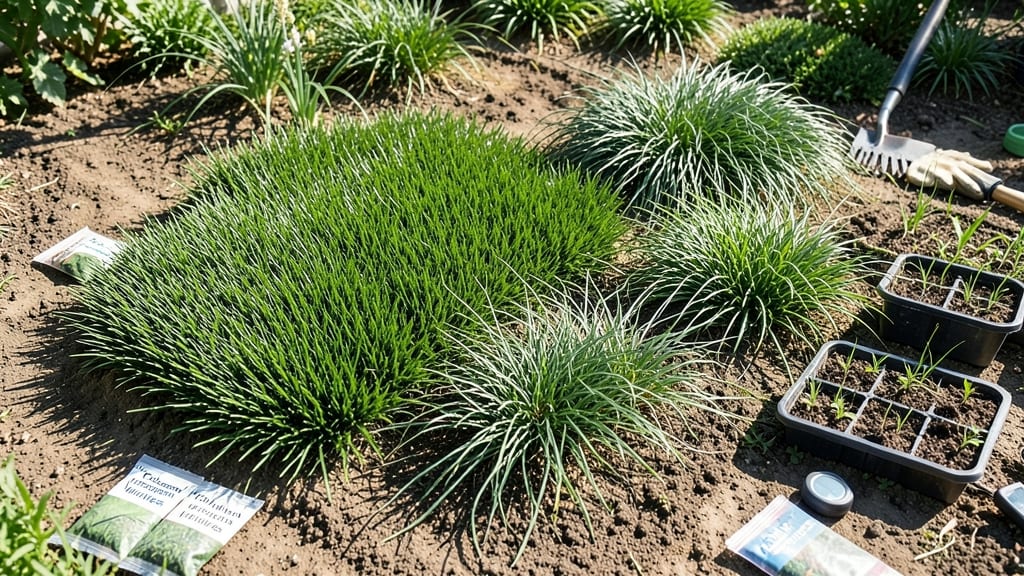
The best time to plant grass seed in California depends on your region—coastal areas thrive in fall, while desert zones wait for spring—but getting it wrong can mean thin patches or wasted seed.
Picture this: you’ve spent hours spreading fresh 🌱 grass seed across your yard, only to watch it bake under a desert sun or drown in coastal rains before it even sprouts.
Timing isn’t just about the calendar—it’s about soil temperature, rainfall, and whether your microclimate leans toward foggy mornings or triple-digit afternoons.
California’s diverse zones—from the cool coastal areas of San Francisco to the hot inland valleys—demand different strategies. Plant too early, and frost or drought can stall germination. Too late, and your grass struggles to establish before summer heat sets in.
The key? Knowing when soil temps hit that 60–75°F sweet spot for seed to wake up.
In this guide, I’ll break down the optimal windows for your exact region, plus the 5 critical factors that make or break your lawn—so you can finally grow grass that stays lush, not just lucky.
Optimal planting windows for California grass seed by region: coastal vs. desert timing
California’s diverse climate means coastal regions like San Francisco and desert areas like Palm Springs have opposite ideal planting times for grass seed. Coastal zones thrive with fall planting (September–November), while deserts demand spring planting (March–April).
These differences come down to soil temperature, rainfall patterns, and grass seed types suited to each microclimate.
In coastal areas, cool-season grasses like Kentucky bluegrass and fescue germinate best when daytime temps hover between 60–75°F and autumn rains provide natural moisture.
Meanwhile, desert regions rely on warm-season grasses like Bermuda or Buffalo grass, which need soil temps above 65°F and consistent irrigation to establish roots before summer heat arrives.
Timing isn’t just about months—it’s about weather triggers. Coastal gardeners should watch for first consistent rains (usually September), while desert gardeners should plant when spring showers soften the soil (March–April). Missing these windows can lead to slow germination, drought stress, or even seed rot.
For coastal California, the fall window (September–November) aligns with natural rainfall and cooling temps, reducing the need for supplemental watering. I’ve seen creeping red fescue establish a dense cover in just 4–6 weeks when planted in early October.
The key is to avoid planting after November, as winter rains can wash away seeds before germination.
In desert regions, spring planting (March–April) ensures soil moisture from spring showers and cooler nights prevent seed desiccation. I recommend Bermuda grass for desert lawns because it tolerates heat once established, but it won’t germinate if soil temps exceed 85°F.
Planting in late April risks summer drought before roots take hold.
One critical mistake I see in both regions is ignoring microclimates. For example, Santa Barbara’s coastal climate is similar to San Francisco, but Santa Maria’s inland valleys can have 10°F warmer soil temps just 20 miles away.
Always check local frost dates and rainfall forecasts—tools like the USDA Plant Hardiness Zone Map and NOAA Climate Data are invaluable.
If you’re in a transition zone (like the Central Valley), you can plant twice: once in late summer (August–September) for cool-season grasses and again in early spring (March) for warm-season varieties.
Just ensure soil temps stay below 80°F during germination. I’ve had success with tall fescue in Fresno when planted in late August, using drip irrigation to maintain moisture.
Finally, watering schedules must adapt to your region. Coastal areas can rely on natural rainfall after planting, while desert lawns need daily watering for 2 weeks to prevent
5 Critical factors that determine success (beyond just the calendar)
California’s diverse climate means the perfect planting window for grass seed isn’t just about months—it’s about soil temperature, rainfall patterns, and even grass seed type.
For example, cool-season grasses like fescue thrive in fall soil temps of 60–75°F, while warm-season grasses like Bermuda need spring soil temps above 70°F. Ignoring these factors can leave you with patchy lawns or wasted seed.
Let’s break down the five critical factors that actually determine success—because even if you follow the calendar, Mother Nature might have other plans. Adjusting for local rainfall, shade exposure, and seed variety can mean the difference between a lush lawn and a failed project.
📌 Numbered Highlights: California Grass Seed Success Factors
- 1 Soil temperature must match seed type: Cool-season grasses (e.g., Kentucky bluegrass) need 50–65°F soil; warm-season (e.g., Zoysia) thrive at 75–85°F. Use a soil thermometer to check before planting.
- 2 Rainfall timing is non-negotiable: Coastal areas (e.g., San Francisco) get natural moisture in fall/winter, while desert zones (e.g., Palm Springs) need supplemental watering for 2+ weeks post-planting. Aim for 1–1.5 inches of water weekly.
- 3 Shade exposure alters germination: Shady lawns (<4 hours of sun) should use shade-tolerant seeds like fine fescue, while sunny spots (>6 hours of sun) need sun-loving varieties like Bermuda grass. Test shade with a sunlight meter for accuracy.
- 4 Seed type dictates planting window: Cool-season grasses (fall planting) vs. warm-season grasses (spring planting). Mixing types (e.g., planting Bermuda in coastal areas) risks poor establishment due to temperature mismatches.
- 5 Adjust for unpredictable weather: If drought hits early, delay planting until rainfall forecasts improve. Use mulch to retain moisture and pre-emergent herbicides to block weeds during germination.
For instance, I once planted tall fescue in June in the Central Valley—only to watch it brown out within weeks because the soil was too hot (>85°F). The fix?
Waited until September when temps dropped to 70°F, and the grass sprouted within 10 days. Timing isn’t just about the calendar; it’s about reading your local microclimate.
Pro tip: Use a weather app with soil temp alerts (like Weather Underground) to track ideal germination conditions. In coastal areas, aim for fall planting by October to avoid winter rains washing away seed. Inland? Spring planting by March ensures consistent moisture before summer droughts hit.
Even if you nail the planting window, shade exposure can sabotage success. For example, Kentucky bluegrass needs full sun but can struggle in partial shade (3–6 hours of sun).
Always test your lawn’s sunlight with a sunlight calculator or observe shadows at solar noon (around 12–1 PM) for 3 days.
Remember: California’s climate is unpredictable. If a heatwave or drought delays your plans, hold off until conditions stabilize. Patience now means a thicker, greener lawn later—not a brown, patchy mess. 🌱