
Plants
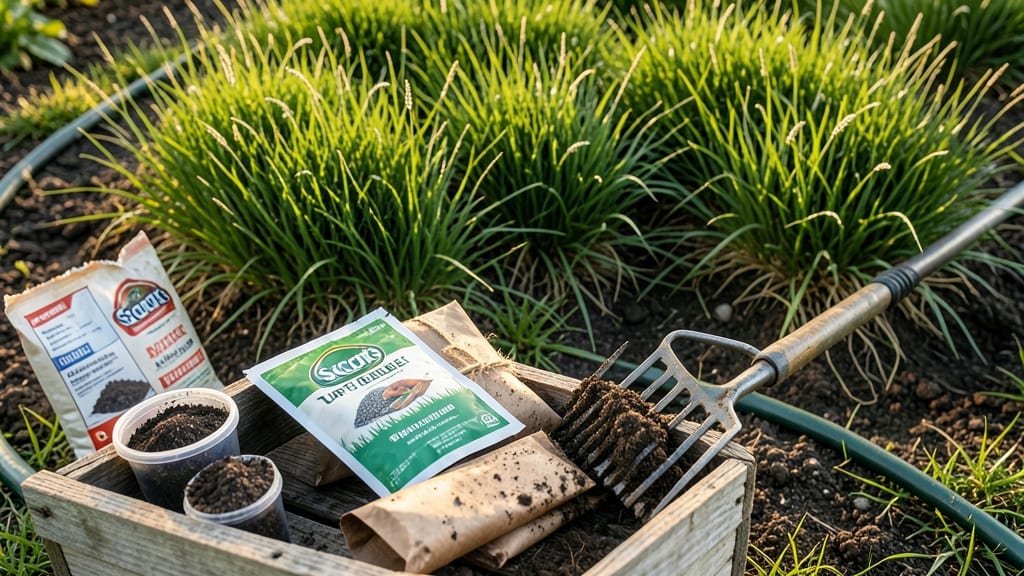
You can plant grass seed in Minnesota as early as late April or as late as mid-September, but timing is everything—get it wrong and your lawn could end up patchy or stunted.
Minnesota’s unpredictable climate can make timing your grass seed planting a real challenge—plant too early and risk frost damage, too late and face summer drought. But knowing the exact frost-free window by zone can transform your lawn from patchy to picture-perfect.
For Zones 3b-5b, the ideal window is 4-6 weeks before the first frost (early spring) or right after the last frost (late summer). Soil temperature must stay above 50°F (10°C) for seeds to germinate properly.
In this guide, I’ll break down the best planting months by region, how to prep your soil, and the grass types that thrive in Minnesota’s short growing season—so you can finally get that lush, green lawn you’ve been dreaming of.
Minnesota grass seed planting dates by hardiness zone (2024)
Timing your grass seed planting in Minnesota depends heavily on your USDA hardiness zone (3a-5a) and whether you're planting in early spring or late summer/fall. The state's 120-160 frost-free days create tight windows—miss them, and you'll face either frost damage or summer drought stress.
Northern Minnesota (zones 3a-3b) has the shortest growing season, while southern areas (zones 4b-5a) enjoy an extra 2-3 weeks of warmth. Urban areas like Minneapolis-St. Paul (zone 4b) often experience microclimates that delay frost by 5-7 days compared to rural farmland.
For all zones, the ideal soil temperature for germination is 50°F (10°C) or warmer. Use a soil thermometer to confirm—cold, wet soil can delay sprouting by weeks, even if air temps seem perfect.
| Zone | Spring Planting Window | Fall Planting Window | Avg Last Frost | Avg First Frost | Microclimate Note |
|---|---|---|---|---|---|
| 3a (Northern MN) | May 1 - May 15 | August 15 - August 30 | May 10-20 | September 20-25 | Rural areas 3-5 days earlier |
| 3b (NW MN) | April 25 - May 5 | August 10 - August 25 | May 5-15 | September 15-20 | Urban heat islands delay frost by 2-3 days |
| 4a (Central MN) | April 15 - April 30 | August 5 - August 20 | April 20-May 5 | September 10-15 | Lakeside areas extend window by 1 week |
| 4b (Twin Cities) | April 1 - April 15 | July 30 - August 15 | April 15-25 | September 5-10 | City sidewalks stay warmer for 5-7 days |
| 5a (Southeast MN) | March 25 - April 10 | July 20 - August 5 | April 10-20 | September 1-5 | River valleys warm 3-5 days faster |
Spring planting offers the longest growing season but requires
How to adjust planting timing for Minnesota’s unpredictable weather
Minnesota’s volatile spring weather can turn your grass seed planting into a guessing game. One day it’s 50°F and sunny, the next it’s 32°F with frost warnings. The key to success?
Flexibility. By learning how to read soil temperatures, protect young seedlings, and choose the right varieties, you can extend your planting window by weeks—even months.
Most gardeners in Zones 3b-5a aim for late April to early May, but that’s not always possible. If you miss the spring window, don’t panic—late summer planting (August) can still yield a lush lawn with the right approach.
The secret lies in soil warmth, frost protection, and fast-germinating seeds designed for cooler climates.
Cold soil (<40°F) stalls germination, while dry summer heat can bake seeds before they sprout. Test soil with a soil thermometer—wait until it’s 50°F+ for 5+ days before planting. If frost threatens, use row covers or straw mulch to protect seedlings.
Start by testing soil temperature daily for a week. Bury a soil thermometer 2 inches deep—this is where seeds will germinate. If temperatures dip below 45°F at night, delay planting.
For late starts, choose fast-germinating varieties like tall fescue or fine fescue, which can sprout in 7-14 days when conditions are ideal.
If an early frost hits after planting, act fast. Cover seedlings with lightweight row fabric or straw mulch to insulate them. For extreme cold snaps (<25°F), use burlap sacks or cardboard to trap heat.
Remove covers during the day to avoid overheating or fungal growth. Water lightly before covering to prevent dehydration.
For late-summer planting, focus on August timing when soil is still warm but summer drought hasn’t set in. Water deeply twice daily (morning and evening) for the first 2 weeks to encourage root growth.
Use a mulch layer (straw or shredded leaves) to retain moisture and regulate soil temperature.
Don’t forget to adjust for microclimates. Urban areas with concrete and pavement stay warmer than rural fields, while shady spots near trees may need earlier planting to avoid competition.
By combining soil tests, frost protection, and smart seed choices, you can turn Minnesota’s unpredictable weather into an advantage for a thicker, greener lawn. 🌱