
Plants
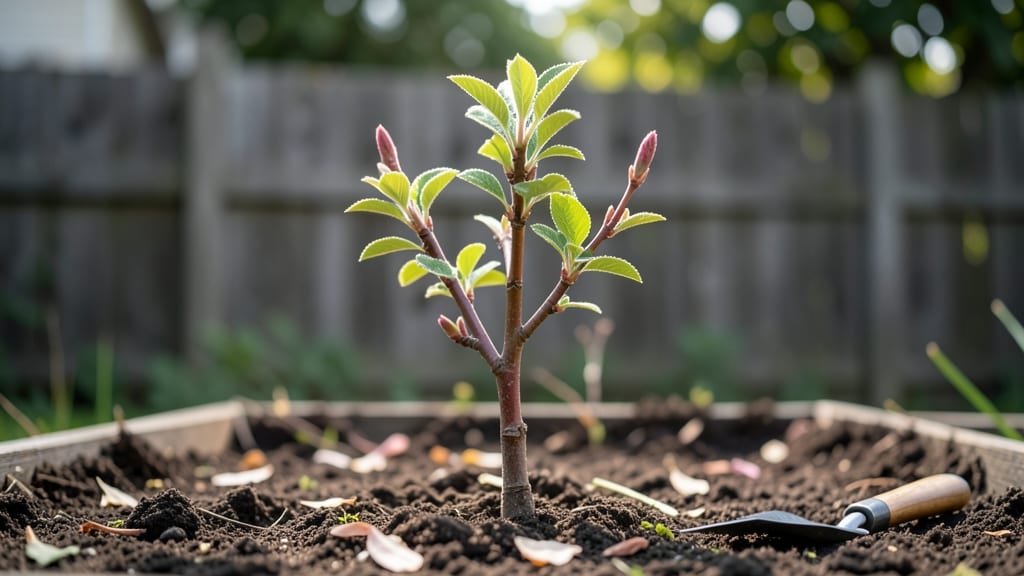
What does a peach seedling look like at first—just two fuzzy, rounded leaves called cotyledons, like tiny, velvety peach-colored petals hugging the soil? 🌱 actually the plant’s first breath of life.
The real test comes when the first true leaves unfurl: they’ll be jagged-edged, bright green, and slightly hairy on the underside, unlike the smooth, oval leaves of almond or apricot seedlings.
The stem at this stage is delicate—thinner than a pencil lead and often reddish-purple near the base—while healthy roots spread like fine white threads in the soil. Weak seedlings, though, might show stunted growth, yellowing cotyledons, or a stem that leans away from light.
I’ve seen many gardeners discard these too soon, not realizing a little shade and consistent moisture can turn them around.
By 4-6 weeks, your seedling should have 4-6 true leaves, each resembling a miniature peach tree’s serrated edges. The key is comparing it to a known healthy seedling: strong stems hold themselves upright, leaves stay firm, and new growth appears vibrant, not dull.
This is when you’ll notice the classic peach tree’s slightly fuzzy stems and the way leaves grow in a spiraling pattern up the stem.
Once you’ve confirmed it’s a peach (not a plum or cherry), the next step is transplanting into a pot with well-draining soil—peach seedlings hate soggy roots.
Keep the soil lightly moist but never waterlogged, and give it a sunny spot indoors or under grow lights until it’s ready for the garden next spring. Patience here pays off with a tree that’ll bear fruit in just a few years.
Understanding Seedling Development Factors
Peach seedlings may look different from what you expect due to a mix of natural biological processes and environmental influences. Let’s break down the key reasons behind their unique appearance—so you can spot them with confidence!
🌱 The foundation of your seedling’s look starts in its DNA.
Peach seedlings grown from pits (seeds) inherit random genetic traits from their parent tree, which can lead to variations in:
- Leaf shape (serrated vs. smooth edges, size differences)
- Growth speed (some seedlings sprout faster than others)
- Coloration (deep green vs. lighter, almost yellowish hues)
Why it happens: Peach trees (Prunus persica) are heterozygous, meaning their seeds carry a mix of dominant and recessive genes. A seedling might inherit:
- A wild-type trait (like thornier stems or smaller leaves) from an ancestor.
- Hybrid vigor (if the parent was a crossbred variety), leading to unexpected resilience or leaf patterns.
Actionable tip: 💡 If you’re growing seedlings for grafting later, don’t expect uniformity—each one is a genetic lottery ticket!
🌡️ Temperature, light, and moisture play a huge role in early development.
Peach seedlings often show stunted or irregular growth if they experience:
- Inconsistent moisture (too dry or waterlogged soil slows root and shoot development).
- Extreme temperatures (below 50°F or above 90°F can stunt growth or cause leaf deformities).
- Poor light exposure (etiolation—long, weak stems and pale leaves—happens in low light).
Why it happens:
- Hormonal imbalances: Stress triggers abscisic acid (ABA), a plant hormone that pauses growth until conditions improve.
- Root constraints: If seeds germinate too deep or in compacted soil, roots struggle to anchor, leading to weak, leggy seedlings.
Actionable tip: 🌡️ Keep soil consistently moist (not soggy) and provide bright, indirect light (a grow light helps if natural light is weak).
⏳ Older seeds or damaged pits can alter a seedling’s appearance.
Peach pits lose viability over time, and even if they sprout, the seedlings may show:
- Smaller, misshapen leaves (due to degraded embryo cells).
- Slower germination (taking weeks instead of days).
- Weak stems (prone to snapping under their own weight).
Why it happens:
- Lipid degradation: Fats in the seed break down, reducing energy reserves for the embryo.
- Mechanical damage: Cracked or bruised pits may not develop properly, leading to asymmetrical growth.
Actionable tip: 🔥 For best results, use fresh pits (from ripe, healthy fruit) and soak them for 24–48 hours before planting to speed up germination.
🍄 Hidden pathogens can twist a seedling’s expected growth.
Even healthy-looking pits can carry latent fungal spores (like Fusarium or Phytophthora), causing:
- Blackened or curled leaves (sign of root rot or damping-off).
- Stunted stems (fungi block nutrient uptake).
- Unusual discoloration (yellowing between veins = possible viral infection).
Why it happens:
- Seed-borne pathogens: Some fungi hitch a ride inside the pit, only activating when conditions are moist and warm.
- Soilborne threats: If your planting mix isn’t sterile, beneficial microbes can’t outcompete harmful ones.
Actionable tip: ✨ Sterilize soil with a 1:10 bleach-water mix (let it dry before use) or plant in pasteurized potting mix to reduce risks.
🌿 Wild peach relatives (like Prunus ferox) look different from cultivated varieties.
If your seedling resembles a wild peach tree (instead of a commercial cultivar like ‘Elberta’ or ‘Redhaven’), expect:
- Smaller, rounder leaves (wild types have less breeding for uniformity).
- Thornier branches (a survival trait in untamed environments).
- Slower fruiting (wild peaches may take 5–7 years to bear fruit vs. 2–3 for grafted trees).
Why it happens:
- Selective breeding: Commercial peaches are grafted onto rootstocks for consistent fruit quality, but seedlings revert to ancestral traits.
- Polyploidy: Some wild peaches have extra chromosomes, leading to larger but less predictable growth.
Actionable tip: 🎯 If you want fruit-bearing trees, consider buying grafted peach saplings—seedlings are great for rootstock but rarely true to commercial types.
Fixing Common Peach Seedling Issues
Identifying a peach seedling in its early stages can be tricky, but knowing how to address common problems ensures your young tree thrives. Below are practical solutions for the most frequent challenges, along with prevention tips to keep your seedling healthy and strong.
If your peach seedling isn’t growing as expected, it might be struggling with environmental factors or poor soil conditions.
🔥 Check Soil Quality
Peach seedlings need well-draining, slightly acidic soil (pH 6.0–6.5). If the soil is too compacted or lacks nutrients, growth will slow.
- Fix: Amend the soil with compost or organic matter to improve drainage and fertility.
- Prevention: Test soil pH before planting and adjust with lime (to raise pH) or sulfur (to lower it) if needed.
🍳 Provide Proper Sunlight
Peach trees thrive in full sun (6–8 hours daily). Shade can weaken seedlings, leading to leggy or weak stems.
- Fix: Move the seedling to a sunnier location or use a grow light if outdoor conditions are limiting.
- Prevention: Choose a planting spot with maximum sunlight exposure from the start.
👨🍳 Ensure Adequate Watering
Overwatering or underwatering can stunt growth. Peach seedlings need consistent moisture but hate soggy roots.
- Fix: Water deeply 1–2 times per week, ensuring the top 2–3 inches of soil stay moist (not waterlogged).
- Prevention: Use mulch to retain moisture and reduce evaporation.
Yellowing or wilting leaves often signal stress, disease, or pest issues.
🌡️ Diagnose Water Stress
Both overwatering and underwatering can cause yellow leaves.
- Fix:
- Underwatering: Water thoroughly and check soil moisture daily until leaves recover.
- Overwatering: Let the soil dry slightly between waterings and improve drainage.
- Prevention: Monitor soil moisture with your finger—stick it 1–2 inches deep to gauge dryness.
🎯 Identify Pest or Disease Issues
Aphids, spider mites, or fungal diseases (like powdery mildew) can attack young seedlings.
- Fix:
- Pests: Spray with neem oil or insecticidal soap. For severe infestations, use a systemic insecticide.
- Fungal Diseases: Remove affected leaves, improve airflow, and apply fungicide if needed.
- Prevention: Inspect seedlings regularly for early signs of pests or disease. Avoid overhead watering to reduce fungal risk.
💡 Nutrient Deficiencies
Yellow leaves (especially between veins) may indicate nitrogen deficiency.
- Fix: Apply a balanced fertilizer (e.g., 10-10-10) or compost tea to boost nutrients.
- Prevention: Fertilize lightly in early spring and avoid over-fertilizing, which can burn roots.
If your seedling has long, thin stems with sparse leaves, it’s likely stretching for light.
⏰ Adjust Light Exposure
Leggy growth happens when seedlings don’t get enough sunlight.
- Fix: Move the seedling to a brighter spot immediately. If indoors, use a grow light 12–14 hours daily.
- Prevention: Plant seedlings in full sun from the beginning or use reflective surfaces (like mirrors) to maximize light.
🔪 Prune for Strength
Overly leggy stems can snap under their own weight.
- Fix: Prune the seedling to encourage bushier growth. Cut back the longest stems by 1/3 to promote branching.
- Prevention: Pinch back the tips of new growth when the seedling is young to encourage a sturdier structure.
Once your peach seedling is healthy, keep it thriving with these habits:
- 🌡️ Mulch Regularly: Apply 2–3 inches of mulch around the base to retain moisture and regulate temperature.
- 💪 Fertilize Seasonally: Use a slow-release fertilizer in early spring and mid-summer.
- 🌱 Monitor for Pests: Check leaves and stems weekly for early signs of trouble.
- 🎯 Thin Seedlings (If Applicable): If growing multiple seedlings, thin them to 12–18 inches apart to reduce competition.
By addressing these common issues promptly, your peach seedling will grow into a strong, fruitful tree with vibrant leaves and sturdy stems. Happy gardening!
Frequently asked questions about peach seedlings
How can I tell if my seedling is a peach and not just a weed?
Look for serrated (jagged) leaf edges and a slightly fuzzy stem—classic peach traits! The first true leaves (not the initial cotyledons) should have a distinctive peach-shaped outline. Weeds often have smooth-edged, lobed, or deeply divided leaves. Compare your seedling to a known peach plant for confirmation.
Why are my peach seedling's first leaves fuzzy?
Those fuzzy leaves are normal! Young peach seedlings often have tiny hairs (trichomes) on the undersides of leaves and stems, which help protect them from pests and retain moisture. If the fuzziness is excessive or accompanied by yellowing, check for powdery mildew—a common fungal issue in humid conditions.
How long until my peach seedling starts looking like a real tree?
By 4-6 weeks, your seedling should have 4-6 true leaves and a more defined stem. True peach tree shape emerges around 6-12 months, when you'll see the classic branching pattern and thorns (if it's a non-hybrid variety). Patience is key—seedlings grow slowly compared to grafted trees.
Can I tell if my seedling will bear fruit just by looking at it?
Not reliably! Seedlings from pits rarely produce fruit identical to the parent tree due to genetic variability. Even healthy-looking seedlings may take 5-7 years to bear fruit (if they do at all). For guaranteed fruit-bearing trees, consider buying grafted peach saplings instead of growing from seed.
What should I do if my peach seedling's leaves are yellow?
Yellow leaves usually indicate overwatering, nutrient deficiency, or pest damage. First check soil moisture—peach seedlings prefer consistently moist (not soggy) soil. If the yellowing is between veins, it may be nitrogen deficiency. Try fertilizing lightly with compost tea or a balanced 10-10-10 fertilizer.