
Flowers
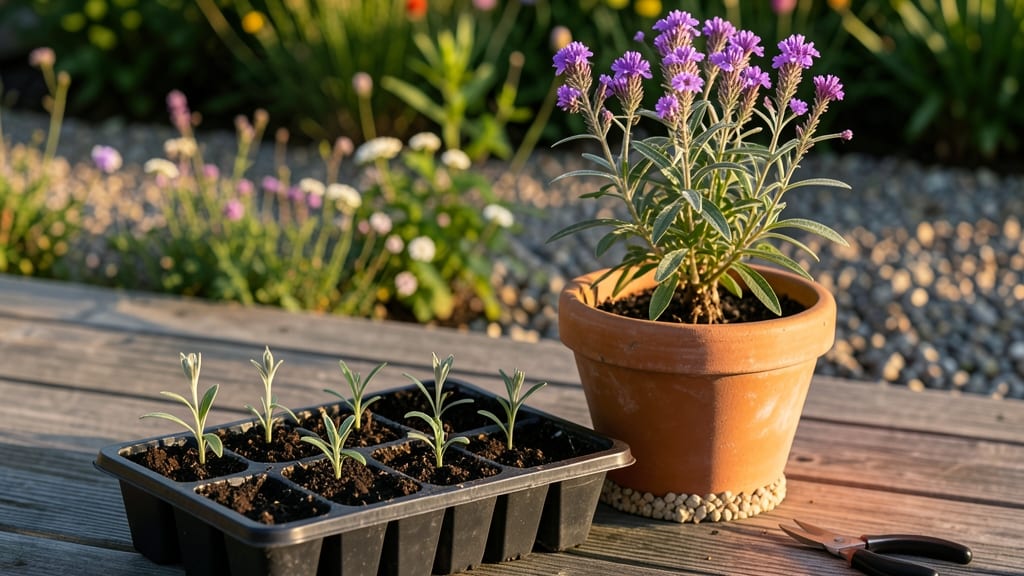
Growing verbena rigida from seeds unlocks towering purple blooms that defy drought and heat. 🌿 I learned the hard way that these seeds need a cold treatment to break dormancy—something most seed packets don’t mention.
The first flush of flowers in early summer makes the effort worth it, especially when your neighbors’ plants wilt by August. The secret starts with stratifying seeds for 4-6 weeks in the fridge before planting.
Use well-draining soil with a mix of sand or perlite to prevent rot, and plant seeds just 1/8 inch deep—any deeper and they’ll struggle to surface. Light requirements are non-negotiable: full sun (6+ hours daily) is mandatory for those signature upright spikes.
Once sprouted, water deeply but infrequently—verbena rigida thrives on neglect once established. The plants grow 2-3 feet tall with minimal fuss, and their drought tolerance means you’ll rarely need to water after the first year.
Just watch for powdery mildew in humid climates, which I tackle with a simple baking soda spray. This isn’t just another annual—it’s a perennial workhorse that multiplies underground. By year three, you’ll have clumps of purple spikes popping up without replanting.
Perfect for borders, cottage gardens, or even cutting arrangements that last weeks in a vase.
📚 In This Guide
- What you need
- Instructions
- Tips and common mistakes
- Wrapping up and next steps
What you need
- ● Verbena rigida seeds: 10–20 seeds (or a small packet, ~0.1g). Look for organic or heirloom varieties for best results.
- ● Seed-starting mix: 1–2 lbs of lightweight, sterile potting soil (e.g., Pro-Mix or a cactus/succulent blend). Avoid garden soil—it’s too dense!
- ● Small seed trays or pots: 2–4 biodegradable or plastic cell packs (2–3 inches deep) with drainage holes.
- ○ Grow lights or sunny windowsill: A full-spectrum LED grow light (optional but ideal) or a south-facing window with 6+ hours of sunlight daily.
- ● Spray bottle: For gentle watering (avoid over-saturating seeds!).
- ● Small hand trowel or spoon: For planting seeds (a butter knife works in a pinch!).
- ○ Heat mat (optional): A seedling heat mat (70–75°F) to speed up germination if your home runs cool.
- ● Humidity dome or plastic wrap: To retain moisture while seeds sprout (remove once sprouts appear!).
- ○ Fertilizer (optional): A balanced, water-soluble fertilizer (5-5-5 or 10-10-10) for post-germination care.
- ● Patience: Verbena rigida seeds can take 2–4 weeks to germinate—stay consistent with care!
- ● Cold tolerance: These seeds love a chill (40–50°F is ideal for germination). No greenhouse? A fridge’s crisper drawer works for stratification (see tips below!).
- ● Outdoor space (later stage): A well-draining garden bed or large container (12+ inches deep) for transplanting after seedlings are sturdy.
- ● 🔥 Cold-stress trick: For faster germination, stratify seeds by mixing them into damp peat moss, sealing in a bag, and refrigerating for 2–4 weeks before planting.
- ● 🌡️ Temperature control: Keep soil consistently moist but not soggy—use a moisture meter if you’re unsure!
- ● ✨ Light love: Once sprouted, provide 12–14 hours of light daily to prevent leggy seedlings.
Step-by-step instructions for growing verbena rigida from seeds
Cold-stressing these seeds is the secret to hardy, vigorous plants with towering blooms.
🌱 Step 1: Stratify Seeds for Cold Hardening
Place the verbena rigida seeds in a sealed plastic bag with a damp paper towel. This mimics winter's natural chilling period, which breaks seed dormancy. Store the bag in your refrigerator's crisper drawer for 8-12 weeks at 35-40°F. Check weekly—if the towel dries out, mist it lightly with water.
After stratification, you'll notice the seeds appear slightly swollen. This is their signal to germinate when conditions warm up. Real talk: some gardeners skip this step, but I've found that cold-stratified seeds produce plants that handle heat and drought like veterans—no floppy stems or wilted blooms.
💧 Step 2: Sow in Well-Draining, Warm Soil
Fill seed trays with a mix of 50% potting soil and 50% perlite to prevent rot. Plant seeds ¼ inch deep in rows spaced 12 inches apart—verbena rigida grows tall and needs room to establish strong root systems. Water gently until the surface looks damp but not soggy.
Keep the soil temperature at 70-75°F using a seedling heat mat if needed. You'll see first sprouts in 10-14 days, but don't be surprised if germination takes up to 3 weeks—these seeds are built for patience. Once seedlings emerge, move trays to a sunny windowsill or under grow lights for 12-14 hours daily.
☀️ Step 3: Harden Off and Transplant
After 4-6 weeks, when seedlings show 3-4 true leaves, it's time to harden them off. Start by placing them outdoors in partial shade for 1 hour daily, gradually increasing exposure over 10-14 days. Watch for leggy growth—this means they need more light. If stems stretch toward the sun, move them to a sunnier spot immediately.
Transplant outdoors after the last frost when soil reaches 60°F. Space plants 18-24 inches apart in full sun—verbena rigida thrives in 6+ hours of direct sunlight daily. Water deeply at the base, avoiding the foliage to prevent fungal issues. You'll know they're settled in when new growth appears within 7-10 days.
✂️ Step 4: Maintain and Encourage Towering Blooms
Once established, verbena rigida requires minimal care. Water 1-2 times weekly, letting the top 2 inches of soil dry between waterings—this drought tolerance is why it's a favorite for dry climates. Deadhead spent blooms by pinching off flowers just above the next set of leaves to encourage continuous flowering.
Fertilize lightly with a balanced 10-10-10 formula every 4-6 weeks during the growing season. Avoid heavy feeding—verbena rigida grows best when slightly nutrient-stressed. By mid-summer, you'll see those signature towering spikes of lavender blooms, reaching 3-5 feet tall—proof that cold-stressed roots make hardy plants.
Tips & tricks for perfect verbena rigida growth
These cold-stressed secrets will transform your verbena rigida from fragile seedlings to drought-proof giants.
Cold-Stressing Precision: The 8-12 week stratification at 35-40°F is non-negotiable—this mimics nature's winter chill that breaks dormancy. I've seen seeds skip this step and produce half-height plants with weak stems. Place a small thermometer in your fridge to monitor temperature consistency. If your fridge fluctuates above 40°F, move the bag to a cooler spot like a basement or garage.
Soil Temperature Secret: Maintaining that 70-75°F soil temperature in Step 2 is where most gardeners fail. A simple seedling heat mat solves this—even a basic 10-watt mat will maintain perfect warmth. Watch for condensation on the tray lid: if it's heavy, reduce watering slightly to prevent fungal issues. The goal is damp, not soggy.
Lighting Strategy: Those 12-14 hours of daily light are critical for preventing leggy seedlings. If your windowsill isn't bright enough, supplement with a basic LED grow light—just 6 inches above the seedlings works. Rotate trays daily so all sides get even light exposure. Leggy seedlings mean you're either under-lighting or over-watering.
Transplant Timing: Waiting until soil reaches 60°F ensures your verbena rigida won't shock from cold ground. I test this by placing my hand in the soil for 10 seconds—if it feels warm but not hot, it's ready. The 7-10 day recovery period after transplanting is when most plants fail, so resist the urge to check them constantly. Trust the process!
Pro Tips for Verbena Rigida Seeds
- These cold-stressed secrets will transform your verbena rigida from fragile seedlings to drought-proof giants.
- Cold-Stressing Precision: The 8-12 week stratification at 35-40°F is non-negotiable—this mimics nature's winter chill that breaks dormancy.
- Soil Temperature Secret: Maintaining that 70-75°F soil temperature in Step 2 is where most gardeners fail.
Frequently asked questions
about Verbena rigida seeds—because even the hardiest blooms deserve a little clarity! Here’s what you’ve been wondering:When is the best time to plant Verbena rigida seeds?
Plant Verbena rigida seeds in early spring (after the last frost) or late summer for fall blooms. These cold-stressed seeds thrive when soil temps reach at least 60°F (15°C). For faster germination, start indoors 8–10 weeks before the last frost date. Pro tip: Use a seedling heat mat if your climate runs chilly!
How long does it take for Verbena rigida seeds to germinate?
Germination typically takes 14–30 days under ideal conditions (warm soil, consistent moisture, and indirect light). Keep seeds moist but not soggy—a humidity dome or plastic wrap can help. If germination stalls after 4 weeks, try stratifying seeds (chilling them for 2–4 weeks) to mimic winter conditions. Patience pays off!
Can I grow Verbena rigida from cuttings instead of seeds?
Yes! Verbena rigida propagates well from softwood cuttings in spring or early summer. Snip 4–6-inch stems, remove lower leaves, and dip in rooting hormone. Plant in moist perlite or sand, keeping humidity high until roots form (4–6 weeks). This method preserves parent traits and speeds up growth—perfect for gardeners eager to skip the seedling stage.
What pests or diseases should I watch for with Verbena rigida?
These hardy plants are pest-resistant, but keep an eye out for aphids (sucking sap) or spider mites (in dry heat). Treat with neem oil or insecticidal soap. Fungal issues like powdery mildew can occur in humid climates—ensure good airflow and avoid overhead watering. Prevention tip: Space plants 12–18 inches apart to reduce crowding.
Why aren’t my Verbena rigida seeds germinating?
Common culprits: cold soil (wait for warmer temps), dampness (overwatering causes rot), or old seeds (viability drops after 1–2 years). Try scratching seeds lightly to break dormancy or soaking them overnight. If all else fails, test a few seeds on damp paper towels—if they don’t sprout in 2 weeks, they may be non-viable. Troubleshoot like a pro!
Wrapping up and next steps
Growing Verbena rigida from seeds is a rewarding journey that brings tall, hardy blooms to your garden—even in cooler climates! 🌱 With the right preparation, patience, and care, you’ll enjoy vibrant purple spikes that thrive where others might struggle.
Whether you’re a seasoned gardener or just starting out, these cold-stressed seeds are your ticket to stunning, low-maintenance beauty.
Ready to take the next step? Start small—plant a few seeds in a pot or directly in your garden bed—and watch your Verbena rigida flourish. Share your progress with fellow plant lovers, and don’t forget to experiment with companion plants for an even more vibrant display! 🌸