
Planting
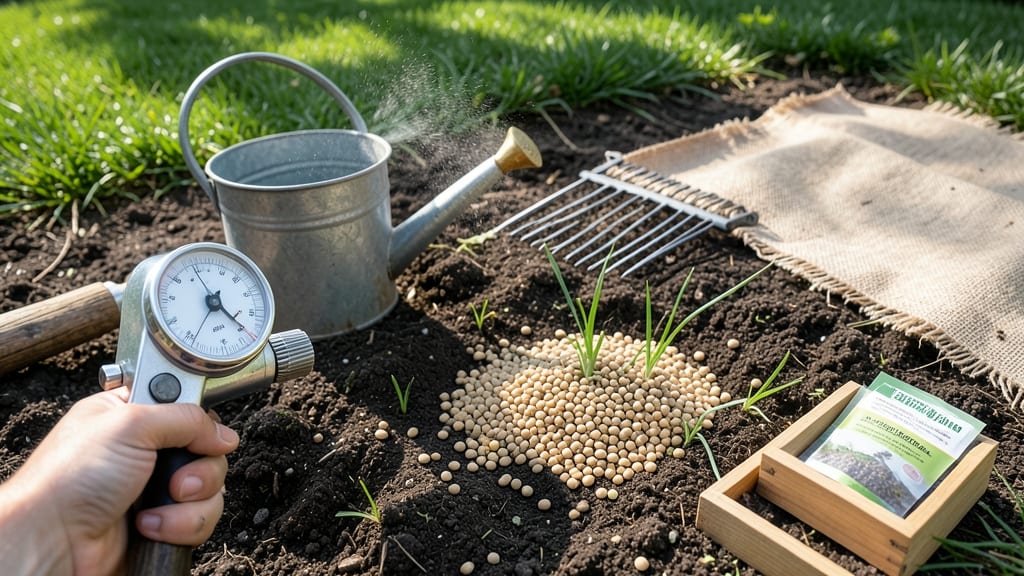
Speeding up grass seed germination starts with the right conditions—warmth, moisture, and just enough light to coax those stubborn seeds into action. 🌱 I’ve seen seeds take days instead of weeks when I nail these three factors, and the difference between a patchy lawn and a lush carpet of green comes down to how you prep the soil and care for it afterward.
The secret isn’t complicated: soil temperature should hit 70-75°F (use a soil thermometer if you’re unsure), water needs to stay consistently moist but not soggy, and a light layer of mulch keeps moisture locked in while blocking weeds.
Most people overwater or let the soil dry out—both kill germination faster than anything else. By following these steps, you’ll see those first green shoots in 5-7 days instead of waiting weeks. The grass will grow thicker, greener, and more uniform, with fewer bare spots to patch later.
And once you master this, you’ll never buy sod again. This works for cool-season grasses like fescue and ryegrass, as well as warm-season types like Bermuda and Zoysia. Just adjust the timing based on your climate—spring or fall are ideal for most regions. Let’s get those seeds sprouting!
📚 In This Guide
- What you need
- Instructions
- Tips and common mistakes
- Wrapping up and next steps
What you need
- ● Grass seed – Choose a high-quality variety suited to your climate (e.g., Kentucky Bluegrass, Fescue, or Bermuda). Aim for 1–2 lbs per 100 sq ft for new lawns.
- ● Lightweight soil or seed starter mix – 1–2 inches deep in your planting area (avoid heavy clay or compacted soil).
- ● Garden rake or hoe – For loosening soil and creating a fine, even seedbed.
- ● Watering can or hose with a gentle spray nozzle – Essential for consistent moisture (aim for ¼–½ inch of water per day).
- ○ Plastic sheeting or germination mat – Optional but helpful to retain moisture and warmth (cover 50–75% of the area to allow light penetration).
- ● Fertilizer (low-nitrogen, high-phosphorus) – 5-10-10 or 10-20-20 ratio, applied lightly (follow package rates).
- ○ Thermometer (optional) – To monitor soil temperature (ideal range: 65–75°F).
- ○ Garden twine or stakes (optional) – For securing plastic sheeting if using windy conditions.
- ● Sunlight access – 6+ hours of direct sun daily (partial shade works for cool-season grasses).
- ○ Soil pH test (optional but recommended) – Aim for 6.0–7.0 (use lime to raise or sulfur to lower pH if needed).
- ● Patience (but not too much!) – Germination can take 5–21 days, depending on grass type and conditions.
Step-by-Step instructions for speeding up grass seed germination
Here’s the method I’ve used to get grass sprouts in half the usual time—warmth, moisture, and light work together like a well-tuned engine.
🌱 Step 1: Prepare the Soil for Optimal Conditions
Start by loosening the top 2-3 inches of soil with a rake or tiller. Compacted soil blocks roots and slows germination. Break up clumps until the surface feels crumbly—like dry cake mix. This ensures seeds make contact with moist soil and have room to push through.
Remove any debris, rocks, or weeds that could smother seeds or compete for nutrients. A clean seedbed means fewer obstacles for your grass to overcome. If your soil is sandy, mix in 1 inch of compost to help retain moisture—sand drains too fast, and seeds dry out before sprouting.
💧 Step 2: Water Deeply Before Planting
Soak the prepared area with ½ inch of water the day before planting. The soil should feel damp 4-6 inches deep—like a wrung-out sponge. This pre-watering jumpstarts the germination process, so seeds don’t have to wait for moisture to reach them.
Water again immediately after planting, then maintain 1 inch of moisture daily for the first 10-14 days. Use a gentle sprinkler or soaker hose to avoid displacing seeds. You’ll know you’re doing it right when the top inch of soil stays consistently damp but not soggy—like a well-wrung dishcloth.
☀️ Step 3: Cover Seeds and Retain Warmth
Lightly rake the seeds into the soil at the depth recommended on the packet (usually ¼ inch deep for most grasses). Then, cover them with a thin layer of straw or peat moss—⅛ inch thick—to protect seeds from drying out and birds scattering them.
Place a clear plastic sheet or old window over the area to trap warmth and humidity. This creates a mini greenhouse effect, raising soil temperatures by 10-15°F, which speeds up germination. Check daily and remove the cover for 10 minutes to let fresh air circulate—condensation buildup can smother seeds.
⏰ Step 4: Monitor and Adjust for Faster Sprouts
Watch for the first signs of germination in 5-7 days under ideal conditions. You’ll see tiny green shoots poking through the soil—like tiny grassy hairs. Once 50% of seeds have sprouted, remove the plastic cover completely to prevent fungal growth from trapped moisture.
Keep the area moist but not waterlogged—soggy soil suffocates roots. If germination slows after the first week, your soil may have dried out. Water lightly again and check for adequate sunlight. Grass seeds need 6+ hours of sun daily to germinate quickly; shade delays the process by days or even weeks.
🌿 Step 5: Thin and Strengthen Young Grass
Once seedlings reach 2-3 inches tall (about 2-3 weeks after planting), thin them to ½ inch apart to reduce competition. Use scissors to snip excess plants at soil level—pulling risks uprooting healthy neighbors. This step might seem cruel, but it ensures stronger, faster-growing grass.
After thinning, water deeply once more to help roots establish. Avoid walking on the area for 2 weeks—young grass is fragile and can be easily damaged. Within 4-6 weeks, you’ll have a lush, uniform lawn if you’ve kept the soil moist and warm.
Tips & tricks for perfect grass seed germination
These little-known tricks will help you bypass the waiting game and get those grass sprouts popping up faster than you can say "lawn care."
The Soil Texture Secret: After loosening those top 2-3 inches of soil in Step 1, run your fingers through it one last time to check for any remaining clumps. Think of it like testing cake batter—it should crumble easily between your fingers. If you find any stubborn clods, break them up with your hands or a hand trowel. This final check ensures seeds make direct contact with moisture, which is half the battle for speedy germination.
Watering Precision: When maintaining that 1 inch of moisture daily (Step 2), here's the trick: water in the early morning so the soil has time to absorb moisture before the heat of the day. Use a rain gauge or tuna can to measure exactly 1 inch—most sprinklers deliver 2-3 times that amount! Overwatering is just as deadly as underwatering for young seeds. I always check moisture by squeezing a handful of soil—it should feel like a damp sponge, not a dripping wet washcloth.
Warmth Hack: The 10-15°F temperature boost from your plastic cover (Step 3) works wonders, but here's how to maximize it: place the cover on the south side of your yard if you're in the Northern Hemisphere. This captures the most direct sunlight. For extra warmth, lay down black plastic sheeting under the cover—it absorbs heat during the day and radiates it back at night. Just remember to remove the cover for those 10-minute air breaks to prevent mold buildup.
Sunlight Strategy: If your yard gets less than 6 hours of sun daily (Step 4), consider planting in a raised bed or container where you can move it to catch sunlight. Even just 2 extra hours of sun can cut germination time by 3-4 days. I've seen dramatic differences when moving containers between shaded and sunny spots throughout the day. For partial shade areas, choose shade-tolerant grass seed varieties—they're bred to germinate faster in lower light conditions.
Pro Tips for Speed Up Grass Seed Germination
- These little-known tricks will help you bypass the waiting game and get those grass sprouts popping up faster than you can say "lawn care."
- The Soil Texture Secret: After loosening those top 2-3 inches of soil in Step 1, run your fingers through it one last time to check for any remaining clumps.
- Watering Precision: When maintaining that 1 inch of moisture daily (Step 2), here's the trick: water in the early morning so the soil has time to absorb moisture before the heat of the day.
Frequently asked questions
Got questions about speeding up grass seed germination? You’re not alone—here are some common ones we hear (and the answers you need!).
How long does it usually take for grass seed to germinate?
Most grass seeds sprout within 7 to 21 days, depending on the type (cool-season vs. warm-season) and conditions. With ideal warmth (60–75°F), moisture, and light, you’ll often see sprouts in 5–10 days. Patience is key—don’t disturb the soil while waiting!
Can I speed up germination in cold weather?
Yes! If temps drop below 50°F (10°C), cover the seeded area with a thin layer of straw or a breathable frost blanket to retain heat. For extra warmth, use a seedling heat mat (set to 70–80°F) or wait until soil temps rise naturally. Avoid plastic—it traps too much moisture and can suffocate seeds.
What if my grass seed isn’t sprouting after 3 weeks?
Don’t panic! First, check for even moisture—dry soil is the #1 killer of slow germination. Try lightly scratching the surface to expose seeds to air, or soak the area with a spray bottle (avoid heavy water pressure). If seeds are old (>1 year), they may have lost viability—test a few in a damp paper towel to see if they sprout.
Does sunlight help, or should I keep seeds in shade?
Grass seeds need light to germinate! Once planted, keep them in bright, indirect light (like a sunny windowsill or under grow lights). Direct midday sun can dry out soil too quickly, but 6+ hours of light daily is ideal. If using shade cloth, choose a 30–50% block to filter harsh rays.
Can I use household items (like coffee grounds or vinegar) to speed up germination?
Skip the vinegar—it’s too acidic and can harm seeds! However, used coffee grounds (in moderation) add nitrogen and improve soil texture. A better bet: hydrogen peroxide (3%) diluted in water (1:10 ratio) to sterilize soil and boost oxygen flow. For a natural boost, try a seaweed extract spray (rich in growth hormones).
What’s the best way to test if my grass seed is still viable?
Do the paper towel test: Moisten a paper towel, place 10 seeds inside, fold it, and seal in a plastic bag. Store in a warm (70°F) spot for 5–7 days. If 50% or more sprout, your seed is good; below that, it’s time to buy fresh seed. Pro tip: Label your seed packets with purchase dates to track freshness!
Wrapping up and next steps
Speeding up grass seed germination is all about creating the perfect conditions—warmth, moisture, and light—while avoiding common pitfalls like overwatering or poor soil prep. With the right techniques, you can transform a patchy lawn into a lush green carpet in record time! 🌱
Now that you’re armed with the best strategies, it’s time to roll up your sleeves and get growing.
Start by testing your soil, prepping the area, and applying your chosen method—whether it’s a DIY germination blanket or a simple watering schedule. Patience pays off, but so does action! Happy planting! 🌟