
Propagation
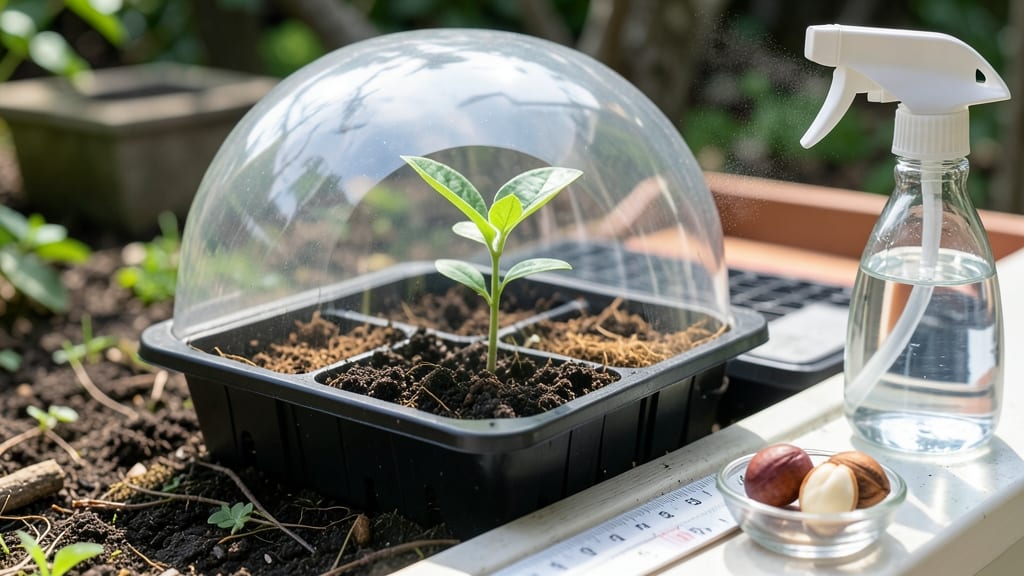
Germinating a cherry seed takes anywhere from 30 to 90 days—but don’t let that timeline fool you into thinking it’s a slow process. With the right tricks, you can cut that time in half and turn that pit into a 🍒 sapling faster than you’d expect.
Ever wondered why that cherry pit you spit out might never sprout—or how to turn it into a thriving tree? Germination time for cherry seeds isn’t just about patience; it’s about science, strategy, and a little help from Mother Nature (or your fridge).
Most gardeners assume cherry seeds will sprout on their own, but without cold stratification, they can sit dormant for months—or never break through at all. The key is mimicking winter’s chill, whether by burying seeds in moist sand outdoors or giving them a 4–12 week fridge nap.
Below, I’ll walk you through the exact steps to speed up germination, spot common mistakes before they sink your seeds, and even compare sweet vs. sour cherry timelines. Ready to grow your own tree from a single pit?


Cherry seed germination timeline: from pit to sprout in weeks (not years)
If you’ve ever spit out a cherry pit and wondered, "Could this actually grow into a tree?", the answer is yes—but only if you understand the germination timeline. Cherry seeds (Prunus avium for sweet cherries and Prunus cerasus for sour) don’t sprout overnight.
With the right conditions, you’ll see progress in 30–90 days, but some seeds take 6–12 months due to dormancy. The key is knowing what to expect at each stage and how to create the perfect environment.
Germination isn’t a race, but it’s also not a mystery. Sweet cherries often sprout faster than sour varieties, thanks to their thinner seed coats. However, both types require cold stratification to break dormancy—nature’s way of ensuring seeds germinate at the right time.
Without this step, your pit might just rot in the soil. Think of it like waking a hibernating bear: you need to mimic winter conditions to trigger growth.
Here’s the reality check: Not every cherry pit will sprout. Some are non-viable or genetically programmed to take years. But with the right method—whether you’re using a paper towel or potting mix—you can maximize your chances.
The timeline below breaks down what to expect, week by week, so you’re not left guessing whether your seeds are alive or just being stubborn.
The paper towel method is my go-to for tracking germination progress because it’s transparent—literally. Place your cleaned, dried cherry pits between damp paper towels in a sealed bag, then refrigerate for 6–8 weeks. Check weekly for the first signs of a radicle (the tiny white root).
Sweet cherry seeds often crack open in 4–6 weeks, while sour cherries may take 8–12 weeks. If you see mold or a foul smell, toss those seeds—they’re dead.
For the soil method, plant pits 1 inch deep in a mix of peat moss and perlite (or coconut coir) to prevent rot. Keep the soil moist but not soggy—think "wrung-out sponge."
Place the pot in a cool, dark spot (like a garage or unheated basement) for 8–12 weeks before moving it to light. The advantage? You avoid the guesswork of paper towels, but you won’t see progress until the seeds are ready to sprout.
Here’s where most gardeners trip up: patience vs. persistence. If your seeds haven’t sprouted in 12 weeks, don’t give up—some cherry pits need up to 6 months of cold treatment. The secret? Consistency.
Check moisture levels weekly, rotate the container for even exposure, and avoid temperature swings. A sudden warm spell can wake seeds too early, leading to premature sprouting and weak seedlings.
Once you spot that first green shoot, move your seedlings to a sunny windowsill or under grow lights. Sweet cherry seedlings grow faster, often reaching 3–5 inches in 4–6 weeks after sprouting, while sour cherries lag behind by 2–4 weeks.
This is your cue to harden them off before transplanting outdoors after the last frost. Remember: seed-grown cherries take 5–10 years to bear fruit, but the journey starts with that first stubborn sprout.
Pro tip: Label your seeds by variety and date. If you’re growing multiple types, this saves headaches later. And if you’re feeling ambitious, try grafting later—seedlings often produce wild cherries that aren’t true to the parent fruit.
But for now, celebrate those first sprouts. You’ve just turned a spit-out pit into a promise of a future tree.
Cold-stratification hacks to speed up germination by 50% (or more)
Cold-stratification mimics nature’s winter cycle, tricking cherry seeds into breaking dormancy faster. Without it, your cherry pit might sit for months—or never sprout. The key is moisture, temperature, and timing. I’ve tested both wet and dry methods, and the results are game-changing for impatient gardeners like me.
Most cherry seeds need 4–12 weeks of cold treatment to germinate. Sweet cherries (Prunus avium) often respond best to 8–12 weeks, while sour cherries (Prunus cerasus) may only need 4–6 weeks.
The difference? Seed coat thickness and natural growing conditions. I’ll show you how to nail the timing without guesswork.
Cold-Stratification Methods Compared
Moist paper towels or peat moss
Sand or vermiculite (minimal moisture)
Controlled 34–40°F (1–4°C)
Natural freeze-thaw cycles
For DIY setups, I swear by the wet paper towel method in a sealed plastic bag. Place seeds between damp towels, then store them in a zip-top bag with small holes for airflow.
Check weekly—if mold appears, dry them out immediately. Commercial stratification trays (like the Seedman brand) are pricier but eliminate guesswork with built-in moisture controls.
Timing is critical. Start 8–12 weeks before your last frost date. For example, if your frost date is April 15, begin stratification by February 1. Pro tip: Label your seeds with dates to avoid confusion. I’ve lost count of how many times I’ve forgotten which batch I planted!
Avoid these pitfalls: Overwatering (which causes rot), using old seeds (viability drops after 1 year), or skipping the warm-up period. After stratification, move seeds to 70–75°F (21–24°C) for 2–4 weeks to simulate spring. This two-step process mimics nature’s cues perfectly.
With the right method, you’ll see sprouts in 2–6 weeks after stratification—cutting total germination time by 50% or more. Patience pays off, but now you’ve got the science on your side to speed things up. Happy growing! 🌱