
Vegetables
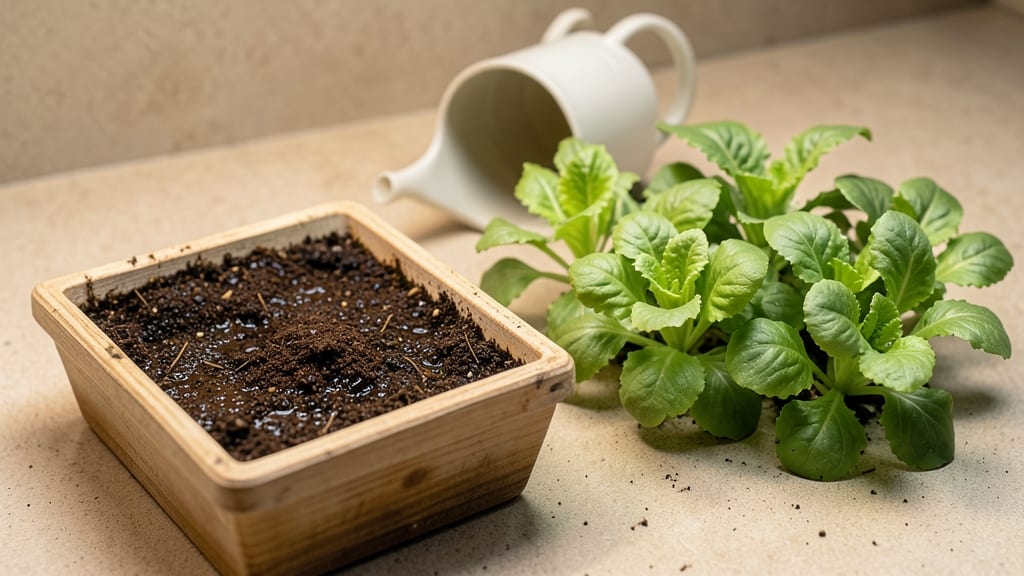
This vegetable identification chart is your lifesaver when those tiny seedlings stare back at you—because one wrong label can mean a wasted season. 🌱 I’ve spent years squinting at leaf shapes and counting veins to figure out what I’m actually growing—and let me tell you, confusion is the fastest way... to accidentally toss out your best plants.
This visual guide solves that problem with a chart that breaks down 50+ common vegetable seedlings by their most defining traits.
The key is focusing on just three things: leaf shape (round, serrated, lobed), color (deep green, purple-tinged, variegated), and growth pattern (slow and bushy vs. fast and leggy).
For example, basil seedlings have rounded leaves with a slight point, while parsley’s are finely divided like fern fronds—easy to spot once you know what to look for. The chart even includes care notes for each stage, so you’re not just identifying but also nurturing correctly.
By the time you’ve memorized these patterns, you’ll spot the difference between a pepper and a tomato seedling in seconds. No more guessing, no more wasted flats, and no more sad stories about "mystery greens" that never produced.
The chart works for both beginners and seasoned gardeners—just print it out and keep it handy while you’re potting up.
Pro tip: Take photos of your seedlings as they grow and compare them side by side with the chart. Over time, your brain will start recognizing patterns faster than your eyes can focus. Ready to stop the guesswork and start growing with confidence?
📚 In This Guide
- What you need
- Instructions
- Tips and common mistakes
- Wrapping up and next steps
What you need
- ● Printed or digital reference guide: A Vegetable Seedling Identification Chart (printable PDF or digital template) covering 50+ common seedlings (e.g., tomatoes, peppers, herbs). Pro tip: 💡 Use high-resolution images (300 DPI) for clarity!
- ● Ruler or measuring tape: 12-inch (30 cm) for precise measurements of seedling features (e.g., leaf shape, stem thickness).
- ● Colored pencils or markers: Set of 10–15 colors (green, red, blue, brown) for labeling and highlighting key traits.
- ● Labeling tape or sticky notes: 1 roll (1/2-inch width) to mark seedlings in your garden.
- ○ Magnifying glass (optional but helpful): 2x–4x magnification to inspect fine details like leaf veins or hairiness.
- ● Healthy seedlings: 50+ starts (or photos of them) for accurate comparison—include common varieties like basil, kale, carrots, and squash.
- ● Notebook or chart poster board: 11x17 inches (28x43 cm) for a portable, large-format chart.
- ● Scissors or craft knife: For trimming images or adjusting chart layouts.
- ○ Laminator (optional):strong> To protect your chart from weather if used outdoors.
- ● Design software: Canva, Adobe Illustrator, or even Microsoft PowerPoint for customization.
- ● High-quality images: Download free seedling photos from sites like blank">Pexels or blank">Unsplash (ensure proper licensing!).
How to identify common vegetable seedlings
Here's how I tell my seedlings apart—no more guessing which one's which!
🌱 Step 1: Examine Leaf Shape and Arrangement
The first thing I check is the leaf shape and how they grow. True leaves (the second set after the initial cotyledons) reveal everything. For example, tomato seedlings have serrated, jagged edges and grow in a spiral pattern, while pepper seedlings have smooth, oval leaves that grow in a more orderly, alternate pattern.
Carrot seedlings have feathery, fern-like leaves that look almost like dill, while lettuce seedlings have broad, rounded leaves that grow in a rosette shape. I always compare them to a reference chart—this is where those first true leaves make all the difference.
🌿 Step 2: Check Stem and Growth Habit
Next, I look at the stem. Seedlings with hairy stems are usually tomatoes or potatoes, while smooth stems often belong to peppers or eggplants. The way the plant grows also matters: vining plants like cucumbers and squash will have long, trailing stems even as seedlings, while bush varieties stay compact.
If the seedling has a thick, woody stem at the base, it’s likely a brassica like cabbage or broccoli. Thin, delicate stems usually mean herbs or leafy greens. I always run my fingers along the stem to feel for texture—this helps me rule out mistakes right away.
☀️ Step 3: Observe Cotyledons and True Leaves
Cotyledons (the first leaves) give clues too. If they’re round and smooth, it’s probably a legume like peas or beans. If they’re pointy and lobed, it’s likely a brassica. But here’s the key: true leaves tell the real story. Once they appear, I ignore the cotyledons—they’re just the plant’s first attempt at photosynthesis.
For instance, basil seedlings have pointed, oval leaves with serrated edges, while parsley seedlings have finely divided, fern-like leaves. I keep a small notebook by my seedling tray and jot down these details—it saves me from swapping plants later when they’re bigger and harder to move.
✂️ Step 4: Compare to a Reference Chart
No matter how confident I am, I always cross-reference with a trusted seedling chart. I print one out and tape it to my workbench so I can compare side by side. Look for color, size, and shape matches—some seedlings, like those of beets and chard, can look nearly identical until their true leaves emerge.
If I’m still unsure, I wait a day or two. Sometimes, the next set of leaves will have a distinct shape or pattern that makes the identification clear. For example, Swiss chard seedlings develop bright red or yellow veins that are unmistakable once they’re a few inches tall.
🪴 Step 5: Use Light and Growth Speed as Clues
Some seedlings grow faster than others, and that can be a hint. Fast-growing seedlings like radishes or lettuce will have multiple true leaves within 10-14 days, while slower growers like tomatoes or peppers take 3-4 weeks to develop their first true leaves. If I see a seedling with large, broad leaves popping up quickly, it’s probably a leafy green.
Light exposure also plays a role. Seedlings grown under grow lights tend to have a more uniform appearance, while those in natural light might show slight variations in color or shape. I always keep my seedlings under consistent lighting to avoid confusion—this way, I can trust the chart comparisons more.
Tips & tricks for mastering seedling identification
When it comes to telling your seedlings apart, these little details make all the difference—and save you from gardening mistakes later.
True Leaves Are Your Best Friend: In Step 1, focus on the second set of leaves (true leaves) rather than the first (cotyledons). True leaves are where the real clues lie—like tomato seedlings with their jagged edges or carrot seedlings mimicking dill. I've caught more than one mix-up by ignoring cotyledons and zeroing in on these true leaves instead.
Texture Tells the Story: Step 2 isn't just about looking—it's about feeling. Run your fingers along the stem to check for hairiness (tomatoes/potatoes) or smoothness (peppers/eggplants). The texture difference is like night and day. I keep a small notebook by my seedling tray to jot down these tactile clues—it's saved me from swapping plants I couldn't identify by sight alone.
Growth Speed as a Clue: In Step 5, remember that growth rate matters. Fast growers like radishes or lettuce show multiple true leaves within 10-14 days, while tomatoes or peppers take 3-4 weeks. This timing difference is a game-changer when you're comparing seedlings side by side. I always keep a chart tracking expected growth windows for each type.
Lighting Consistency Matters: The lighting under which your seedlings grow affects their appearance. Grow lights create uniform seedlings, while natural light might show subtle variations. I've learned the hard way that inconsistent lighting can make identification charts less reliable—so I keep my seedlings under consistent conditions to trust my comparisons.
Pro Tips for Vegetable Seedling Identification Chart
- When it comes to telling your seedlings apart, these little details make all the difference—and save you from gardening mistakes later.
- True Leaves Are Your Best Friend: In Step 1, focus on the second set of leaves (true leaves) rather than the first (cotyledons).
- Texture Tells the Story: Step 2 isn't just about looking—it's about feeling.
Frequently asked questions
Got questions about identifying your vegetable seedlings? You’re not alone!
Here are the most common concerns—plus quick answers to help you grow with confidence.
How do I know if my seedlings are healthy or diseased?
Healthy seedlings have vibrant leaves (no yellowing or spots), sturdy stems (not limp or mushy), and strong roots (white, not brown or moldy). Watch for powdery mildew (white dust), damping-off (wilting at the base), or pests (chewed leaves, holes). Isolate affected plants and adjust watering or airflow if needed.
When is the best time to transplant seedlings outdoors?
Transplant when seedlings have 2–4 true leaves (not just cotyledons—the first baby leaves) and nighttime temps stay above 50°F (10°C). For cold-sensitive plants (like tomatoes or peppers), wait until after the last frost and harden them off first—acclimate them to outdoor conditions over 5–7 days.
What if my seedlings look different from the chart? Are they still edible?
Most seedlings will vary slightly in color or shape, but leaf shape and growth pattern are key. If yours have serrated edges (like lettuce), hairy stems (tomato), or compound leaves (peas), they’re likely correct. Never eat unidentified seedlings—double-check with a chart or consult a local gardening expert if unsure.
Can I use a seedling ID chart for herbs too, or do I need a separate guide?
Some charts cover herbs like basil, cilantro, or dill, but herbs often have very different early growth compared to veggies. For tricky ones (e.g., mint vs. oregano), look for herb-specific guides or note their aroma—crush a leaf to sniff! Seedling leaves may not smell strong yet, though.
What should I do if my seedlings are leggy or stretched out?
Leggy seedlings happen from too little light. Move them to a sunnier spot (a south-facing window or grow light) and bury deeper when transplanting—up to the first true leaves—to encourage root growth. Avoid overcrowding and use reflective surfaces (like aluminum foil) to bounce light around.
Are there alternatives to a printed chart for identifying seedlings?
Yes! Try these free, digital-friendly options:
- Apps: GrowVeg, PlantNet, or Seedling ID (upload photos for AI matching).
- YouTube: Search “[Your Seedling Type] seedling identification.”
- Local Extension Offices: Many offer free plant ID services via email or forums.
- Social Media: Post in gardening groups (e.g., r/Gardening on Reddit) with photos.
Wrapping up and next steps
Mastering your vegetable seedlings just got easier!
With this vegetable seedling identification chart, you’re now equipped to spot the early signs of your garden’s future harvest—whether it’s the delicate leaves of a basil sprout or the sturdy stems of a young tomato plant. 🌱 Confidence in identification means fewer surprises and more thriving plants, so don’t hesitate to print, bookmark, or save this guide for your next gardening session.
Ready to take the next step? Start planting with purpose! Grab your seedlings, head to the garden, and watch your green thumb grow even stronger. Happy gardening! 🌿