
Lawn
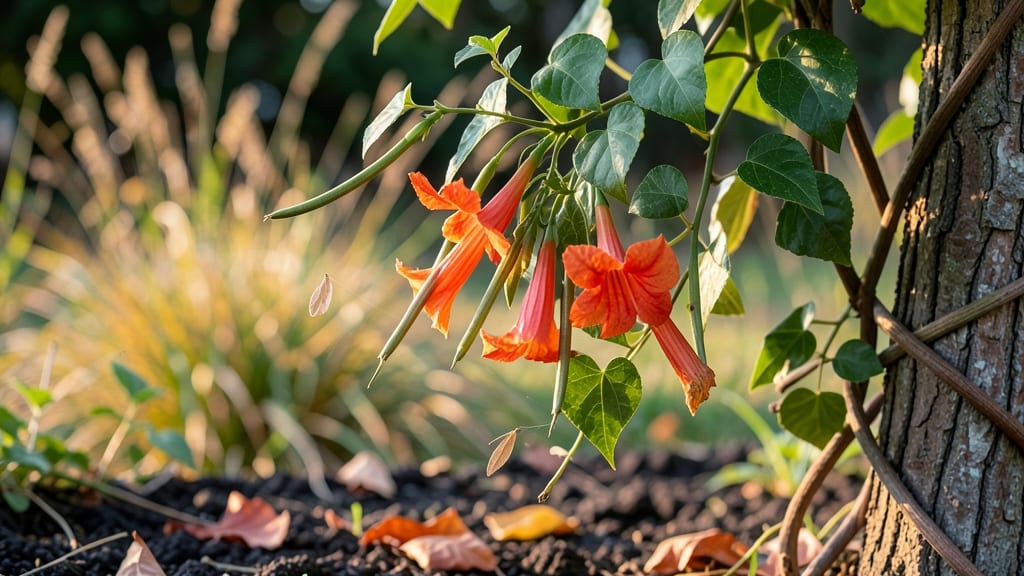
Harvesting trumpet creeper seed pods at the right moment means reliable growth next spring—those papery pods turn from green to brown just before seeds ripen. 🌿 I’ve learned the hard way that waiting too long means seeds scatter, but harvesting too early leaves them underdeveloped.
The key is timing: collect pods when they’re dry and starting to split open, usually in late summer or early fall, before the first frost. Once you’ve gathered them, drying the pods indoors for a few weeks ensures the seeds release cleanly.
Spread them on newspaper in a warm, dry spot—no need for fancy equipment—just patience. After drying, crack open the pods to extract the flat, winged seeds inside.
These seeds need a little help to break dormancy, which is where cold stratification comes in: place them in a damp paper towel inside a sealed bag and refrigerate for 4-6 weeks to mimic winter conditions.
When spring arrives, plant the stratified seeds in well-draining soil, about ¼ inch deep, in a sunny spot. Keep the soil consistently moist but not soggy, and expect germination in 2-4 weeks.
Young seedlings need protection from strong winds and direct afternoon sun until they’re sturdy enough to handle outdoor conditions. With the right care, you’ll see those vibrant orange trumpet-shaped blooms within a year or two.
For best results, start with fresh seeds—viability drops after a year—and avoid overwatering, which can cause seed rot. If you’re in a colder climate, consider starting seeds indoors 6-8 weeks before your last frost date. The payoff?
A fast-growing, hardy vine that thrives in full sun and adds dramatic color to fences, trellises, or even old tree stumps.
📚 In This Guide
- What you need
- Instructions
- Tips and common mistakes
- Wrapping up and next steps
What you need
- ● Mature trumpet creeper seed pods: Collect at least 10-15 fully ripe, brown pods (late summer/fall). Avoid green or unripe ones!
- ● Pruning shears or sharp scissors: For harvesting pods without damaging the vine.
- ● Paper bags or breathable mesh bags: 2-3 bags to store pods while drying (avoid plastic—it traps moisture!).
- ● Newspaper or paper towels: For spreading pods to dry evenly.
- ● Plastic zip-top bags: 1-2 quart-sized bags for cold stratification (seal tightly!).
- ● Refrigerator or cold stratification setup: A consistent 34–40°F (1–4°C) space (like a fridge crisper drawer).
- ● Potting soil: Well-draining, seed-starting mix (avoid garden soil—it’s too dense!).
- ● Small pots or seed trays: 2–4 inch pots or trays with drainage holes.
- ● Spray bottle: For lightly misting soil (keeps seeds hydrated without overwatering).
- ● Grow lights or sunny windowsill: A south-facing window or LED grow light (12–16 hours/day) for germination.
- ● Seed germination mat: Keeps soil warm (70–75°F / 21–24°C) to speed up sprouting.
- ● Humidity dome or plastic wrap: Creates a mini greenhouse for faster germination.
- ● Labeling tags: Mark pods by harvest date or location (trumpet creeper can take 4–6 weeks to germinate!).
- ● Garden gloves: Protects hands from mildly irritating sap in trumpet creeper pods.
- ● Outdoor space or trellis: Plan ahead—this vine grows 15–20 feet per year! (Choose a sturdy support early.)
Step-by-Step instructions for harvesting and preparing trumpet creeper seed pods
Here's exactly how I transform fresh trumpet creeper seed pods into reliable, germinating seeds.
🌿 Step 1: Harvest Mature Seed Pods at Peak Ripeness
Wait until the pods turn a deep brown color and begin splitting open naturally—this usually happens in late fall. I look for pods that have dried on the vine but haven't released their seeds yet. Use clean pruning shears to snip the pods from the vine, leaving a small stem attached to prevent seed loss during handling.
Harvest on a dry day to avoid moisture getting trapped inside the pods. Place them immediately in a paper bag with small holes punched in the sides for airflow. This prevents mold while keeping seeds contained. If you miss the perfect timing, you can still use slightly green pods—they'll just need extra drying time.
🪴 Step 2: Dry the Pods Thoroughly Before Extraction
Spread the harvested pods in a single layer on a mesh screen or paper towel in a warm, dry location with good air circulation. I place mine on top of my refrigerator overnight where it stays consistently around 65-70°F. The pods need 5-7 days to fully dry—you'll know they're ready when they feel completely papery and make a hollow sound when tapped.
Don't rush this step. Overly moist pods will mold during cold stratification, ruining your entire batch. Check daily by gently squeezing a pod—if it still feels slightly damp inside, give it another day. Once fully dry, store them in an envelope labeled with the harvest date and variety.
⏰ Step 3: Extract Seeds and Prepare for Cold Stratification
Open the completely dry pods by gently crushing them with your fingers or rolling them on a hard surface. The seeds will naturally separate from the chaff. I use a fine-mesh strainer to sift out any remaining pod fragments, leaving only clean seeds behind. Count your yield—you should have enough for 4-6 plants from a single harvest.
Place the clean seeds in a sealed plastic bag with a damp (not soaking) paper towel. Add enough water to moisten the towel thoroughly, then squeeze out excess. The goal is for the towel to stay consistently damp but not dripping. Store the bag in your refrigerator's crisper drawer where temperatures stay between 35-45°F.
❄️ Step 4: Cold Stratify for 60-90 Days
Leave the seeds in cold stratification for 60-90 days—this mimics winter conditions and breaks dormancy. Check the seeds every 2 weeks by removing them from the fridge for a few minutes. If any seeds begin sprouting, they're ready to plant immediately. Most trumpet creeper seeds need the full 90 days for best germination rates.
After stratification, remove the seeds and let them sit at room temperature for 24 hours before planting. This prevents temperature shock to the tender sprouts. Plant them ¼ inch deep in well-draining soil and keep the surface moist but not soggy. You'll see germination in 2-4 weeks if everything went right.
☀️ Step 5: Plant Stratified Seeds in Warmth
Use the prepared seed-starting mix you've kept ready. Fill containers to within ½ inch of the rim, then press the soil down lightly to create a firm planting surface. Plant 2-3 seeds per cell at the ¼ inch depth mentioned earlier, spacing them evenly. Cover lightly with additional soil and mist gently with water until the surface looks evenly damp.
Place the containers in a warm location with bright indirect light—a south-facing window works well. Keep the soil consistently moist by checking the top inch daily. You'll notice the first true leaves emerge in 2-3 weeks, signaling that your stratification worked perfectly. Thin to the strongest seedling per cell once they reach 2 inches tall.
Tips & tricks for perfect trumpet creeper seed germination
These little-known details make all the difference between struggling with trumpet creeper seeds and watching them thrive.
Harvest Timing Secret: The pods should be deep brown but still mostly intact—this is your sweet spot between overripe and underripe. I've found that harvesting on a cloudy morning gives me the freshest pods, as dew helps prevent moisture from getting trapped inside during the initial drying process. If you accidentally harvest slightly green pods, don't panic—just extend your drying time by 2-3 extra days to compensate.
Drying Technique: In Step 2, that 5-7 day drying period at 65-70°F is non-negotiable for trumpet creeper seeds. I've ruined batches by rushing this step, so here's my trick: Place a small fan nearby on low setting to create gentle airflow without creating drafts. This helps maintain even drying while preventing the pods from becoming brittle. The hollow-sound test is your best indicator—tap a pod with your fingernail, and if it sounds like a drum, it's ready.
Stratification Strategy: During the 60-90 day cold stratification in Step 4, I like to mark my calendar with the exact start date and set a reminder for the 2-week check-ins. Most seeds won't sprout before 60 days, but if you see any early sprouts, plant those immediately—they'll be your first successful plants. The key is maintaining that consistent 35-45°F temperature without fluctuations. If your fridge runs hotter, consider using a seed stratification fridge or even a DIY setup with a cooler and ice packs.
Planting Precision: When you're ready to plant in Step 5, use a toothpick to make those ¼-inch deep holes—it gives you much more control than your finger. I've also found that gently pressing the soil surface after planting helps create better soil-to-seed contact. The 2-3 seeds per cell gives you insurance against germination failures, and thinning later ensures your strongest plants get all the nutrients.
Pro Tips for Trumpet Creeper Seed Pods
- These little-known details make all the difference between struggling with trumpet creeper seeds and watching them thrive.
- Harvest Timing Secret: The pods should be deep brown but still mostly intact—this is your sweet spot between overripe and underripe.
- Drying Technique: In Step 2, that 5-7 day drying period at 65-70°F is non-negotiable for trumpet creeper seeds.
Frequently asked questions
Got questions about trumpet creeper seed pods?
You’re not alone! Here are answers to the most common queries—from harvesting to growing—so you can tackle your project with confidence.
When is the best time to harvest trumpet creeper seed pods?
Harvest seed pods after they turn brown and papery (usually late summer to early fall). Wait until they split open naturally—green pods won’t yield viable seeds. If pods shatter too quickly, collect them as soon as they brown but before they release seeds. Pro tip: Morning harvests reduce humidity, helping pods dry faster.
How long does it take for trumpet creeper seeds to germinate?
Trumpet creeper seeds require cold stratification (6–8 weeks in the fridge) before germinating. After stratification, germination typically takes 2–4 weeks in warm, moist soil (70–75°F). Patience is key—some seeds may take longer, especially if stored improperly. Troubleshooting: If no sprouts appear after 6 weeks, check moisture levels (keep soil damp, not soggy).
Can I grow trumpet creeper from seed pods without cold stratification?
Cold stratification mimics winter conditions and breaks seed dormancy—skipping it often results in very low or no germination. However, you can try soaking seeds in warm water for 24 hours before planting, though success rates drop significantly. For reliable growth, always stratify seeds. Alternative: Buy pre-stratified seeds or layer pods in a damp paper towel in the fridge.
What should I do if my trumpet creeper seedlings look weak or leggy?
Leggy seedlings usually mean too little light. Move them to a bright, indirect spot (e.g., a sunny windowsill) immediately. If soil is dry, water gently to avoid shocking roots. For extra support, use a small stake or mesh cage. Prevention: Start seeds in a well-lit area or under grow lights to avoid stretching. Bonus: Pinch back the tallest stems to encourage bushier growth.
How do I store trumpet creeper seed pods for next year?
Clean and dry pods thoroughly (3–5 days in a dry, shaded spot), then store them in a paper envelope or breathable bag with a silica gel packet to absorb moisture. Keep in a cool, dark place (like a pantry) where temps stay below 40°F. Label with the harvest year—viability lasts 1–2 years if stored properly. Warning: Avoid plastic containers to prevent mold.
Will trumpet creeper grow in my climate? What’s the hardiness zone?
Trumpet creeper thrives in USDA Zones 4–9, making it adaptable to most U.S. regions. In colder zones (4–6), plant in spring after the last frost and protect young plants with mulch. In warmer zones (7–9), it may need afternoon shade to prevent leaf scorch. Climate tip: If you’re in Zone 3 or below, grow it as an annual or overwinter seeds indoors.
Wrapping up and next steps
Harvesting, drying, and cold-stratifying trumpet creeper seed pods might seem like a detailed process, but with patience and the right techniques, you’ll unlock a rewarding way to grow these stunning vines from scratch! 🌱 Whether you’re aiming for a vibrant garden backdrop or a lush trellis, these steps ensure strong, healthy seedlings ready to thrive.
Now that you’re equipped with the know-how, why not give it a try? Grab those pods, follow your plan, and enjoy the beauty of trumpet creepers blooming in your outdoor space next season!