
Lawn
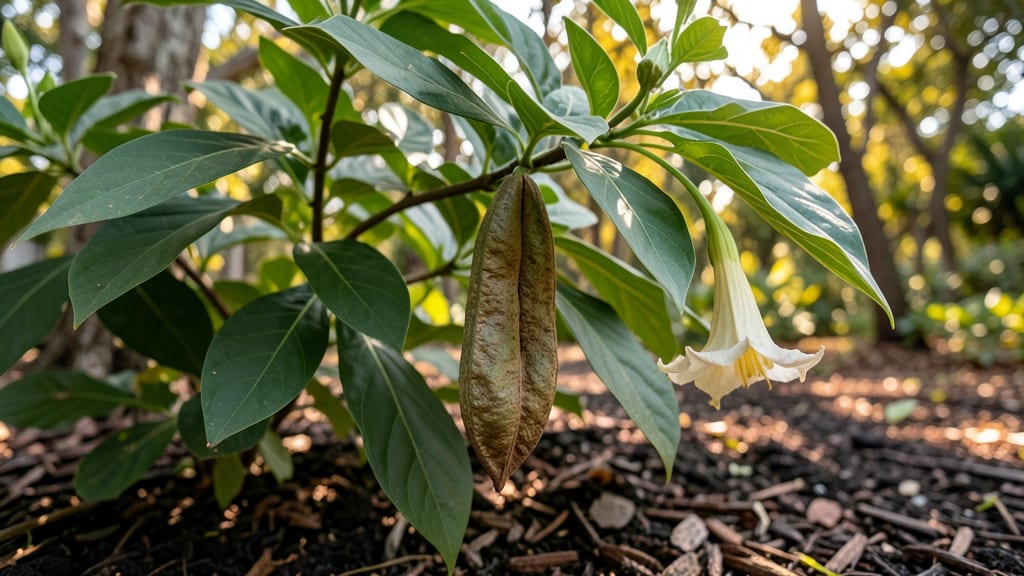
Angel trumpet seed pods hold the secret to growing these stunning, fragrant bloomers from scratch—if you know how to break their stubborn dormancy. 🌿 I’ve wrestled with these tricky seeds for years, and the key lies in proper extraction, storage, and a little patience (plus a heat mat to speed things along).
The pods themselves are deceptively simple: harvest them when they turn brown and papery, then crack them open to reveal the flat, dark seeds inside. Not all seeds will sprout—test viability by soaking a few in water for 24 hours to see which ones sink (those are your best bets).
Planting too early is the biggest mistake; wait until after your last frost when soil warms to at least 60°F, and germination can take 4-8 weeks—sometimes longer. Once sprouted, these seedlings grow fast but need consistent moisture and protection from wind.
The first true leaves signal it’s time to harden them off, and within a season, you’ll have a plant that’ll reward you with 6-foot-tall trumpets of blooms—just be sure to wear gloves when handling them (all parts are toxic).
For those in cooler climates, start seeds indoors 10-12 weeks before transplanting. The payoff? A garden center can’t sell you the unique varieties you’ll grow from these pods. Here’s how to make it work—without the frustration.
📚 In This Guide
- What you need
- Instructions
- Tips and common mistakes
- Wrapping up and next steps
What you need
- ● Angel trumpet seed pods (10–20 pods, depending on desired quantity of plants)
- ● Well-draining potting mix (3–5 gallons, sterile and lightweight)
- ● Seed-starting trays or small pots (6–8 inches deep, with drainage holes)
- ● Plastic wrap or humidity dome (to retain moisture)
- ● Spray bottle (for gentle watering)
- ○ Fertilizer (optional but recommended)—use a balanced, water-soluble fertilizer (e.g., 10-10-10) diluted to half-strength
- ● Scissors or pruning shears (for opening seed pods)
- ● Fine-mesh strainer or sieve (to separate seeds from pulp)
- ○ Heat mat (optional but helpful)—set to 70–80°F (21–27°C) for faster germination
- ● Grow lights or sunny windowsill (12–16 hours of light daily)
- ○ Thermometer (optional)—to monitor soil temperature (ideal: 75–85°F / 24–29°C)
- ● Patience! Angel trumpet seeds require 3–6 months of dormancy-breaking before germination.
- ● Access to a warm, humid environment (or a way to create one).
- ● Basic knowledge of seed stratification (cold-moist treatment) or scarification (nick seeds gently).
Step-by-Step guide to breaking angel trumpet seed dormancy
Here’s how to coax those stubborn seed pods into sprouting with confidence.
🌱 Step 1: Harvest and Dry the Seed Pods
Collect mature seed pods when they turn brown and papery—this usually happens in late fall or early winter. Let them dry completely in a warm, dry place for 2-3 weeks before processing. I spread mine on a mesh screen to ensure airflow; any lingering moisture will trigger rot instead of germination.
Once fully dry, crack open the pods to reveal the seeds inside. Angel trumpet seeds are large and flat, with a hard outer coating that protects them from harsh conditions but also delays germination. Store them in a paper envelope in a cool, dry spot until you’re ready to break dormancy.
💧 Step 2: Soak Seeds to Softened the Coating
Fill a bowl with lukewarm water and add the seeds. Let them soak for 24-48 hours, stirring occasionally to prevent mold. You’ll know they’re ready when the outer coating softens—it should feel slightly pliable when pressed between your fingers. This step mimics natural rainfall and tricks the seed into thinking spring has arrived.
After soaking, drain the water and rinse the seeds gently under running water. This removes any residual chemicals from the seed coating and prepares them for planting. I like to pat them dry with a paper towel before moving to the next step—wet seeds planted directly can rot in the soil.
☀️ Step 3: Stratify for Cold Treatment
Angel trumpet seeds need cold stratification to break dormancy. Mix the soaked seeds with a moistened growing medium (like perlite or coconut coir) in a sealed plastic bag. Place the bag in your refrigerator for 6-8 weeks, checking every 2 weeks to ensure the medium stays damp but not soggy.
During stratification, the cold mimics winter conditions, signaling the seed that it’s safe to germinate. You won’t see any action yet—just wait. If mold appears, dump the mix and start fresh with new seeds. After the cold treatment, your seeds are primed and ready for planting.
🌿 Step 4: Plant in Warm, Well-Draining Soil
Fill small pots with a light, well-draining potting mix—angel trumpets hate soggy roots. Plant the seeds ½ inch deep, spacing them 2 inches apart in the pot. Water gently until the soil is moist but not waterlogged. Place the pots in a warm spot (70-75°F) with bright, indirect light—direct sun can scorch tender seedlings.
Germination can take 2-4 weeks, so patience is key. Keep the soil consistently moist but never soggy. Once the first true leaves appear (not the initial seed leaves), you’ll know the seeds have broken dormancy successfully. This is the moment you’ve been waiting for—your angel trumpets are on their way!
⏰ Step 5: Transplant and Care for Young Plants
After 4-6 weeks, when seedlings have 3-4 true leaves, it’s time to transplant them into larger pots or directly into the ground. Choose a location with partial shade—angel trumpets appreciate protection from harsh afternoon sun. Space mature plants 6-8 feet apart to give them room to grow.
Water deeply once a week, letting the soil dry slightly between waterings. Fertilize lightly with a balanced, water-soluble fertilizer every 4-6 weeks during the growing season. With proper care, your angel trumpets will reward you with stunning blooms in 2-3 years—worth the wait!
Tips & tricks for breaking angel trumpet seed dormancy
Here's what nobody tells you about getting these stubborn seeds to sprout—tricks that'll make all the difference.
Timing Secret: In Step 1, when drying your seed pods, avoid rushing this process. The 2-3 weeks drying time is non-negotiable—any less and you risk mold, any more and the seeds may lose viability. I place mine near a sunny window but not in direct sunlight, which prevents overheating while ensuring proper airflow through the mesh screen. This balance is everything for that critical first step.
Soaking Strategy: During the 24-48 hour soak in Step 2, I've found that using filtered water makes a noticeable difference. Tap water can contain chlorine or other chemicals that may inhibit germination. If you notice any white fuzz developing, that's mold—immediately rinse the seeds and start fresh. The moment the seed coating feels slightly pliable between your fingers, they're ready for the next phase. Don't skip the pat-dry step—wet seeds planted directly will rot before they sprout.
Cold Treatment Insight: For Step 3's 6-8 week cold stratification, I recommend using a clear plastic bag so you can easily check moisture levels without opening it. The medium should feel like a damp sponge—not dripping, but not bone dry either. I place a small piece of paper towel in the bag as a moisture indicator—if it dries out completely, you'll need to add a few drops of water. This cold treatment is where the magic happens, but it requires absolute consistency in moisture levels.
Planting Precision: When planting in Step 4, I've learned that angel trumpet seeds appreciate a little extra care in their planting depth. While the instructions call for ½ inch deep, I often press the soil gently around each seed to ensure good soil-to-seed contact. This prevents air pockets that could delay germination. The 2-inch spacing gives roots room to establish before they compete for nutrients, and that 70-75°F warm spot is crucial—any cooler and germination slows dramatically.
Pro Tips for Angel Trumpet Seed Pod
- Here's what nobody tells you about getting these stubborn seeds to sprout—tricks that'll make all the difference.
- Timing Secret: In Step 1, when drying your seed pods, avoid rushing this process.
- Soaking Strategy: During the 24-48 hour soak in Step 2, I've found that using filtered water makes a noticeable difference.
Frequently asked questions
Got questions about angel trumpet seed pods? You’re not alone! Here are some of the most common concerns—plus quick, practical answers to help you get those vibrant blooms growing.
How long do angel trumpet seed pods take to germinate?
Patience is key! Angel trumpet seeds typically take 30–60 days to germinate, especially if you’ve pre-treated them for dormancy. Keep them in a warm, moist environment (around 70–75°F) and maintain consistent moisture. If they haven’t sprouted in 2 months, they may need a fresh dormancy break or could be non-viable.
Can I plant angel trumpet seed pods directly outdoors without dormancy treatment?
Not ideal! Angel trumpet seeds have hard seed coats that resist natural germination. Planting them untreated often leads to poor or delayed sprouting. Always scarify (nick or soak) the pods first, or they’ll likely remain dormant until conditions magically align—which may never happen. For best results, follow the cold stratification method outlined in our dormancy guide.
What’s the best way to store angel trumpet seed pods before planting?
Store them in a cool, dry place (like a paper bag in the fridge) for up to 6 months. Avoid plastic bags—condensation can cause mold. If you’re not planting them soon, consider stratifying them immediately to boost viability. Label your pods with the harvest date to track freshness!
What if my seed pods mold or rot during dormancy treatment?
Mold or rot usually means too much moisture or poor airflow. If this happens, discard the affected pods and try again with fresh ones. For stratification, use a well-ventilated container (like a mesh bag) and check weekly for dampness. If soaking, limit time to 24–48 hours max—longer can weaken the seeds.
Are there alternatives to growing from seed pods if I want faster blooms?
Yes! If you’re eager for flowers, consider buying established angel trumpet plants from nurseries (just ensure they’re disease-free). You can also try layering or cuttings from a healthy plant—though this requires more horticultural know-how. Just remember, seed-grown plants often have stronger roots and longer vase life!
Wrapping up and next steps
Breaking dormancy in angel trumpet seed pods is all about patience, precision, and a little green thumb magic! 🌱 By following the right techniques—whether through cold stratification, soaking, or scarification—you’ll set the stage for vibrant blooms that’ll steal the show in your garden.
Remember, consistency is key, and soon you’ll be rewarded with those stunning trumpet-shaped flowers.
Ready to take the next step? Grab those seed pods, roll up your sleeves, and start experimenting! Whether you’re a seasoned gardener or just dipping your toes into the world of angel trumpets, every small effort brings you closer to a garden that’s nothing short of breathtaking. Happy planting! 🌸