
Pruning
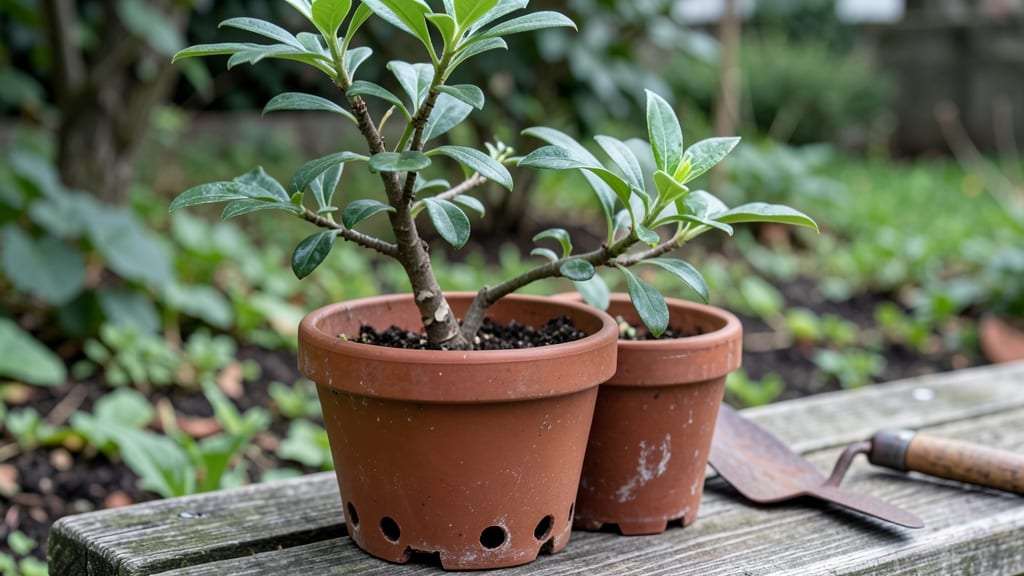
Cold-hardened strawberry tree seedlings are the secret to a thriving plant that rewards you with year-round interest. 🌿 I’ve nurtured mine through three winters, and the key starts with the right soil mix and planting spot—no fancy tools required.
The soil needs to be well-draining yet moisture-retentive, like a mix of native soil, compost, and a handful of sand. Plant in a location with partial sun (morning light, afternoon shade) to prevent leaf scorch, and avoid heavy clay or waterlogged spots.
Mulch lightly to keep roots cool in summer and protected in winter. Within a year, you’ll see glossy evergreen leaves and delicate white flowers that smell like honey. Prune lightly in late winter to shape the plant, and watch for spider mites—keep leaves dusted and water consistently to deter them.
This isn’t just a plant; it’s a low-maintenance evergreen that thrives for decades. Let’s get your seedling off to the best start possible.
📚 In This Guide
- What you need
- Instructions
- Tips and common mistakes
- Wrapping up and next steps
What you need
- ● Strawberry tree seedling: 1-2 cold-hardened starts (nursery-grown or home-propagated). Look for varieties like Arbutus unedo or Arbutus × andrachne for best cold tolerance.
- ● Well-draining soil mix: 50% native soil + 50% organic matter (compost, peat moss, or coconut coir). Aim for a pH of 5.0–7.0.
- ● Container or planting site: For seedlings: 5–7 gallon pots with drainage holes (or a raised bed).
- ● For outdoor planting: A sunny spot with partial shade (especially in hot climates) and 6+ feet of space for mature growth.
- ● Mulch: 2–3 inches of organic mulch (pine straw, wood chips, or shredded leaves) to retain moisture and insulate roots.
- ● Fertilizer: Slow-release granular: 10-10-10 or 5-5-5 formula (apply once in early spring).
- ○ Balanced liquid feed (optional): Diluted fish emulsion or seaweed extract (every 4–6 weeks during growing season).
- ● Garden trowel or transplant spade (for digging).
- ● Pruning shears (sterilized with rubbing alcohol).
- ● Gloves (to protect hands from thorns).
- ● Watering can or hose with gentle spray nozzle (avoid overwatering!).
- ○ pH tester kit (optional but helpful for soil monitoring).
- ○ Cold frame or frost cloth (optional, for protecting young seedlings in Zone 6 or colder).
- ● 🌡️ Temperature check: Strawberry trees thrive in USDA Zones 7–9 but can survive down to 10°F with proper mulching.
- ● 💡 Seedling hack: If starting from seed, stratify seeds for 60–90 days in a damp paper towel in the fridge before planting!
- ● 🎯 Pruning prep: Keep shears handy—you’ll need them for late winter shaping to encourage bushier growth.
Step-by-Step instructions for cold-hardening strawberry tree seedlings
Here's how to toughen up your seedlings so they survive winter and thrive year-round.
🌱 Step 1: Acclimate Seedlings to Outdoor Conditions Gradually
Start hardening off your strawberry tree seedlings 6-8 weeks before your first expected frost date. Place them outside in a sheltered spot—like a covered patio or under a tree—where they’ll receive morning sun and afternoon shade. This gradual exposure prevents shock from sudden temperature swings.
I like to begin with just 1-2 hours daily on the first day, then increase by 1-2 hours each day. Watch for leaves that look slightly wilted but perk up when moved back indoors—that’s a sign they’re adjusting. If you see yellowing or curling, they’re getting too much sun too soon, so reduce exposure.
☀️ Step 2: Introduce Full Sun and Wind Exposure Slowly
After 1-2 weeks of partial sun, move seedlings to a spot with 4-6 hours of direct sunlight. Strawberry trees love sun but can scorch if transitioned too quickly. I’ve found that 60% shade cloth helps ease the shift if your seedlings are still looking stressed.
Once they’re handling full sun, introduce wind exposure by placing them in an open but protected area. A gentle breeze strengthens stems, but avoid strong winds that can snap young plants. You’ll know they’re ready for full outdoor conditions when their new growth looks dark green and sturdy, not pale or rubbery.
💧 Step 3: Adjust Watering for Outdoor Survival
Seedlings outdoors need 1 inch of water per week, but you’ll need to monitor soil moisture closely. Water deeply in the morning so leaves have time to dry before evening, reducing disease risk. I like to stick my finger 1 inch into the soil—if it feels dry, it’s time to water.
Stop fertilizing during this phase. New roots need to focus on anchoring, not feeding. If you notice leaves wilting in the afternoon heat, mulch around the base with 2-3 inches of organic mulch to retain moisture and regulate soil temperature. This also mimics their natural woodland habitat.
⏰ Step 4: Prepare for Frost and Overwintering
When nighttime temperatures drop to 35°F, it’s time to protect your seedlings. Wrap the pots or plant area with burlap or frost cloth, securing it loosely so air can circulate. Avoid plastic, which traps moisture and encourages rot.
For extreme cold (20°F or below), move potted seedlings to an unheated garage or cold frame. If planted in the ground, mound 4-6 inches of mulch around the base to insulate roots. You’ll know overwintering is working if the plant stays dormant but shows no signs of browning or mushy stems in spring.
🌿 Step 5: Transition Back to Active Growth in Spring
As temperatures rise above 40°F at night, gradually remove frost protection over 7-10 days. Prune any dead or damaged branches with clean, sharp shears to encourage new growth. Strawberry trees are resilient, but removing damaged wood helps them focus energy on healthy foliage.
Resume watering when you see new buds forming, and apply a balanced fertilizer to support spring growth. You’ll notice fresh leaves emerging within 2-3 weeks—that’s your sign the plant is back in full vigor and ready for year-round care.
Tips & tricks for perfectly cold-hardened strawberry tree seedlings
Between us, the difference between seedlings that make it through winter and those that don't often comes down to these small but critical details.
Gradual Exposure Secret: In Step 1, when you're increasing outdoor time by 1-2 hours daily, trust your instincts more than the clock. If leaves look slightly wilted but recover when moved back inside, that's perfect—they're learning to handle the elements. I've seen seedlings stressed by too much sun too soon, so if you notice yellowing or curling, move them to more shade immediately. The goal is to mimic natural seasonal changes, not shock them.
Sunlight Transition Insight: That 60% shade cloth in Step 2 is your best friend during the full sun transition. I've found it works wonders for seedlings that look stressed—it filters harsh sunlight while still letting them adapt. Watch for dark green, sturdy new growth as your signal they're ready for full sun. If growth looks pale or rubbery, extend the shade cloth phase by another week.
Watering Wisdom: The 1-inch weekly watering guideline in Step 3 is perfect, but soil type matters. Sandy soils dry out faster, so you might need to water every 5 days instead. Always water deeply in the morning—this gives leaves time to dry before evening, which prevents fungal issues. And remember, no fertilizer during this phase! New roots need to focus on anchoring, not feeding.
Frost Protection Strategy: When temperatures drop to 35°F in Step 4, don't wait until the last minute to protect your seedlings. I've learned this the hard way—once the frost hits, it's too late. Use burlap or frost cloth loosely wrapped, allowing air circulation. For extreme cold below 20°F, that unheated garage or cold frame becomes essential. The key is keeping roots insulated while allowing some airflow to prevent rot.
Pro Tips for Strawberry Tree Seedling
- Between us, the difference between seedlings that make it through winter and those that don't often comes down to these small but critical details.
- Gradual Exposure Secret: In Step 1, when you're increasing outdoor time by 1-2 hours daily, trust your instincts more than the clock.
- Sunlight Transition Insight: That 60% shade cloth in Step 2 is your best friend during the full sun transition.
Frequently asked questions
When is the best time to plant strawberry tree seedlings?
The ideal planting window is late winter or early spring, once the soil is workable but before new growth begins. In colder climates (USDA Zones 7-9), plant in fall (October-November) to establish roots before winter. Avoid transplanting during extreme heat or frost—patience pays off!
How cold-hardy are strawberry tree seedlings?
Strawberry trees (Arbutus unedo) are surprisingly tough—they tolerate temps down to 10°F (-12°C) once established. Young seedlings (<1 year old) need extra protection (mulch, burlap wraps) in Zone 7 or colder. Pro tip: Acclimate seedlings gradually to cold by hardening them off 2-3 weeks before the first frost.
Can I grow strawberry trees from seed instead of seedlings?
Yes, but seedlings (nursery-grown) are far faster and more reliable—seeds can take 2-3 years to bear fruit! If starting from seed, stratify seeds for 30-60 days in a damp paper towel (refrigerated) before planting. Seedlings ensure predictable varieties and stronger root systems right out of the gate.
Why are my strawberry tree seedlings wilting or turning yellow?
Common culprits:
- Overwatering: Strawberry trees hate soggy soil—water deeply but infrequently (1-2x/week unless drought-stricken).
- Underwatering: Drooping leaves = thirsty roots! Check soil moisture 2" below the surface.
- Nutrient deficiency: Yellowing leaves? Try a balanced fertilizer (10-10-10) in spring.
- Pests: Inspect for aphids or spider mites—spray with neem oil if needed.
Do strawberry trees need pruning as seedlings?
Minimal pruning is key for young seedlings! Focus on:
- Removing dead/diseased branches (use sterilized shears).
- Avoid heavy pruning—wait until the tree is 2-3 years old to shape it.
- Thin crowded stems to improve airflow (prevents fungal issues).
Wrapping up and next steps
Growing a strawberry tree seedling is a rewarding journey that brings year-round beauty and resilience to your garden! 🌱 With the right cold-hardening techniques, you’ve set your young tree up for success—whether it’s thriving in winter chill or blooming in summer heat.
Now that you’re equipped with the knowledge, it’s time to roll up your sleeves and give your seedling the care it deserves.
Your next logical step? Monitor and adapt. Keep an eye on your seedling’s progress, adjust pruning as needed, and enjoy the satisfaction of nurturing a hardy plant that will reward you for years. Happy gardening—your strawberry tree is counting on you! 🌟