
Propagation
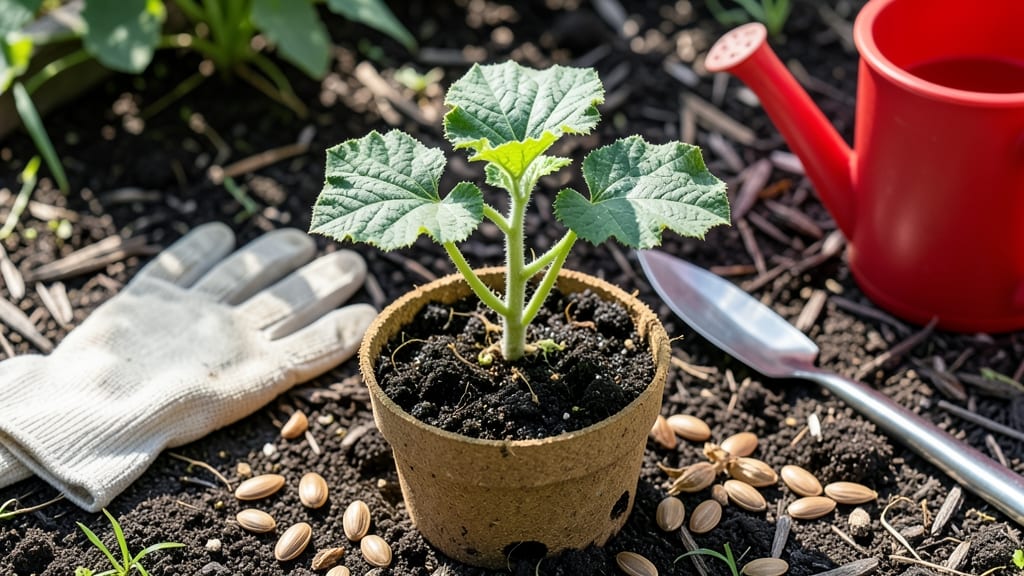
Germinating squash seeds involves a squash seed germination time that typically ranges between 3 and 10 days—but that window can stretch or shrink depending on your variety, soil temperature, and a few other tricks most gardeners miss.
If you’ve ever planted squash seeds only to stare at them for weeks, wondering if they’re ever going to sprout, you’re not alone. The truth is, warm soil is the game-changer here—too cold, and those seeds will barely budge; too hot, and they might rot before they even wake up.
Below, I break down the exact germination times for summer and winter squash varieties, how your USDA zone affects speed, and the simple adjustments you can make to cut those 10 days down to just 3 or 4—even if your climate isn’t ideal.
You’ll also learn the best soil prep, when to start seeds indoors (or not), and how to spot the signs of trouble before it’s too late. Let’s get those 🎃 seeds sprouting faster than you thought possible.


Squash seed germination time by variety: summer vs winter squash compared
If you're eager to grow squash but unsure when those tiny seeds will finally break through the soil, you're not alone! The germination time for squash seeds varies wildly depending on whether you're growing summer squash (like zucchini) or winter squash (like butternut).
Even within these categories, specific varieties can take 3 days to 2 weeks to sprout. Understanding these differences helps you time your planting for a successful harvest—no more waiting too long or giving up too soon!
For most gardeners, the ideal soil temperature for squash seed germination falls between 55°F and 95°F. Below 55°F, germination slows dramatically, while above 95°F, seeds may struggle to absorb moisture.
This range explains why zucchini seeds often sprout faster in warm climates, while acorn squash might take longer in cooler regions. Let’s break down the specifics so you can set realistic expectations for your garden.
🌱 Comparison Table: Squash Seed Germination Time by Variety
From the table, you can see that zucchini and spaghetti squash are the speediest, often sprouting within 3–7 days when soil temperatures are ideal. These summer squash varieties love warmth and can even germinate in soil as hot as 95°F, though they prefer the 70–90°F range for fastest results.
Meanwhile, winter squash like butternut and acorn take longer—sometimes up to 2 weeks—because they’re adapted to cooler growing seasons.
If you're planting in cooler climates (USDA zones 3–6), focus on winter squash varieties like butternut or acorn, which tolerate 60–70°F soil temps better than summer squash. For warmer zones (7–11), zucchini and spaghetti squash will thrive with consistent heat.
Always check your seed packet for variety-specific recommendations, as some heirloom or hybrid squash may have unique germination traits.
One common mistake gardeners make is planting squash seeds too early when soil is still cold. If your soil thermometer reads below 55°F, wait or use black plastic mulch to warm the soil faster.
Conversely, in hot climates, avoid planting during peak afternoon heat—opt for early morning sowing when temps are cooler. Patience is key: even if seeds take 10–14 days to sprout, don’t give up! Many squash seeds are
How temperature zones affect squash germination speed (and how to adjust)
Your USDA zone plays a critical role in how fast squash seeds sprout. In warmer climates (zones 9-11), seeds often germinate in just 3-5 days when soil temps hit 80°F+.
But in cooler zones (3-7), germination can stretch to 10-14 days if soil stays below 60°F. Understanding these regional differences helps you adjust planting strategies for reliable results.
Northern gardeners in zones 3-6 face the biggest challenges—cold soil slows metabolic processes inside seeds. Meanwhile, southern growers in zones 8-11 must protect seeds from heat stress that can cause uneven sprouting. Let's break down how to optimize germination across these diverse conditions.
For northern climates, I recommend starting seeds indoors 4-6 weeks before your last frost date when soil temps are still too cold for direct sowing. Use a heat mat to maintain 75-85°F soil temps—this can cut germination time from 14 days to 5-7 days.
Once seedlings have 2-3 true leaves, harden them off before transplanting after the last frost.
Southern growers should focus on shade protection and even moisture to prevent seeds from drying out in hot soil. I've found that planting in late afternoon when temps drop below 90°F improves germination rates. For extreme heat zones (10-11), consider using bio-degradable seed coatings that retain moisture longer.
Direct sowing works best in zones 7-11 when nighttime temps stay above 55°F. In these regions, I plant seeds 1 inch deep in moist, well-draining soil and cover with mulch to maintain consistent moisture.
For northern zones, I wait until soil reaches at least 60°F—using a soil thermometer helps track progress accurately.
Remember that seed age also affects germination speed—older seeds (over 2 years) may take 2-3 days longer to sprout regardless of zone. Store seeds in a cool, dry place and test viability by placing a few in water—if they sink, they're likely still good to plant.