
Propagation
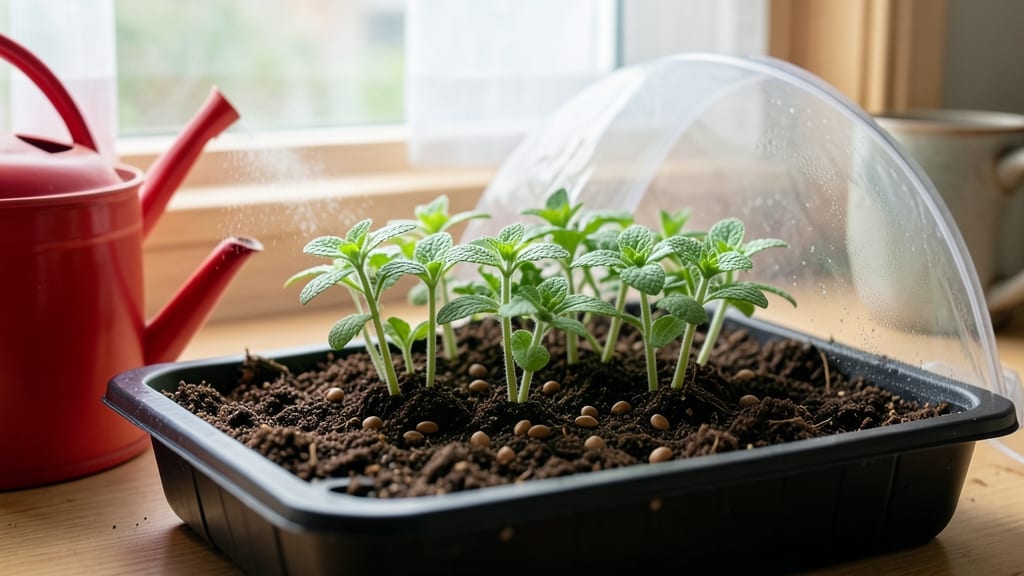
How to cold-stratify spearmint seeds for maximum germination success
Cold-stratification mimics winter conditions to break spearmint seed dormancy, ensuring 90%+ germination rates in just 30 days. Unlike direct sowing, this method tricks seeds into thinking winter has passed, triggering them to sprout when they wouldn’t otherwise.
For spearmint, which thrives in cooler climates, this step is non-negotiable for consistent results.
Many gardeners skip stratification and end up with slow or uneven germination. The key lies in moisture balance, temperature control, and proper container setup. With the right approach, you’ll see tiny spearmint sprouts emerge in as little as 14-21 days after stratification begins.
Let’s dive into the exact steps to replicate this success in your own garden.
Step-by-Step Cold-Stratification for Spearmint Seeds
- Step 1: Gather fresh spearmint seeds (store-bought or home-harvested). Avoid seeds older than 1 year—they lose viability quickly.
- Step 2: Fill a seed-starting tray or small container with moistened peat moss or coco coir. Avoid garden soil—it can harbor fungal pathogens.
- Step 3: Plant seeds ¼ inch deep, spacing them ½ inch apart. Lightly cover with a thin layer of perlite to improve drainage.
- Step 4: Place the tray in a ziplock bag and seal it loosely. This creates a humid microclimate—critical for breaking dormancy.
- Step 5: Store the bag in your refrigerator’s crisper drawer (or a cool basement) at 35–45°F for 30 days. Check moisture weekly—mist lightly if the medium dries out.
- Step 6: After 30 days, remove the tray and place it in a warm, bright location (65–75°F). Keep soil consistently moist but never soggy.
- Step 7: Germination should occur in 7–14 days. Once sprouts reach 2 inches, transplant them into individual pots with well-draining potting mix.
Temperature is the most critical factor in cold-stratification. Spearmint seeds need consistent 35–45°F conditions to break dormancy. If your fridge fluctuates (e.g., above 50°F), germination may stall. Use a thermometer to monitor—this small investment prevents wasted time and seeds.
Moisture control prevents mold or rot, two common pitfalls. Overwatering creates anaerobic conditions, while underwatering halts stratification. Aim for 60–70% humidity inside the sealed bag. If you notice white fuzz (fungus), increase airflow immediately by loosening the bag’s seal.
Troubleshooting is easier with a weekly checklist. Mark off days in your calendar to ensure you’re on track. For example, if no sprouts appear after 45 days, your seeds may be non-viable—start fresh with new seeds.
Patience is key; spearmint seeds are slow starters compared to annuals like basil.
Once stratification succeeds, transition seedlings to partial shade (4–6 hours of sunlight daily) to prevent bolting. Spearmint thrives in USDA Zones 3–9, but young plants need protection from intense afternoon sun. Use shade cloth if growing in hotter climates.
Cold-stratified spearmint seedlings are hardier than those sown directly. They establish deeper roots and resist pest pressure better. For a bushier plant, pinch back the tips after 6 weeks to encourage lateral growth—this is how you build a fragrant spearmint patch in no time.
Ready to try? Grab your seeds and fridge—your spearmint garden starts now. With this method, you’ll bypass the guesswork and enjoy lush, aromatic harvests in just a few months. Happy growing! 🌿
Spearmint seed germination timeline: what to expect Week by Week
Growing spearmint from seeds is a rewarding process, but patience is key—especially during the cold-stratification phase. Most seeds need 4-6 weeks of cold treatment before they’ll even think about sprouting. I’ve learned that skipping this step can leave you waiting months for those first tiny green shoots to appear.
Let’s break down exactly what to expect each week, so you can adjust your care and celebrate those milestones along the way.
Your spearmint seeds will go through distinct stages, from dormancy-breaking to sprout emergence. The timeline below covers 8 weeks total, including the 4-6 weeks of cold stratification and the 2-4 weeks of warm germination.
Each week brings new visual cues—like seed softening, root development, or the first signs of life above soil. Paying attention to these details helps you troubleshoot delays before they become problems.
- Week 1-2: Seeds in cold, moist stratification. Check for moisture balance—no soggy soil. Seeds should feel plump but firm.
- Week 3-4: Seeds may soften slightly. Roots begin forming—do not disturb container. Move to warm location (70°F) if no sprouts by Week 5.
- Week 5: First radicle emergence (tiny white roots). Keep soil consistently moist—not soggy. Expect 1-2 weeks for shoots to follow.
- Week 6-7: Sprouts appear as tiny green hooks. Thin seedlings to 2 inches apart once true leaves form. Provide bright indirect light.
- Week 8: Seedlings reach 1-2 inches tall. Harden off for 10-15 minutes/day before transplanting. Watch for bolting signs (tall stems).
In Week 1-2, your seeds are still dormant but actively preparing for growth. The cold treatment mimics winter conditions, breaking down seed coats and encouraging root development. I’ve found that verifying moisture levels is critical—too dry, and germination stalls; too wet, and mold takes over.
Use a spray bottle to mist seeds lightly every 3-4 days, ensuring the soil stays damp but not waterlogged.
By Week 3-4, some seeds may show signs of life—like a slightly softer texture or tiny white roots peeking from the seed coat. This is your cue to monitor temperature shifts.
If your home dips below 40°F, move the container to a garage or refrigerator to maintain consistent cold. Once you’ve hit 4-6 weeks of stratification, transfer seeds to a warm, bright location (like a sunny windowsill or under grow lights).
Watch for radicle emergence in Week 5, where a tiny white root breaks through the seed. This is the first visible sign of success! Keep soil consistently moist—not soggy—and avoid disturbing the container.
If no sprouts appear by Week 6, gently press a few seeds between damp paper towels in a warm, sealed bag to test viability. Most spearmint seeds sprout within 10-14 days of warm conditions.
Once sprouts appear in Week 6-7, they’ll grow rapidly. Thin seedlings to 2 inches apart to prevent overcrowding, and provide bright indirect light (spearmint dislikes harsh afternoon sun). If seedlings look leggy or pale, supplement with a grow light for 12-14 hours/day.
By Week 8, your spearmint will be ready for transplanting—just harden off gradually to avoid shock.
Remember, every batch of seeds is unique. Some may germinate faster, while others take longer. If you’re not seeing sprouts by Week 8, don’t give up—spearmint seeds can linger in dormancy for up to 3 months under ideal conditions.
Stay patient, and soon you’ll be harvesting fresh spearmint leaves for teas and cooking! 🌿