
Planting
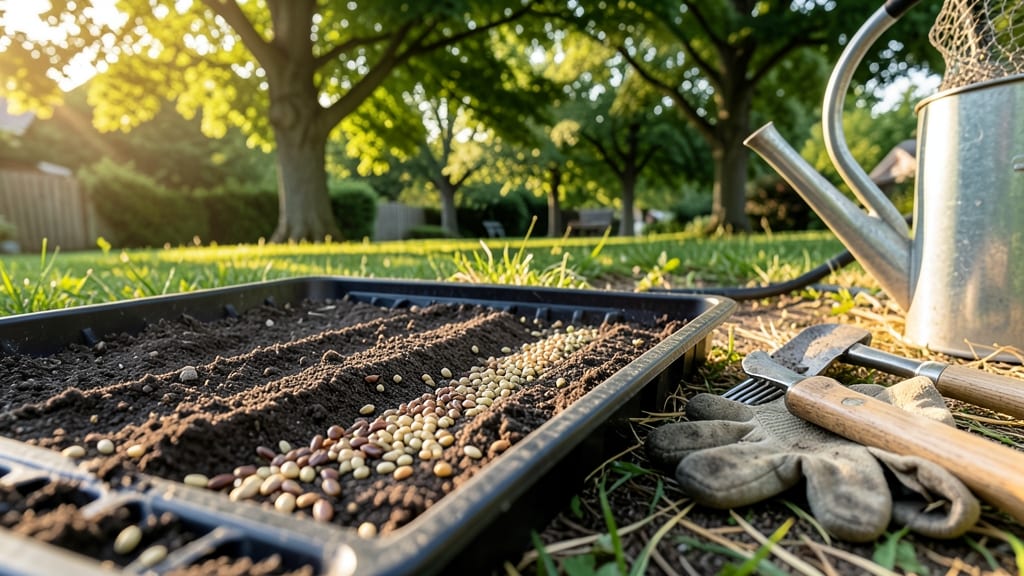
Sowing grass seed in September gives you a head start on a thick, green lawn before spring—when cooler temps and natural rainfall team up to boost germination.
Picture this: You’ve spent all summer battling weeds and patchy spots, only to watch your lawn transform into a lush carpet by next spring. That’s the power of fall planting, but it requires the right prep and timing.
Too late, and your seeds won’t establish before winter; too early, and summer heat will dry them out.
In this guide, I’ll walk you through the 4 key steps to sowing grass seed in September—from soil prep to seed selection—so you avoid common mistakes and set your lawn up for success.
You’ll also discover how to leverage September’s ideal conditions, like soil warmth and reduced weed competition, to give your grass a stronger start than spring planting ever could.


Why September is the best month for sowing grass seed
September offers the perfect window for sowing grass seed because cool temperatures and moderate rainfall create ideal germination conditions. Unlike summer's scorching heat or winter's dormancy, September's 60-70°F soil temps encourage strong root development while reducing stress on young seedlings.
Cool-season grasses like tall fescue and Kentucky bluegrass thrive when planted in late summer to early fall. The reduced competition from weeds and consistent moisture from seasonal rains give seeds the best chance to establish before winter dormancy.
Soil temperature is the #1 factor—ideal soil temps range between 50-70°F in September. This allows seeds to germinate quickly without overheating, unlike the 80°F+ soils of summer that can bake seeds into dormancy.
September's natural rainfall patterns provide consistent moisture without the need for excessive irrigation. Most regions receive 1-2 inches of rain weekly, which is perfect for keeping seeds hydrated during the critical 2-3 week germination period.
Daylight hours are still generous in September, providing 12-14 hours of sunlight—enough for photosynthesis while avoiding the intense midday heat of July and August. This balance helps young grass establish without wilting.
Here’s why September outperforms other months for grass seed success:
| Factor | September Advantage | Result |
|---|---|---|
| Soil Temperature | 50-70°F (ideal for germination) | Faster sprouting, stronger roots |
| Moisture Availability | 1-2" weekly rain | Reduced irrigation needs |
| Weed Competition | Weeds slow growth in summer | Grass outcompetes weeds early |
| Daylight Hours | 12-14 hours of sun | Balanced growth without heat stress |
| Establishment Time | 6-8 weeks before winter | Strong root system before dormancy |
September’s ideal conditions extend beyond germination—grass planted now has 3-4 months to develop deep roots before winter. This head start means your lawn will green up faster in spring and handle summer heat better than seeds planted in spring.
For northern climates (USDA Zones 3-5), September is the last chance to plant before frost. In southern zones (6-8), early September avoids the late-summer heat that stresses young seedlings. Even in dry regions, September’s cooler temps reduce water evaporation, making irrigation more efficient.
If you’re debating spring vs. fall planting, September wins for 90% of U.S. lawns. Spring-planted grass often struggles with drought stress and weed competition, while fall-planted grass enters winter with a resilient root system ready to rebound in spring.
To maximize September’s potential, test soil pH (ideal: 6.0-7.0) and amend with compost 2 weeks before sowing. This ensures your seeds have the nutrients and structure they need to take full advantage of the season’s perfect conditions.
Don’t wait until October—early September is the sweet spot for cool-season grasses. By acting now, you’ll enjoy a thicker, greener lawn next year with minimal effort.
Step-by-step guide to preparing soil and planting grass seed
September’s cool temperatures and natural rainfall make it ideal for sowing grass seed, but success starts with proper soil prep. Skipping this step can lead to uneven germination or weak growth.
I’ll walk you through each critical phase—from testing your soil to the final touches—to ensure your lawn thrives from the first green sprout.
Before you grab your seed bag, test your soil’s pH and nutrient levels. Most grasses prefer a pH between 6.0 and 7.0. If your soil is too acidic or alkaline, amend it with lime (to raise pH) or sulfur (to lower it) 2–4 weeks before planting.
A simple home soil test kit costs under $10 and saves you from guesswork.
Your 7-Step Guide to Planting Grass Seed in September
-
Step 1: Clear the Area
Remove debris, rocks, and weeds using a rake or sod cutter. For stubborn weeds, apply a pre-emergent herbicide 1–2 weeks before planting. -
Step 2: Till the Soil
Loosen the top 4–6 inches of soil with a rototiller or garden fork. This breaks up compacted layers so roots can penetrate easily. -
Step 3: Level the Ground
Use a lawn roller or rake to create a smooth, even surface. Fill low spots with topsoil and rake again. Uneven areas can cause water pooling or thin patches. -
Step 4: Choose the Right Seed
Pick a cool-season grass like tall fescue or Kentucky bluegrass for your climate. Check the seed bag for sunlight needs (full sun vs. partial shade) and drought tolerance. -
Step 5: Sow the Seed
Spread seed evenly using a broadcast spreader or by hand. Overlap passes to avoid missed spots. Aim for 10–15 seeds per square inch for dense coverage. -
Step 6: Lightly Cover and Protect
Gently rake seeds into the soil with a fine-tooth rake, covering them with ¼ inch of topsoil. Press lightly with a lawn roller to ensure contact with the soil. -
Step 7: Water Thoroughly
Water immediately after planting to settle seeds. Keep soil consistently moist (not soggy) for the first 2–3 weeks. Use a sprinkler for gentle, even coverage.
After sowing, avoid walking on the lawn until the grass reaches 3–4 inches tall (about 4–6 weeks). This prevents seed displacement and root damage. If birds or squirrels raid your fresh seed, cover the area with lightweight netting until germination begins.
Once your grass reaches 3 inches tall, it’s time to mow carefully. Set your mower to 3–4 inches high to encourage deep root growth.
Avoid bagging clippings—they return nutrients to the soil naturally. With proper care, your September planting will reward you with a thick, green lawn by spring.