
Planting
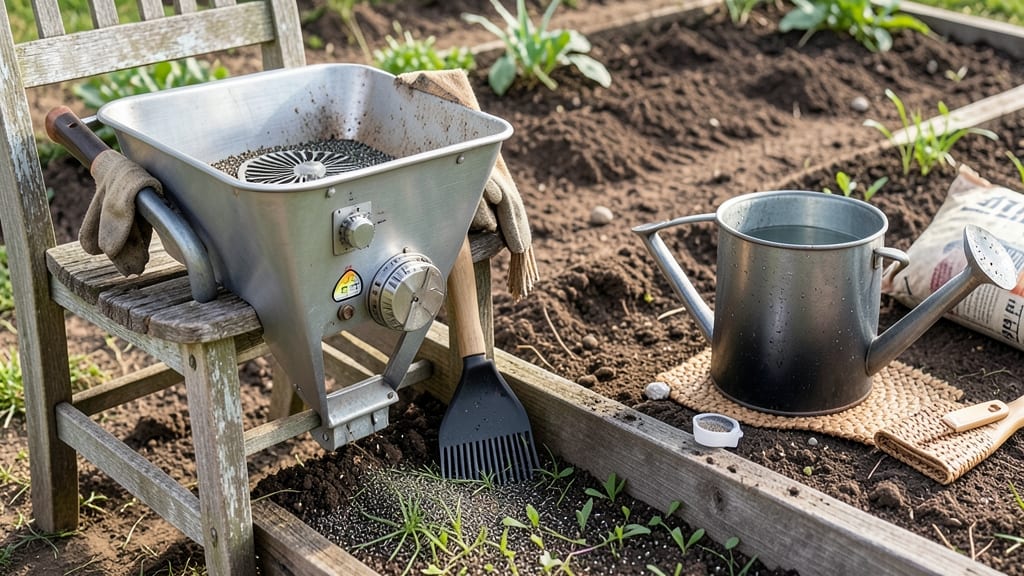
Fall-sown grass seed outlasts spring planting by weeks—sometimes months—because cool weather lets seeds establish roots before winter. 🌱 I learned this the hard way after my spring lawn took two full seasons to fill in, while my neighbor's fall-planted grass was already thick by June.
The secret? Planting when soil temps drop below 70°F but before hard frost hits—typically late September to early November in most zones.
You'll need a rake, lawn roller, and the right seed mix for your climate—cool-season grasses like Kentucky bluegrass or fescue thrive in fall, while warm-season Bermuda or Zoysia need spring. The prep is simple: clear debris, loosen soil, and level the area.
Water lightly after sowing to keep seeds moist until germination, which can take 7-14 days in ideal conditions. The key is consistency—daily watering for the first two weeks, then tapering as roots grow.
What you end up with is a lawn that greens up earlier, resists weeds better, and stays lush through summer heat. The roots grow deep and cold-hardy, so spring brings vibrant green instead of patchy brown spots.
Even in drought-prone areas, fall-planted grass recovers faster from dry spells because of its established root system.
Works for new lawns, patchy spots, or overseeding existing grass. Just adjust timing for your zone—Northern gardeners can plant as late as Thanksgiving, while Southerners should aim for October. Here's how to nail the timing and technique for your specific climate.
📚 In This Guide
- What you need
- Instructions
- Tips and common mistakes
- Wrapping up and next steps
What you need
- ● Grass seed: Choose a cool-season variety (e.g., Kentucky bluegrass, fescue, or ryegrass) at 5–10 lbs per 1,000 sq ft (adjust based on seed type and desired density).
- ● Soil amendment: Compost (1–2 inches) or peat moss to improve soil texture and fertility.
- ● Topsoil or starter fertilizer: A low-nitrogen blend (10-10-10 or 12-12-12) or a grass seed starter fertilizer (follow package rates).
- ● Rake: A bow rake (for leveling soil) and a garden rake (for seeding and covering).
- ○ Broadcast spreader: A handheld or walk-behind model for even seed distribution (optional but highly recommended).
- ● Water source: A hose with a sprinkler head or drip irrigation system for consistent moisture.
- ○ Mulch (optional but helpful): Straw or peat moss (¼ inch thick) to retain moisture and protect seeds.
- ● Test your soil’s pH (ideal range: 6.0–7.0 for cool-season grasses). Adjust with lime or sulfur if needed.
- ● Clear debris, rocks, and weeds from the area (use a weed trimmer or edger if necessary).
- ● Check the weather forecast—aim to sow 4–6 weeks before first frost for optimal germination.
Step-by-step instructions for sowing grass seed in fall
Here's how to establish a lush lawn that survives winter and thrives next spring.
🌱 Step 1: Prepare the Soil for Optimal Seed Contact
Start by mowing your existing grass as short as possible—this gives new seed direct contact with soil and sunlight. Use a rake to remove any debris or thatch buildup, then loosen the top ¼ inch of soil with a garden rake. You want the surface to feel slightly rough, like coarse sandpaper, so seeds can nestle into tiny crevices.
For bare spots or new areas, till the soil to a depth of 2-3 inches to break up compaction and improve drainage. The goal is to create a seed bed that's firm enough to support roots but loose enough for moisture to penetrate evenly. Test your work by pressing your thumb into the soil—it should hold its shape but not feel rock-hard.
💧 Step 2: Spread Seed Evenly for Uniform Germination
Use a broadcast spreader for large areas or a hand spreader for smaller patches to distribute 5-10 pounds of seed per 1,000 square feet (check your seed packet for exact rates). Walk in a crisscross pattern to ensure even coverage—you should see seed lightly dusting the soil between passes. For high-traffic areas, increase the rate by 25% to compensate for potential wear.
Lightly rake the area again after spreading to press seeds into the soil without burying them. Grass seeds need light to germinate, so only cover them with a thin layer of soil or compost. You'll know you've done it right when the seed bed looks uniformly textured without visible piles of seed.
☀️ Step 3: Water Gently and Consistently for Germination
Water immediately after sowing to settle the seed into the soil, then maintain 1 inch of water per week for the first 4-6 weeks. Use a gentle sprinkler or soaker hose to avoid dislodging seeds—you want the soil to stay evenly moist, not soggy. The best time to water is early morning so moisture has time to penetrate before evaporation.
Check moisture daily by pressing your finger ½ inch into the soil**—it should feel damp but not wet. If the top layer dries out, germination slows dramatically. You'll see the first green shoots in 7-14 days, signaling that your watering routine is working. Once seedlings reach 2-3 inches tall, you can reduce watering slightly but keep the soil consistently moist.
✂️ Step 4: Protect New Growth from Frost and Traffic
When nighttime temperatures drop below 40°F, cover the seeded area with a thin layer of straw or leaves to insulate the soil and protect tender shoots. Remove the mulch during the day to allow sunlight and prevent overheating. This cold-hardening process strengthens roots before winter dormancy, giving you a head start in spring.
Keep children and pets off the area until the grass reaches 3-4 inches tall—this prevents seedling damage and compaction. You'll notice new growth appears patchy at first, but within 6-8 weeks, the lawn will fill in naturally. Once established, your fall-sown grass will outperform spring plantings by developing deeper roots before the first frost.
Tips & tricks for perfect fall grass seed planting
Fall planting gives your lawn a competitive edge, but small details make all the difference. Here's what I've learned from years of trial and error.
Soil Prep Secret: Don't just loosen the top ¼ inch—aim for a rough texture like coarse sandpaper. This creates tiny pockets where seeds can nestle without being buried too deep. For bare spots, tilling 2-3 inches deep breaks up compaction, but avoid overworking the soil. Think "fluffy but firm," like a well-aerated cake batter.
Seed Distribution Hack: When using a broadcast spreader, walk in a crisscross pattern and overlap passes by 12 inches. This ensures even coverage without wasting seed. For high-traffic areas, increase your 5-10 pounds per 1,000 square feet rate by 25%—you'll thank yourself later when the lawn holds up to foot traffic. The key is seeing seed lightly dusting the soil between passes, not clumping.
Watering Wisdom: Early morning watering is non-negotiable—it prevents evaporation and fungal growth. That 1 inch per week for 4-6 weeks is critical, but timing matters more than quantity. Water when the top ½ inch of soil feels dry to the touch, not on a schedule. You'll know you're doing it right when you see those first green shoots in 7-14 days—this confirms proper moisture levels.
Frost Protection Strategy: When nighttime temps drop below 40°F, use straw or leaves for insulation, but remove them during the day. This cold-hardening process is what gives fall-sown grass its advantage over spring plantings. The goal is to strengthen roots before dormancy, not smother new growth. Think of it like giving your lawn a winter survival boot camp.
Pro Tips for Sowing Grass Seed In Fall
- Fall planting gives your lawn a competitive edge, but small details make all the difference.
- Soil Prep Secret: Don't just loosen the top ¼ inch—aim for a rough texture like coarse sandpaper.
- Seed Distribution Hack: When using a broadcast spreader, walk in a crisscross pattern and overlap passes by 12 inches.
Frequently asked questions
Got questions about sowing grass seed in fall? You’re not alone! Here are some of the most common concerns—and their answers—to help you plant with confidence.
When is the exact best time to sow grass seed in fall?
The ideal window is 4-6 weeks before your first frost (typically late September to early November, depending on your zone). This gives seeds time to germinate and establish roots before winter dormancy. Check your local frost dates for precision!
Will grass seed still grow if I plant it too close to frost?
If frost hits before seeds germinate, they’ll likely fail. However, if they’ve already sprouted (even slightly), they can survive light frosts. Pro tip: Plant earlier in cooler climates (Zone 3-4) and later in warmer ones (Zone 7+).
Can I use leftover grass seed from spring for fall planting?
Yes! Grass seed stays viable for 1-2 years if stored in a cool, dry place. Just check the germination rate—if it’s below 80%, consider fresher seed. Fall planting often works better with older seed because cooler temps slow germination, reducing stress.
How do I protect new grass from pests or birds after sowing?
Use straw or netting to shield seeds from birds, and apply a light layer of mulch (like compost) to deter insects. Avoid heavy mulch, which can suffocate seedlings. Bonus: Plant in smaller sections if possible to monitor for issues quickly!
What if my soil is still too warm for fall planting?
If soil temps exceed 60°F (15°C), germination may be uneven or seeds could dry out. Wait for cooler evenings (aim for 50-60°F / 10-15°C) or use a lightweight shade cloth to protect seeds until temps drop naturally.
Can I overseed existing grass in fall instead of starting fresh?
Overseeding is a great way to fill thin spots. Mow low, rake the lawn, spread seed lightly, and water gently. Tip: Use a starter fertilizer with half the recommended nitrogen to avoid burning new growth.
Wrapping up and next steps
Fall is the perfect time to sow grass seed—cool temperatures and reduced competition from weeds create ideal conditions for strong, cold-hardened roots.
By following the right steps—like choosing the best seed, preparing the soil, and watering consistently—you’ll set your lawn up for a lush, vibrant spring. Don’t wait until spring; give your grass a head start now!
Ready to take action? Grab your tools, mark your calendar for early fall planting (before the first frost), and watch your lawn transform! 🌱✨