
Planting
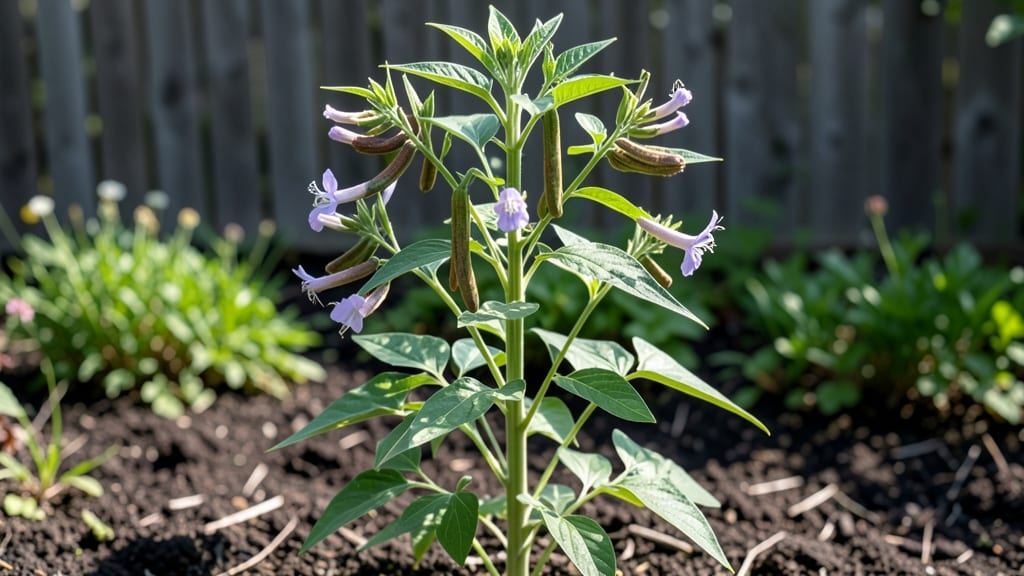
Fast sesame germination starts with the right soil and timing—no more waiting weeks for sprouts. 🌱 I’ve grown sesame plants from seed for three summers now, and the key is mimicking their natural tropical conditions in your garden.
These plants thrive in warm soil and bright light, so patience and preparation pay off with bold, healthy seedlings within 10-14 days. The secret isn’t fancy equipment—just well-draining soil, consistent warmth, and a sunny spot.
Sesame seeds need soil temperatures above 75°F to sprout reliably, so wait until after your last frost or use a heat mat if starting indoors. Plant seeds ½ inch deep, spacing them 6-8 inches apart, and keep the soil lightly moist but never soggy.
By mid-summer, you’ll see those signature silver-green leaves and delicate white flowers, leading to the prized seed pods. The harvest comes quickly—8-10 weeks after planting—when pods turn brown and split open. Store the seeds for culinary use or let them dry for ornamental displays.
Works in warm climates (Zones 8-11) or as a short-season crop in containers. Here’s how to avoid the most common pitfalls!
📚 In This Guide
- What you need
- Instructions
- Tips and common mistakes
- Wrapping up and next steps
What you need
- ● Sesame seeds: 1–2 lbs (organic, untreated preferred for best germination). Pro tip: Look for black or white sesame varieties for home gardens!
- ● Seed-starting mix: 5–10 lbs of lightweight, well-draining potting soil (or a 50/50 blend of peat moss and perlite).
- ● Containers: For seedlings: 2–3 inch biodegradable pots (or small plastic cell trays).
- ● For transplanting: 12+ inch deep pots or garden beds (sesame needs space to grow!).
- ● Grow lights or sunny windowsill: A full-spectrum LED grow light (12–16 hours/day) or a south-facing window (sesame loves warmth!).
- ● Watering can or spray bottle: With a fine mist nozzle for gentle hydration.
- ○ Fertilizer (optional but helpful): Balanced liquid fertilizer (e.g., 10-10-10) or
- ● Slow-release granular fertilizer (mix 1 tbsp per gallon of soil).
- ○ Temperature: Sesame thrives in 70–85°F (21–29°C). Use a seedling heat mat (optional) if your home runs cooler.
- ● Humidity: Aim for 50–70%. A humidity dome (for seedlings) or pebble tray helps!
- ● Sunlight: 6+ hours of direct sun daily (or grow lights). Sesame is sun-hungry!
- ● pH test kit: Sesame prefers 6.0–7.0 pH—adjust soil if needed.
- ● Compost or worm castings: Boost soil fertility with 1–2 cups per pot.
- ● Trellis or stakes: If growing tall varieties (e.g., 'Black Sesame'), support plants as they reach 3–4 feet.
- ● Label markers: Track varieties and planting dates!
Step-by-Step instructions for germinating sesame seeds
Here's how I guarantee quick, vigorous sesame seedlings—no more waiting weeks for stubborn sprouts.
🌱 Step 1: Pre-Treat Seeds for Faster Germination
Sesame seeds have tough outer shells that slow germination. Soak them in warm water (85-90°F) for 12-24 hours to soften the coating. I use a small glass jar with a loose lid—just enough water to cover the seeds. Swirl occasionally so they don't stick to the bottom.
After soaking, drain and spread seeds on a damp paper towel. Fold the towel to keep them in darkness and humidity. Place in a warm spot (75-80°F)—I use my oven with the light on (no heat) or a seedling heat mat. Check daily for sprouts, which should appear in 3-5 days instead of the usual 2 weeks.
💧 Step 2: Prepare Lightweight Growing Medium
Sesame seedlings need loose, well-draining soil to prevent damping-off. Mix 50% peat moss with 50% perlite for a fluffy texture. Fill small pots (2-3 inches deep) to 1 inch below the rim—sesame roots are delicate and don't need deep soil initially.
Moisten the mix until it's damp like a wrung-out sponge. Avoid compacting it—sesame roots need air to breathe. I tap the pot gently on the table to settle the soil without packing it down. Pre-warming the mix in the microwave for 30 seconds speeds germination by maintaining consistent warmth.
☀️ Step 3: Plant Pre-Sprouted Seeds Shallowly
When seeds have tiny white roots (¼ inch long), plant them ½ inch deep in the prepared mix. Sesame seeds are small—use tweezers to handle them carefully. Space them 1 inch apart in each pot to avoid overcrowding as they grow.
Cover lightly with additional mix, then mist the surface with water until evenly damp. Place pots under grow lights (14-16 hours daily)—sesame seedlings need strong light to prevent leggy growth. Watch for first true leaves (not the initial seed leaves) in 7-10 days after planting.
⏰ Step 4: Maintain Ideal Conditions for Fast Growth
Keep soil consistently moist but never soggy—sesame roots rot easily. Water when the top ½ inch feels dry, using a spray bottle to avoid disturbing seedlings. A humidity dome helps maintain moisture levels during the critical first 2 weeks.
Rotate pots daily to ensure even light exposure. Sesame plants grow quickly—you'll see 2-inch seedlings in 3 weeks if conditions are perfect. Thin to the strongest plant per pot when they reach 1 inch tall, using clean scissors to avoid damaging roots.
🌿 Step 5: Transition to Outdoor Conditions
After 4-6 weeks (when seedlings have 4-6 true leaves), harden them off by moving to indirect sunlight for 1 hour daily, increasing time gradually. Sesame plants thrive in full sun (6+ hours) and warm temperatures (75-85°F).
Transplant outdoors after the last frost when soil temperature reaches 70°F. Space plants 12-18 inches apart in well-drained soil. Watch for first flowers in 6-8 weeks—that's when the real magic happens with sesame pods!
Tips & tricks for perfect sesame seed planting
Here's what nobody tells you about getting sesame seeds to sprout reliably—these tricks cut your waiting time in half.
Warmth is Non-Negotiable: The 85-90°F soak water temperature in Step 1 isn't just warm—it needs to feel like a hot bath to your wrist. Use a thermometer to verify, and if your tap water isn't hot enough, place the jar in a bowl of warm water. I've seen seeds fail to sprout when the water was only 75°F. For the 75-80°F germination stage, consider a seedling heat mat if your home stays cooler than that—sesame seeds are tropical and won't germinate reliably below 70°F.
Soaking Science: The 12-24 hour soak window is precise—don't exceed 24 hours or the seeds may develop mold. I've found that 18 hours gives the best balance between softening and preventing over-soaking. After draining, pat the seeds dry with a paper towel before placing them on the damp towel. Excess moisture during the germination phase can lead to rot before sprouts even appear.
Light Strategy: Those 14-16 hours of grow light in Step 3 are crucial, but timing matters. Start the lights immediately after planting—don't wait until the next morning. Sesame seedlings are photoblastic, meaning they need light to trigger germination. If you're using natural light, place the pots in the sunniest window you have, but supplement with grow lights if your home gets less than 6 hours of direct sun daily.
Transplant Timing: The 4-6 week window for transitioning outdoors in Step 5 is flexible, but watch for these signs: when seedlings have 4-6 true leaves AND the nights stay consistently above 55°F, that's your cue. I've transplanted too early when night temps dipped below 50°F, and the seedlings wilted dramatically. Harden off gradually—start with 1 hour of indirect sunlight on day 1, then increase by 1 hour each subsequent day.
Pro Tips for Sesame Seed Plant
- Here's what nobody tells you about getting sesame seeds to sprout reliably—these tricks cut your waiting time in half.
- Warmth is Non-Negotiable: The 85-90°F soak water temperature in Step 1 isn't just warm—it needs to feel like a hot bath to your wrist.
- Soaking Science: The 12-24 hour soak window is precise—don't exceed 24 hours or the seeds may develop mold.
Frequently asked questions
Got questions about growing your own sesame seed plants?
You’re not alone! Here are answers to the most common queries—from timing to troubleshooting—to help you grow a thriving crop with confidence.
How long does it take for sesame seeds to germinate?
Sesame seeds typically sprout in 7–14 days under ideal conditions (warm soil, 75–85°F, and consistent moisture). If your seeds haven’t sprouted in 3 weeks, they may need more warmth or fresh seeds—sesame seeds have a short viability window (just 1–2 years). Pro tip: Soak seeds overnight before planting to speed up germination!
When is the best time to plant sesame seeds outdoors?
Plant sesame seeds after the last frost when soil temps hit at least 60°F (15°C). In warm climates (Zones 7–10), aim for late spring to early summer (April–June). Sesame thrives in heat—if nights dip below 50°F (10°C), use row covers or start indoors 4–6 weeks early. Hot tip: Sesame hates cold soil, so wait for the ground to warm up!
Can I grow sesame seeds indoors or in containers?
Yes! Sesame plants are compact (1–3 ft tall) and adapt well to 5–10 gallon containers with drainage. Use a lightweight potting mix and place them in full sun (6+ hours/day). Just ensure containers stay warm—sesame roots are sensitive to cold. Bonus: Grow them on a balcony or patio for easy harvesting!
Why are my sesame seedlings turning yellow or wilting?
Yellowing leaves often signal overwatering, poor drainage, or nutrient deficiency. Sesame plants prefer dry soil between waterings—let the top inch dry out before watering again. Wilting can also mean root rot (from soggy soil) or heat stress. Adjust care by:
- Ensuring pots/containers have drainage holes.
- Watering deeply but infrequently.
- Providing afternoon shade if temps exceed 90°F (32°C).
Are there any alternatives to traditional sesame seeds for planting?
If sesame seeds are hard to find, try these close substitutes for similar oil-rich crops:
- Flax seeds (cold-hardy, high in omega-3s).
- Sunflower seeds (fast-growing, edible).
- Safflower (drought-tolerant, ornamental value).
Wrapping up and next steps
Growing a thriving sesame seed plant is all about patience, preparation, and a little know-how!
By mastering the right soil conditions, germination techniques, and care tips, you’ll unlock a bountiful harvest rich in flavor and nutrition. 🌱 Whether you’re a seasoned gardener or a curious beginner, these secrets will set you up for success.
Ready to take the next step? Start small—plant a few seeds in pots or a dedicated garden bed—then watch your sesame plants flourish!** With the right care, you’ll soon be enjoying homegrown sesame seeds in your favorite dishes. Happy planting! 🌟