
Planting
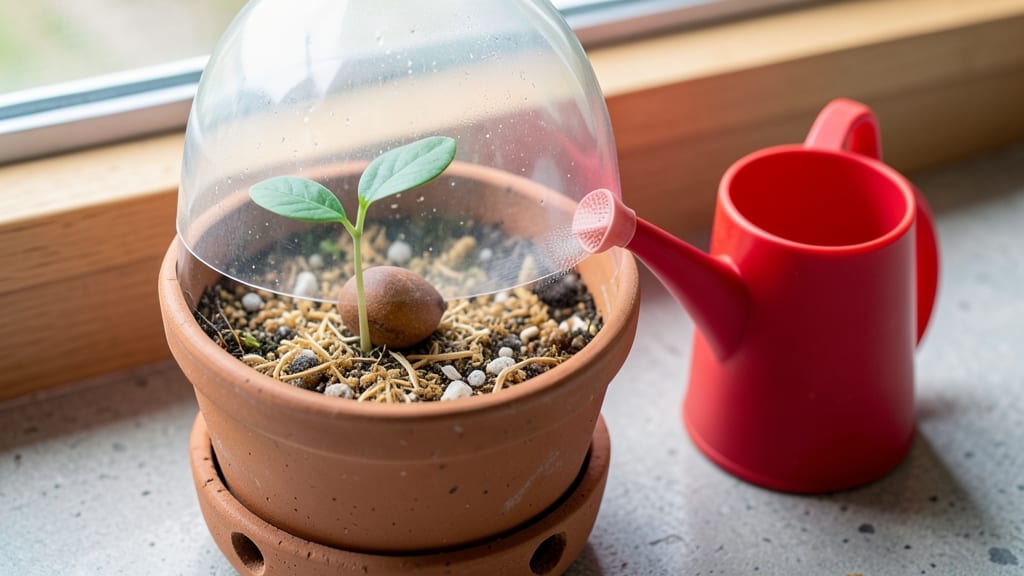
Planting a mango seed in a pot starts with the right patience—and a little trick to speed up germination. 🌱 I’ve tried the standard methods, but this approach cuts the waiting time in half while keeping things simple.
The key? Mimicking tropical conditions right from the start, even if you’re indoors.
You’ll need a small pot with drainage, a mix of potting soil and perlite, and a warm spot—think kitchen windowsill or a heat mat. The seed itself should be fresh (within a month of eating the mango), and a quick soak in warm water overnight jumpstarts the process.
Most people skip this step, but it’s the secret to faster sprouts.
Within 2-4 weeks, you’ll see a sprout breaking through the soil, and with consistent warmth and moisture, it’ll grow into a sturdy seedling. The first leaves will be large and glossy, a sure sign your little tree is thriving. Just avoid overwatering—mango seeds rot faster than they sprout.
Once the seedling hits 6 inches, it’s ready for a bigger pot and more light. Whether you keep it indoors under grow lights or move it outside in summer, the goal is to let it grow strong before transplanting—if your climate allows it.
Even if you never get fruit, watching those leaves unfurl is reward enough.
📚 In This Guide
- What you need
- Instructions
- Tips and common mistakes
- Wrapping up and next steps
What you need
- ● Mango seed: 1 fresh, plump seed (preferably from a ripe, organic mango—avoid seeds from store-bought fruit if possible).
- ● Small pot or container: 1 (4–6 inches in diameter) with drainage holes. Pro tip: A nursery pot or even a recycled yogurt cup with holes works!
- ● Well-draining potting mix: 1 bag (look for a blend labeled "seed starting mix" or "cactus/succulent mix" for lightweight drainage).
- ● Spray bottle: 1 (for gentle watering—no heavy streams!).
- ● Plastic wrap or clear lid: 1 (to create a humidity dome).
- ● Toothpick or pencil: 1 (for marking the seed’s orientation).
- ● Scissors or knife: 1 (for trimming the seed if needed).
- ● Warm location: A spot with indirect sunlight (e.g., a sunny windowsill or under grow lights).
- ● Seedling heat mat: 1 (speeds up germination if your home is chilly).
- ● Fertilizer: A balanced liquid fertilizer (5-5-5 NPK) for after sprouting.
- ● Grow lights: 1–2 (if natural light is limited).
- ● Larger pot (6–8 inches): 1 (for transplanting once the seedling grows).
- ● Humidity tray: A shallow tray with pebbles and water (to boost moisture levels).
Step-by-step instructions for planting a mango seed in a pot
Here’s my foolproof method for getting your mango seed to sprout quickly and grow strong.
🌱 Step 1: Prepare the Seed for Faster Germination
Start by soaking the mango seed in warm water for 24-48 hours. This softens the hard outer shell and speeds up germination. Place the seed in a small bowl or jar, ensuring it’s fully submerged. You’ll know it’s ready when the seed starts to feel slightly softer and the water takes on a faint brown tint.
After soaking, gently rub the seed between your fingers to loosen the outer skin—this helps the root break through faster. Don’t scrub too hard, or you’ll damage the seed. Once prepped, let it dry slightly for 10-15 minutes so it doesn’t become waterlogged when planted.
🪴 Step 2: Choose the Right Pot and Soil Mix
Use a small pot with drainage holes—4-6 inches deep is perfect for a single seed. Fill it with a light, well-draining mix of 50% potting soil and 50% perlite or coarse sand. This prevents waterlogging, which can rot the seed before it sprouts. Tap the pot gently to settle the soil, then moisten it lightly with water until it’s damp but not soggy.
Plant the seed about 1 inch deep, with the pointed end facing downward. This is the root end—if you’re unsure, the seed will naturally orient itself correctly. Press the soil around it lightly to secure it, but don’t compact it too tightly. Water the soil again until it’s evenly moist, but avoid soaking it.
💧 Step 3: Create the Ideal Germination Environment
Cover the pot with a clear plastic bag or humidity dome to trap warmth and moisture—mango seeds germinate best in 75-85°F conditions. Place the pot in a warm, bright spot, but avoid direct sunlight, which can overheat the soil. A windowsill near a warm wall or a seedling heat mat works well. Check the soil daily and mist it lightly if it feels dry to the touch.
Germination can take 2-6 weeks, depending on the seed’s freshness and your growing conditions. Patience is key—don’t disturb the seed or move the pot during this time. Once you see a tiny sprout breaking through the soil, remove the plastic cover immediately to prevent mold or rot.
☀️ Step 4: Care for the Seedling After Germination
Move the pot to a spot with bright, indirect light once the sprout appears. Direct sunlight can scorch the delicate young leaves, so a south-facing window with sheer curtains is ideal. Water the soil when the top inch feels dry, but avoid overwatering—mango seedlings are sensitive to root rot. Use a small watering can or spray bottle to keep the soil evenly moist without disturbing the seedling.
After 4-6 weeks, when the seedling has 2-3 sets of true leaves, you can transplant it into a larger pot (about 8 inches deep) with fresh potting mix. Keep the soil slightly moist but well-drained, and continue providing bright, indirect light. This is when the real fun begins—your mango tree is on its way!
Tips & tricks for fast mango seed germination
These simple tricks will help you skip the guesswork and get your mango seed sprouting faster than ever.
Soaking Secret: The 24-48 hour soak is your secret weapon—don't rush it! I've found that seeds soaked for exactly 48 hours (not less) show the most consistent germination. Change the water halfway through if it gets cloudy, which helps prevent bacteria buildup. The slight brown tint in the water is normal and actually indicates the seed's enzymes are activating.
Seed Orientation: That pointed end you see on your seed? That's your root end—plant it downward. If you're unsure, there's a trick: place the seed on its side in a glass of water. Within 24 hours, the root will grow downward and the sprout upward, showing you which way to plant it. This little test saves second-guessing later.
Humidity Hack: For that critical 75-85°F environment, I keep my seedling setup on top of my fridge—it stays warm without direct heat. If your home runs cooler, place a heating pad on low underneath the pot (covered with a towel) for gentle warmth. The plastic bag creates a mini greenhouse effect, but remember to remove it immediately when you see that first sprout—too much moisture after germination can cause mold.
Light Transition: Once your seedling gets its first true leaves (those look different from the initial seed leaves), gradually introduce more light over 3-4 days. I start with 2 hours of morning sun and slowly increase. This prevents sunburn on those delicate leaves. A south-facing window with sheer curtains is perfect for this transition phase.
Pro Tips for Plant Mango Seed In Pot
- These simple tricks will help you skip the guesswork and get your mango seed sprouting faster than ever.
- Soaking Secret: The 24-48 hour soak is your secret weapon—don't rush it! I've found that seeds soaked for exactly 48 ...
- Seed Orientation: That pointed end you see on your seed? That's your root end—plant it downward. If you're unsure, th...
Frequently asked questions
Got questions about growing a mango tree from seed? You’re not alone! Here are answers to the most common concerns to help you succeed with your plant mango seed in pot adventure.
How long does it take for a mango seed to sprout in a pot?
A mango seed typically sprouts within 2–4 weeks if kept warm (70–85°F), moist, and in bright, indirect light. Patience is key—some seeds take up to 6–8 weeks. If no sprout appears after 2 months, gently check for rot or replant the seed.
Can I plant a mango seed directly in the ground instead of a pot?
While possible, pots are ideal for seedlings because they give you control over soil, drainage, and protection from pests. Once your mango tree grows 3–5 feet tall (usually 1–2 years later), transplant it outdoors. Use a well-draining mix and a slightly larger pot each time.
Why is my mango seed rotting in the pot?
Overwatering or poor drainage is the usual culprit. Let the top 1–2 inches of soil dry between waterings, and ensure your pot has drainage holes. If the seed feels mushy, remove it, trim any rot, and replant it in fresh, dry potting mix. Pro tip: Use a mix of cactus/succulent soil + perlite for better airflow.
Will my potted mango tree ever bear fruit?
Yes, but it’s a long game—mango trees from seed can take 5–10 years to fruit! For faster results, graft a fruiting branch onto your seedling (advanced technique). Even if it doesn’t bear fruit, the tree’s lush foliage makes a stunning houseplant. Bonus: Save seeds from store-bought mangoes (like Alphonso or Kent) for variety!
What if my mango seed doesn’t sprout at all?
Don’t give up! Some seeds are dormant—try these fixes:
- Soak the seed in warm water for 24 hours before replanting.
- Use a seedling heat mat (75–80°F) to speed up germination.
- Try the paper towel method: Wrap the seed in a damp towel, seal in a bag, and wait for a sprout to appear before planting.
Wrapping up and next steps
Growing a mango tree from a seed in a pot is a rewarding journey that combines patience, care, and a little science!
With the right materials—like a well-draining pot, nutrient-rich soil, and consistent warmth—you’ve got everything you need to coax those tiny sprouts into life. 🌱 Remember, slow and steady wins the race, so don’t rush the process; your future tree will thank you for the love and attention.
Now that you’re armed with the germination cheat code, it’s time to take action! Start by planting that seed today—whether it’s a fresh one from your favorite mango or a saved treasure from last summer.
Once your sapling is thriving, keep nurturing it and watch as it grows into a lush, fruit-bearing tree. Happy planting! 🌟