
Lawn
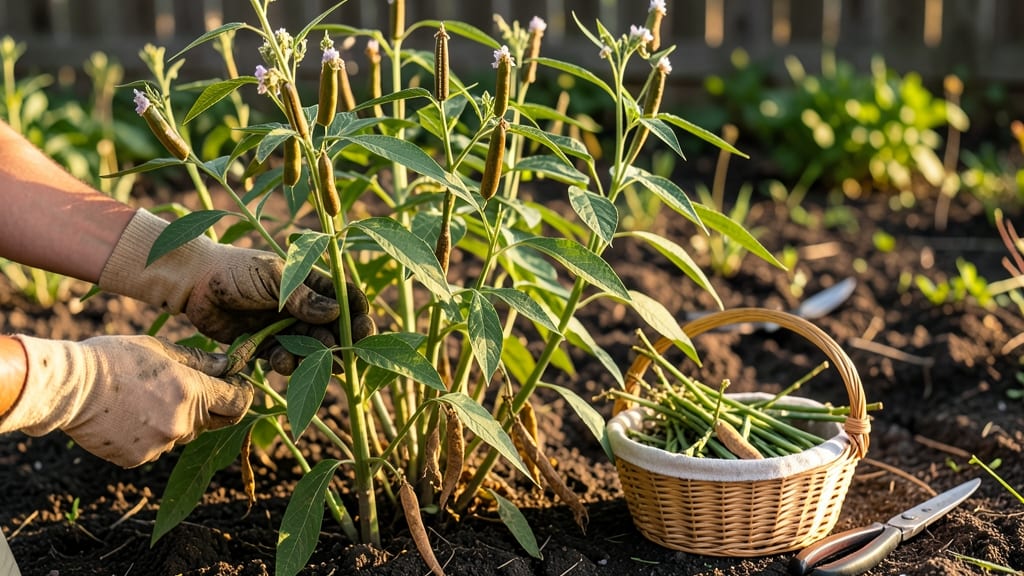
Watching sesame seed growth from tiny sprouts to golden pods feels like unlocking a secret garden treasure—each step packed with anticipation for the tiny black seeds that taste like sunshine. 🌱 I learned the hard way that these heat-loving plants won’t tolerate cold starts, but with the right timing and soil prep, you’ll see those first delicate leaves in just 3-4 weeks, followed by blooms and pods in 60 days—if you play by their rules.
The key is treating sesame seeds like they’re from a tropical paradise: warm soil (at least 70°F), full sun (6+ hours daily), and patience with their slow start. Most gardeners rush the process, but sesame seeds need consistent moisture—not soggy soil—and a loose, well-draining mix to prevent rot.
Think of it as giving them a cozy, well-lit nursery before transplanting.
By late summer, you’ll be harvesting those iconic pods, snapping them open to reveal the seeds inside—each one a tiny reward for your timing. The plants stay compact (just 2-3 feet tall), making them perfect for small gardens or containers.
Just watch for spider mites in dry heat and keep weeds at bay; sesame plants are sensitive but resilient once established.
This method works best in USDA Zones 5-10, but even cooler climates can grow sesame in containers moved indoors during frosty nights. The payoff? Fresh sesame seeds straight from your garden, ready to toast for baking, sprinkle on salads, or press into oil. Let’s get those seeds sprouting!
📚 In This Guide
- What you need
- Instructions
- Tips and common mistakes
- Wrapping up and next steps
What you need
- ● Sesame seeds: 1–2 lbs (organic, non-GMO preferred for best growth). Look for varieties like Bunsi or Til for optimal yield.
- ● Potting soil: 10–15 lbs of well-draining, nutrient-rich potting mix (or garden soil amended with compost). Avoid heavy clay soils!
- ● Containers or garden bed: Containers: 5–10 gallon pots (with drainage holes) for each 1–2 lbs of seeds.
- ● Garden bed: A sunny, 4’ x 4’ plot with loose, fertile soil (pH 6.0–7.5).
- ● Watering can or hose: With a gentle spray nozzle to avoid disturbing seedlings.
- ● Cold stratification setup: Plastic storage bag or damp paper towels (to mimic winter conditions).
- ● Refrigerator (set to 35–40°F for 2–4 weeks) or a cool basement.
- ● Fertilizer: Balanced, water-soluble fertilizer (10-10-10 ratio) or compost tea for organic growth.
- ● Garden gloves: Protect your hands from soil and sharp seed coats.
- ○ Seedling heat mat (optional): For faster germination in cooler climates.
- ○ Grow lights (optional): LED or fluorescent lights for 12–14 hours/day if natural light is limited.
- ○ Mulch (optional): Straw or shredded leaves to retain moisture and suppress weeds.
- ○ pH testing kit (optional): To ensure soil pH is in the ideal range (6.0–7.5).
- ○ Trellis or stakes (optional): If growing sesame for long stems (some varieties reach 3–4 feet!).
How to grow sesame plants from seed in containers
Sesame thrives in warm soil and loves the sun—here’s how to coax those delicate blooms from seed in just two months.
🌱 Step 1: Start Seeds Indoors After Cold Stratification
Sesame seeds need a cold treatment to break dormancy. Place them in a sealed bag with a damp paper towel and refrigerate for 10-14 days. This mimics winter’s chill and signals it’s time to grow. I like to label the bag with the date—it’s easy to forget!
After stratification, fill 4-inch pots with sterile seed-starting mix (the fluffy kind, not garden soil). Press one seed ½ inch deep into each pot—don’t bury it too deep, or it’ll struggle to surface. Water gently until the soil feels damp but not soggy. Sesame seeds germinate best at 75-80°F, so a seedling heat mat helps if your home runs cooler.
☀️ Step 2: Provide Warmth and Light for Germination
Keep the pots in a warm spot with bright, indirect light until sprouts appear, usually in 7-10 days. I place mine under a grow light on a 14-hour cycle—sesame seedlings are finicky about light deprivation. Watch for the first true leaves (not the tiny seed leaves) to confirm germination.
Once sprouts emerge, move them to a south-facing window or under fluorescent grow lights (keep them 2-3 inches away). Sesame plants need full sun to grow strong, so don’t skimp on light. If leaves look pale or stretch toward the light, they’re begging for more intensity.
🪴 Step 3: Transplant Outdoors When Soil Warms
Wait until nighttime temperatures stay above 55°F—sesame hates cold snaps. Harden off seedlings by placing them outside in partial shade for 2 hours daily, gradually increasing exposure over 7-10 days. This toughens them up for the garden.
Transplant into well-draining soil (sesame roots despise soggy conditions) with 12 inches between plants. I mix in a handful of compost at the base to give them a nutrient boost. Water deeply after planting to settle the soil, but avoid overwatering—sesame is drought-tolerant once established.
💧 Step 4: Maintain Water and Watch for Blooms
Water sesame plants once a week unless it rains—too much moisture causes rot. The soil should feel dry 1-2 inches down before watering again. I use a drip irrigation system to keep moisture consistent without wetting the leaves (fungus loves sesame foliage).
In 45-60 days, you’ll see those signature white or blue flowers appear—sesame’s ready to bloom! The plants will look leggy at first, but once flowers form, they’ll fill out. Harvest seeds when pods turn golden-brown and rattle when shaken (usually 70-90 days total).
Tips & tricks for growing sesame from seed
Cold-stratification might sound intimidating, but these simple tricks will help you coax those delicate sesame blooms right from your windowsill.
Cold Stratification Secret: Don't skip the 10-14 days in the fridge—this is non-negotiable for sesame seeds. I've tried planting them straight from the package, and they either never sprout or grow into weak, leggy plants. The cold treatment mimics winter conditions and breaks their natural dormancy. Pro tip: Place a small piece of tape with the date on the bag so you don't forget when to plant them!
Heat Mat Hack: Sesame seeds need that 75-80°F soil temperature to germinate properly, and most homes don't stay that warm. A simple seedling heat mat (about $15) placed under your pots can make all the difference. If you don't have one, try placing your pots on top of your refrigerator during the day—it generates enough heat to help. Just make sure they don't get too hot at night.
Light Intensity Check: Those first 7-10 days of germination are critical for light exposure. If your seedlings start stretching toward the light (a condition called etiolation), they're begging for more intensity. Move them closer to your grow lights—within 2-3 inches—or switch to a stronger LED grow bulb. Pale, elongated seedlings won't survive transplanting outdoors.
Transplanting Timing: The 2-hour daily hardening off period in Step 3 is your chance to test if your seedlings are ready. After a few days of this, gently tug on a leaf—if it resists, your plants are tough enough. I've learned the hard way that rushing this step leads to wilted plants when they finally hit the garden. Also, time your transplanting for early morning or late afternoon to avoid the harshest sun on their first day outside.
Pro Tips for Sesame Seed Growth
- Cold-stratification might sound intimidating, but these simple tricks will help you coax those delicate sesame blooms right from your windowsill.
- Cold Stratification Secret: Don't skip the 10-14 days in the fridge—this is non-negotiable for sesame seeds.
- Heat Mat Hack: Sesame seeds need that 75-80°F soil temperature to germinate properly, and most homes don't stay that warm.
Frequently asked questions
Got questions about growing sesame seeds?
You’re not alone! Here are answers to the most common queries—from timing to troubleshooting—so you can cultivate a thriving sesame crop with confidence.
How long does it take for sesame seeds to germinate?
Sesame seeds typically germinate in 7–14 days after planting, depending on soil warmth and moisture. For faster sprouting, maintain soil temps between 70–90°F (21–32°C) and keep the soil consistently damp (not soggy). If germination takes longer than two weeks, check for overwatering or cold soil, which can delay growth.
Can sesame seeds grow in cooler climates?
Sesame thrives in warm weather (75–90°F / 24–32°C), but with patience, you can grow them in cooler zones. Start seeds indoors 6–8 weeks before the last frost and transplant after soil warms. Alternatively, opt for short-season varieties like ‘Bunsi’ or grow sesame in containers near a sunny wall to extend the season.
What’s the best soil mix for sesame seed growth?
Sesame prefers well-draining, slightly acidic to neutral soil (pH 6.0–7.0). Mix equal parts garden soil, compost, and perlite for optimal aeration. Avoid heavy clay, as it can stunt root development. A light mulch (like straw) helps retain moisture without suffocating plants—just keep it 2–3 inches away from the stem.
Why are my sesame plants wilting or turning yellow?
Wilting or yellowing often signals overwatering, underwatering, or pests. Check the soil—it should feel moist but not muddy. Common culprits include:
- Fungal diseases (e.g., powdery mildew) from high humidity—improve airflow.
- Aphids or spider mites (tiny pests on leaves)—spray with neem oil.
- Nutrient deficiency (e.g., nitrogen)—feed with a balanced fertilizer.
Are there sesame seed alternatives for home gardens?
If sesame proves tricky, try these easy-to-grow, warm-season crops with similar benefits:
- Sunflower (fast-growing, edible seeds, attracts pollinators).
- Flaxseed (cool-tolerant, omega-3 rich, drought-resistant).
- Buckwheat (quick harvest, edible greens/seeds, thrives in poor soil).
Wrapping up and next steps
Growing sesame seeds in just 60 days is not only possible—it’s a rewarding journey that brings vibrant blooms and a bountiful harvest to your lawn or garden! 🌱 By embracing cold stratification and following the right techniques, you’ve unlocked a faster, more efficient way to cultivate these resilient plants.
Whether you’re a seasoned gardener or a curious beginner, your efforts will pay off with lush, thriving sesame plants.
Now that you’re armed with the knowledge and tools to succeed, why not take the next step?
- Start small with a few seeds and experiment with different growing conditions.
- Share your progress with fellow gardeners—inspiration spreads!
- Explore other fast-growing, cold-hardy plants to diversify your green space.