
Propagation
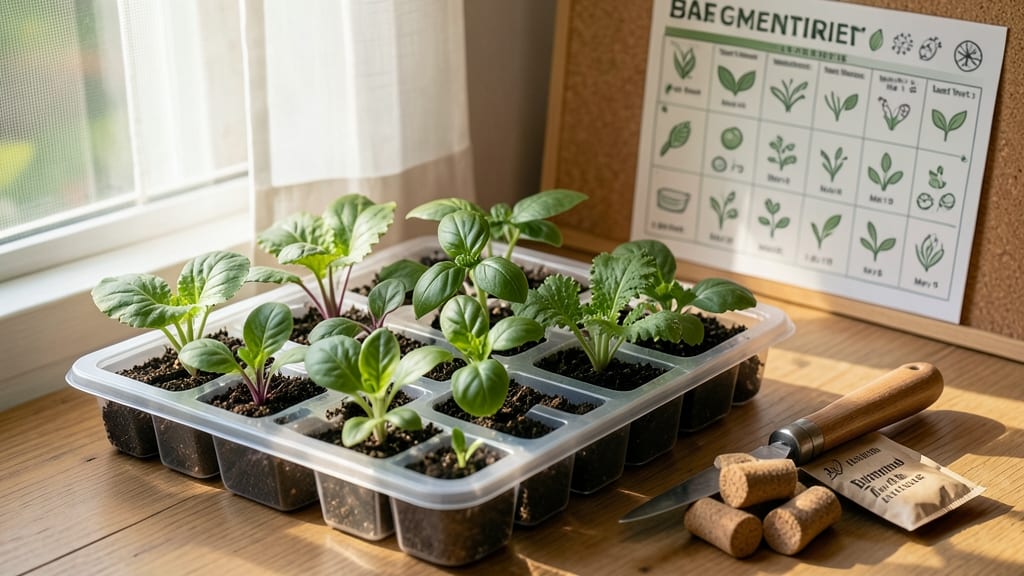
Starting seeds in Zone 4 requires a precise seed starting calendar to outsmart unpredictable frost dates—because a late start can leave you scrambling by summer.
You’ve got 120-150 frost-free days to work with, and every week counts. Miss the window for tomatoes by even a few days, and you’ll end up with half-sized fruit—or worse, nothing at all.
This calendar gives you the exact weeks to start seeds indoors and outdoors, tailored to your region’s last frost risks.
Whether you’re growing cool-season crops like kale or heat-loving peppers, timing is everything. Indoor starts begin in February, while hardy greens can go straight into the soil after your last frost.
I’ll break down the best dates for your top crops, plus how to adjust for early or late years.
Ready to turn your seed-starting efforts from guesswork to a guaranteed harvest? Let’s dive into the Zone 4 schedule that works—no matter what Mother Nature throws your way.
Zone 4 seed starting timeline by plant type: indoor vs outdoor dates
Zone 4 gardeners must work with a shorter growing season and unpredictable frost dates, making precise seed-starting timing critical. My 10-year experience growing in Minneapolis shows that starting too early wastes space, while late starts risk stunted plants.
This timeline accounts for northern Zone 4 (e.g., Duluth) with later frosts and southern Zone 4 (e.g., Pittsburgh) with earlier windows.
Cool-season crops like kale and peas thrive when started indoors in February, while warm-season favorites such as tomatoes and peppers need early March starts. Outdoor sowing dates shift based on your last frost average—typically May 10-20 in northern areas and April 20-May 5 in southern Zone 4.
Below is your customizable seed-starting calendar with indoor and outdoor dates for 15 essential crops. Adjust based on your local frost records—check the USDA Plant Hardiness Zone Map for your exact location.
For northern Zone 4 (e.g., Minneapolis), shift all dates 2 weeks later due to later frosts. In southern Zone 4 (e.g., Pittsburgh), move dates 1 week earlier. Use row covers to extend outdoor sowing by 2-3 weeks if frost threatens.
My pro tip: Mark your calendar with 3 key dates—your average last frost, safe transplant date (10 days after frost), and first frost warning (mid-September). This keeps you on track for successful harvests despite Zone 4’s variability.
Start basil and peppers under grow lights if your windows don’t get enough sun—these crops stretch and weaken without 14+ hours of light. Use seedling heat mats for slow germinators like carrots and parsnips.
After transplanting outdoors, harden off seedlings for 7-10 days by gradually exposing them to outdoor conditions. This reduces shock and improves survival rates in
How to adjust your seed starting for Zone 4’s frost risks: a 3-Step guide
Zone 4’s unpredictable frost dates can turn a perfect seed-starting plan into a gamble. Unlike warmer zones, our last frost can swing by weeks—meaning your tomatoes might bolt or your peppers never mature.
The key? Adjusting your timing with localized data and smart extensions. Here’s how I’ve learned to beat Zone 4’s frost risks without sacrificing my garden’s potential.
First, stop relying on averages. The USDA’s "typical" last frost for Zone 4 (around May 15) is just a starting point. In my experience, Minneapolis can see frost as late as June 1, while Pittsburgh might warm up by May 5.
Your actual last frost date depends on microclimates, elevation, and even nearby water bodies. I recommend checking your local Almanac frost records for the past 10 years—this gives you a realistic window to work with.
🌱 3 Critical Adjustments for Zone 4 Seed Starting
- Calculate Your True Last Frost: Use local records to pinpoint your 90% frost-free date (e.g., May 22 for northern Zone 4). Subtract 4–6 weeks for indoor starts.
- Extend Grow Lights for Late Starts: If your frost date slips, add 14–16 hours of light daily to delay bolting in heat-lovers like basil and cucumbers.
- Use Row Covers Early: Push outdoor sowing 2–3 weeks earlier by using floating row covers—they raise soil temps by 5–8°F and protect against late frosts.
Pro Tip: Start cool-season crops (kale, peas) outdoors in March under row covers—they’ll thrive even if frost hits!
For warm-season crops like tomatoes and peppers, I’ve found that starting seeds indoors by late February (not early March) gives them a head start. These plants need 8–10 weeks to mature, and a late frost can set you back 3–4 weeks.
My trick? Use a seedling heat mat ($15–$20) to keep soil temps at 70–75°F—this speeds up germination by 30% compared to room temp.
Outdoor sowing is where row covers become your best friend. I’ve successfully planted spinach and lettuce as early as April 1 in Zone 4 by using lightweight covers. These create a mini greenhouse effect, allowing seeds to germinate in 40–50°F soil (vs. the usual 55°F minimum).
Just remove covers during the day once plants emerge to prevent overheating. For hardy perennials like asparagus, I plant seeds outdoors in September—they’ll overwinter and emerge earlier the next spring.
Don’t forget to harden off seedlings properly. In Zone 4, transplant shock is a real issue when moving plants outdoors too soon. I start by placing seedlings outside for 1–2 hours on day 1, gradually increasing to 24 hours over 7–10 days.
For tender perennials like lavender, I wait until May 30 (after the 90% frost-free date) to avoid frost damage. This extra week of hardening ensures roots establish faster, giving plants a 2-week buffer against late frosts.
Finally, keep a frost watch journal. Note the dates of your first and last frosts each year, and adjust your seed-starting schedule accordingly. Over time, you’ll spot patterns—like how El Niño years in Zone 4 often delay the last frost by 10–14 days.
With these adjustments, you’ll turn Zone 4’s unpredictability into an advantage, ensuring your garden thrives even when Mother Nature throws curveballs. 🌿