
Lawn
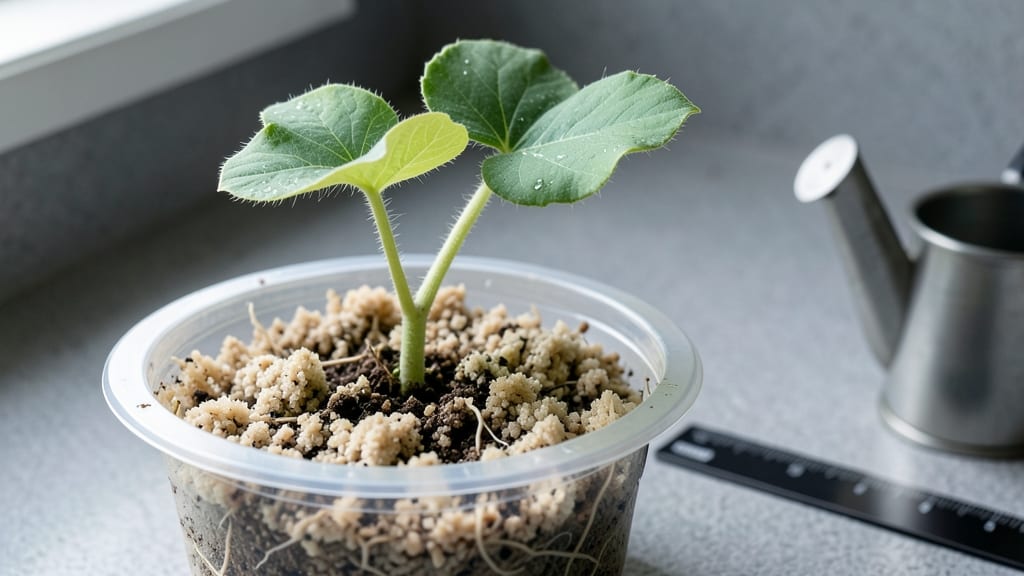
Understanding the exact seed sprouting time for your varieties is the fastest way to turn a guesswork garden into a predictable harvest.
Picture this: you’ve prepped the soil, marked the rows, and planted your seeds—only to wait three weeks for a single sprout to appear. That’s not just patience; it’s wasted time, resources, and the frustration of wondering if you even did it right.
The truth? Some seeds pop up in 3 days, while others take 21 days or more, and knowing the difference can mean the difference between a lush garden and a patch of dirt.
In this guide, I’ll break down the fastest and slowest sprouting seeds by variety, so you can plan your planting schedule with confidence.
You’ll also discover science-backed tricks to speed up germination—like pre-soaking, heat mats, and the right soil temps—so you’re not left staring at a seed tray wondering where the sprouts are.
Whether you’re a beginner or a seasoned gardener, these insights will help you time your plantings perfectly, avoid common mistakes, and get your garden off to a fast, fruitful start.


Fastest and slowest sprouting seeds: exact germination days by variety
Every gardener knows the excitement of watching seeds transform—but not all seeds sprout at the same speed. Some varieties pop up in just 3 days, while others take 30+ days to break through the soil.
Understanding these timelines helps you plan your garden efficiently, avoid false starts, and maximize your planting success. Whether you're growing fast-sprouting radishes or patiently waiting for slow-germinating peppers, knowing what to expect sets you up for victory in the garden.
Seed sprouting time depends on three key factors: the plant variety, soil temperature, and moisture consistency. For example, radishes and basil are among the fastest, often sprouting in 3-5 days when conditions are ideal.
On the other hand, carrots and parsley can take 2-4 weeks to germinate, requiring extra patience and precise care. Below, I’ve broken down the fastest and slowest-sprouting seeds so you can tailor your approach to each variety.
If you're growing fast-sprouting seeds like radishes or lettuce,
How to speed up seed germination: proven techniques for faster sprouting
Waiting weeks for seeds to sprout can feel like an eternity, especially when you're eager to see your garden come to life. The good news? With the right techniques, you can cut germination time by 30-50% without compromising plant health.
Whether you're dealing with slow-sprouting seeds like parsley or impatiently waiting for fast-germinating varieties like radishes, these science-backed methods will help you see those first green shoots sooner.
Germination speed depends on three key factors: seed type, environmental conditions, and pre-treatment methods. Some seeds have hard outer shells that block water absorption, while others need warmth or light to trigger growth.
By understanding these needs and applying targeted techniques, you can transform 14-day germination into 5-7 days—or even faster for some varieties.
- 💧 Pre-soak seeds in warm water for 4-12 hours (e.g., chickpeas, lentils, tomatoes) to soften hard shells and kickstart hydration.
- ✂️ Scarify hard seeds with sandpaper or nick them gently to break dormancy (ideal for peas, roses, delphiniums).
- 🌡️ Use a heat mat (70-85°F) for warm-season crops like peppers and beans—boosts germination by 2-3x.
- ☀️ Provide indirect light (8-12 hours/day) to prevent leggy seedlings; use grow lights if natural light is insufficient.
- 🌱 Maintain consistent soil moisture (not soggy!) with a spray bottle to avoid crusting that blocks oxygen.
- 🔄 Stratify cold-weather seeds (e.g., apples, lilacs) by refrigerating moist seeds for 4-8 weeks before planting.
For fast-sprouting seeds like radishes or lettuce, pre-soaking for just 4-6 hours can shave off 2-3 days from germination. Place them in a bowl of warm (not hot) water, then transfer to a damp paper towel until roots appear.
This method works especially well for organic seeds with untreated coatings that slow moisture absorption.
If you're dealing with hard-shelled seeds like peas or beans, scarification is your secret weapon. Rub the seed gently with sandpaper or use a knife to nick the shell—just enough to let water in without damaging the embryo.
Pair this with a heat mat for warm-season crops, and you’ll see sprouts in half the usual time. For example, green beans typically take 7-14 days, but with these tricks, they’ll emerge in 5-7 days.
Light exposure plays a crucial role, too. While most seeds need darkness to germinate, some—like carrots and parsley—require light to trigger sprouting. Cover your trays with a black plastic sheet for the first 3-5 days, then remove it once seeds are moistened.
For indoor growers, a grow light on a 16-hour cycle mimics spring conditions and speeds up early growth.
Remember, patience is key—even with these techniques, some seeds (like parsley or thyme) may still take 2-3 weeks to sprout. But by combining pre-soaking, scarification, and optimal temperature control, you’ll maximize your chances of success.
Start with easy-to-germinate seeds like radishes or spinach to practice, then graduate to trickier varieties once you’ve mastered the basics.