
Lawn
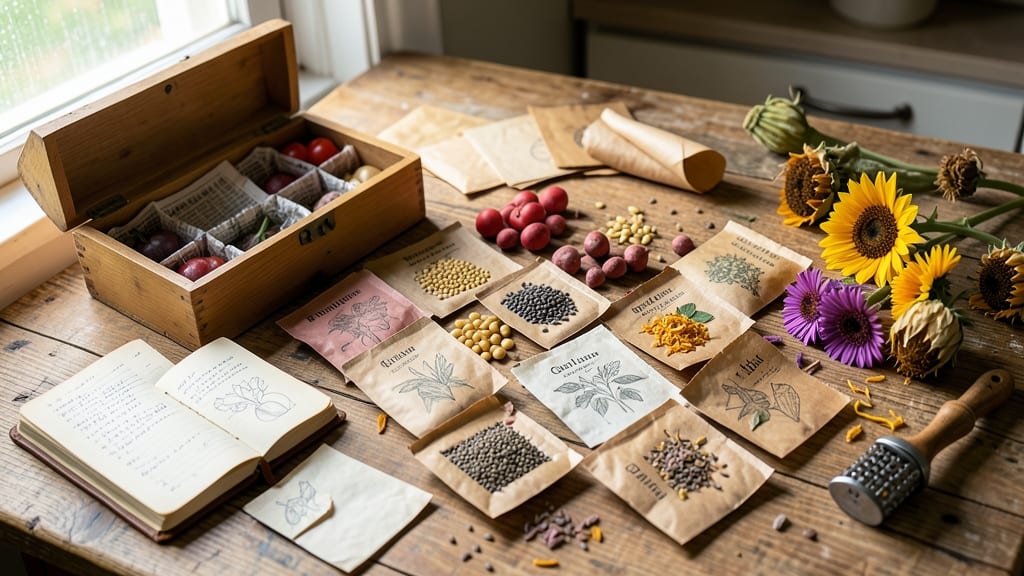
Preserving heirloom seeds through Seed Savers Exchange connects gardeners to a living history. 🌱 I first stumbled upon this network when my great-grandmother’s tomato seeds—saved for decades—produced fruit so sweet it tasted like summer memories. These aren’t just seeds; they’re stories, flavors, and genetic diversity at risk of disappearing.
The exchange works by swapping seeds with fellow gardeners, often for free or minimal cost. You’ll find rare varieties like ‘Cherokee Purple’ tomatoes or ‘Black Krim’ eggplants that grocery stores can’t carry. The best part? You’re not just growing plants—you’re helping preserve biodiversity one seed packet at a time.
Start by joining local seed libraries or online communities like Seed Savers Exchange’s catalog. Save seeds from your own garden by letting a few plants bolt (produce flowers/seeds) and dry them properly. Within a season, you’ll have seeds ready to share—or plant again next year.
This isn’t just gardening; it’s stewardship. Every seed saved is a vote for a future where heirlooms thrive, not just hybrids. Plus, the community support makes it impossible to fail. Ready to grow something meaningful?
📚 In This Guide
- What you need
- Instructions
- Tips and common mistakes
- Wrapping up and next steps
What you need
- ● Heirloom Seeds: Purchase or acquire seeds from Seed Savers Exchange (or other trusted sources). Start with 5–10 varieties to keep things manageable.
- ● Seed Envelopes or Paper Bags: Acid-free, labeled envelopes or small paper bags (10–20) to store seeds. Pro tip: Use a permanent marker or printable labels for variety names and harvest dates! ✨
- ● Desiccant Packets: 5–10 small silica gel packets to absorb moisture and preserve seed viability.
- ● Air-Tight Containers: Mason jars, plastic bins, or resealable bags with zip locks (2–4) for bulk seed storage.
- ● Hand Lens or Magnifying Glass: Helps inspect seed quality and identify impurities.
- ● Notebook or Digital Tracker: For logging seed varieties, harvest dates, and growing conditions.
- ● Seed Catalog or App: For tracking seed-saving progress (e.g., Seed Savers Exchange’s online database or apps like Gardenate).
- ● Humidity Pack: A small packet of uncooked rice or silica gel in a breathable bag to absorb excess moisture.
- ● Seed Viability Test Kit: A DIY test (e.g., paper towel germination) or pre-made kit to check seed health before planting.
- ● Label Printer or Stickers: For professional-looking seed labels (bonus points for eco-friendly materials!).
- ● Garden Journal: To document successes, failures, and notes on seed-saving experiments.
How to build a generational legacy through seed saving
Creating a family garden legacy starts with simple, intentional choices—here's how to begin.
🌱 Step 1: Select Heirloom Varieties for Preservation
Choose open-pollinated heirloom seeds from the Seed Savers Exchange catalog, focusing on varieties with strong disease resistance and flavor. I always prioritize 5-10 varieties per season—too many strains complicate tracking. Look for varieties with clear visual markers like deep purple tomatoes or striped cucumbers; these traits help identify plants during pollination.
Document each variety's characteristics immediately after purchase. I keep a small notebook with notes on germination rates, days to maturity, and any special growing requirements. This becomes your family's seed-saving bible. For example, 'Cherokee Purple' tomatoes need 85-90°F for optimal ripening, while 'Brandywine' prefers cooler 70-75°F conditions.
🌿 Step 2: Establish Isolation Zones for Pure Strains
Create physical barriers between plant varieties to prevent cross-pollination. For wind-pollinated crops like corn or wheat, space varieties at least 1/4 mile apart. For insect-pollinated plants such as tomatoes or peppers, maintain 20-50 feet of separation or use row covers during flowering. I dedicate entire garden sections to single varieties, labeling each with wooden stakes for clarity.
Monitor pollinators carefully during peak flowering. If you notice bees moving between varieties, consider hand-pollinating with a small paintbrush for 1-2 weeks to ensure purity. This extra step preserves the exact traits you want to pass down—like that perfect cherry tomato shape your grandmother loved.
⏰ Step 3: Harvest at Peak Maturity for Seed Viability
Collect seeds only from the healthiest, most vigorous plants—these represent the best genetic material for future generations. For tomatoes, allow fruit to ripen fully on the vine until completely soft (not just red). Squeeze gently—if it yields slightly, it's ready. Remove seeds and ferment them in water for 2-3 days to separate viable seeds from pulp.
Dry seeds completely on paper towels for 5-7 days in a cool, dark place before storing. I use small glass jars with silica gel packets to maintain 5-10% humidity levels. Label each jar with the variety name, harvest year, and any special notes about performance. This system keeps seeds viable for 5-10 years while preserving their original characteristics.
🪴 Step 4: Store Seeds Properly for Long-Term Preservation
Maintain seeds in a cool (32-41°F), dry environment—a refrigerator works perfectly. I organize seeds by family (solanaceae, brassicae, etc.) in clear plastic bins for easy access. Test seed viability annually by planting a small sample; if germination drops below 80%, replace the batch.
Document each year's growing conditions alongside your seeds. Note any pest pressures, weather anomalies, or yield variations. This creates a living record that helps future gardeners adapt your legacy varieties to changing climates. When you share seeds with family members, include these notes—it's the story that makes heirlooms truly special.
Tips & tricks for preserving heirloom seed varieties
These practical strategies will help you maintain pure strains and ensure your garden legacy thrives for generations.
Variety Selection Strategy: When choosing your 5-10 heirloom varieties, prioritize those with distinct visual traits like 'Black Krim' tomatoes with their deep purple-black skins or 'Striped Roman' cucumbers. These markers make identification easier during pollination, reducing the risk of accidental cross-contamination between varieties. I also recommend selecting plants with known disease resistance—this trait often gets passed down through generations.
Pollination Control: For insect-pollinated plants like tomatoes and peppers, the 20-50 foot isolation distance can be challenging in small gardens. Consider using row covers during peak flowering times to create a physical barrier. If you notice bees moving between varieties, hand-pollination with a small paintbrush for 1-2 weeks ensures genetic purity. This method preserves those unique family traits that make heirlooms special.
Seed Viability Testing: Before storing seeds long-term, perform a simple germination test by planting 10 seeds in moist paper towels. After 7-10 days, count how many sprout—if fewer than 80% germinate, your seed batch may need refreshing. This test helps you determine which varieties to keep saving and which might benefit from purchasing fresh seed stock from trusted sources like Seed Savers Exchange.
Storage Environment: The cool (32-41°F) refrigerator storage recommendation works perfectly, but create a dedicated seed-saving drawer to prevent temperature fluctuations. I use small glass jars with silica gel packets to maintain those critical 5-10% humidity levels. Label each jar with the variety name, harvest year, and any special notes about performance—this creates a living record that helps future gardeners adapt your legacy varieties to changing climates.
Pro Tips for Seed Savers Exchange
- These practical strategies will help you maintain pure strains and ensure your garden legacy thrives for generations.
- Variety Selection Strategy: When choosing your 5-10 heirloom varieties, prioritize those with distinct visual traits like 'Black Krim' tomatoes with their deep purple-black skins or 'Striped Roman' cucumbers.
- Pollination Control: For insect-pollinated plants like tomatoes and peppers, the 20-50 foot isolation distance can be challenging in small gardens.
Frequently asked questions
Got questions about joining the Seed Savers Exchange or saving heirloom seeds? Here are some common ones—and their answers—to help you get started!
What’s the difference between heirloom seeds and hybrid seeds?
Heirloom seeds are open-pollinated, meaning you can save and replant them year after year while maintaining the same traits. Hybrid seeds, however, produce plants that may not breed true—so saving seeds from hybrids often won’t yield the same variety. Seed Savers Exchange specializes in heirloom varieties to ensure you’re growing plants with a legacy!
When is the best time to order seeds from Seed Savers Exchange?
Order seeds in early spring (February–March) for summer planting or late summer (August–September) for fall/winter crops. Pro tip: Seed Savers Exchange offers early-bird discounts, so plan ahead! Check their seed availability calendar for specific timing per variety.
Is Seed Savers Exchange only for experienced gardeners?
Absolutely not! Whether you’re a beginner or a seasoned pro, Seed Savers Exchange welcomes everyone. They offer guides for seed saving, tutorials, and even beginner-friendly seed packets. Start small—try saving tomatoes or beans—and build your skills over time!
Can I save seeds from store-bought vegetables?
It depends! If the veggie is labeled heirloom or open-pollinated, you’re in luck—save those seeds! But if it’s a hybrid (like many supermarket tomatoes), the seeds may not grow true. Seed Savers Exchange provides certified heirloom seeds so you can guarantee success and preserve genetic diversity.
What if my saved seeds don’t grow well?
Don’t worry—seed saving has a learning curve! Common issues include old seeds (test viability with a damp paper towel) or poor pollination (hand-pollinate flowers if needed). Seed Savers Exchange offers troubleshooting tips and even a community forum where members share advice. Start with easy-to-save seeds like peas or beans!
Wrapping up and next steps
Joining the Seed Savers Exchange isn’t just about growing plants—it’s about preserving stories, traditions, and biodiversity for future generations. 🌱 Whether you’re a seasoned gardener or just starting, your contribution, no matter how small, helps keep heirloom seeds alive and thriving. Ready to take the next step? Start by browsing the exchange’s catalog, connecting with fellow seed enthusiasts, and sharing your own treasures.
Your garden could be the seed of a legacy!