
Lawn
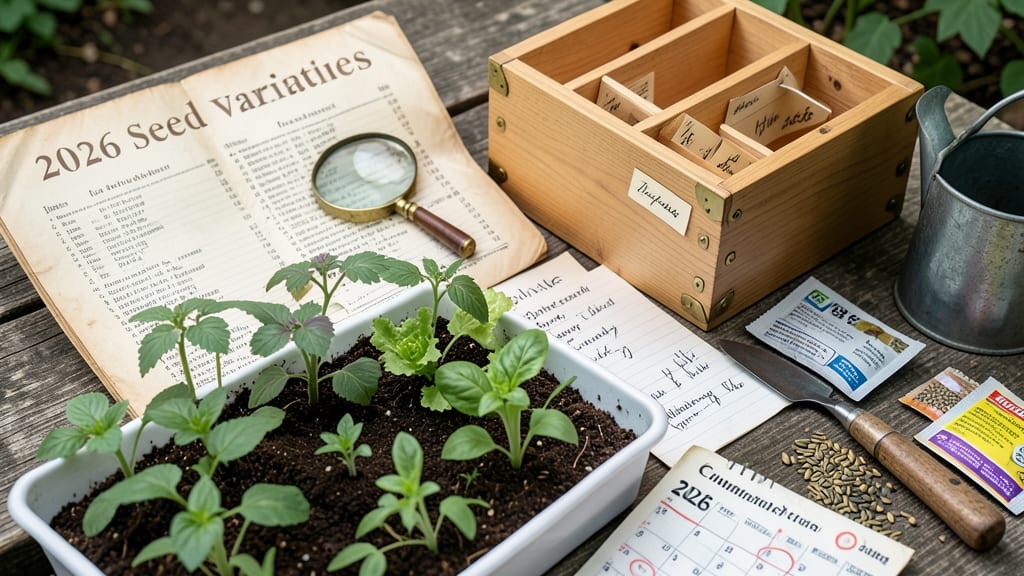
Ordering seeds from the 2026 catalog now means you'll have the best varieties for your garden before they sell out. 🌱 I've learned the hard way—waiting until spring to order leaves you with limited choices, and some heirlooms disappear entirely.
The 2026 catalogs already feature drought-resistant tomatoes, disease-proof cucumbers, and rare open-pollinated flowers that won't be available online later.
Start by comparing catalogs for varieties that thrive in your hardiness zone and soil type. I always check each company's notes on germination rates and days to maturity—these details make the difference between a bountiful harvest and disappointment.
Look for organic seed options too; they're becoming more reliable every year, with better disease resistance than conventional seeds.
You'll end up with a garden that's not just beautiful but also resilient to pests, heat, and unpredictable weather. Imagine snapping fresh beans from vines that stayed productive through a 90-degree heatwave, or harvesting heirloom tomatoes that taste like summer even in cooler climates.
The right seeds make all the difference.
Save your catalogs in a dry, dark place until planting season, and mark key dates like last frost and seed-starting times. This way, you'll know exactly what to plant when—no last-minute scrambling for seeds that won't arrive in time.
📚 In This Guide
- What you need
- Instructions
- Tips and common mistakes
- Wrapping up and next steps
What you need
- ● Seed catalog (2026 edition) – Your roadmap to the perfect lawn varieties! (1 copy, digital or printed)
- ● High-quality seed packets – Choose from cool-season (e.g., Kentucky Bluegrass, Fescue) or warm-season (e.g., Bermuda, Zoysia) grasses based on your climate. (Quantities vary by lawn size—plan for ~10–20 lbs per 1,000 sq. ft.)
- ● Lawn soil tester kit – Ensures your soil’s pH and nutrients are optimal for seed germination. (1 kit)
- ● Lawn rake or aerator – For loosening soil and creating ideal seedbed conditions. (Manual or electric, depending on lawn size)
- ● Broadcast spreader – For even seed distribution. (Adjustable settings for different seed types)
- ● Watering system – Hose with a fine mist nozzle or a sprinkler system for gentle, consistent watering. (Coverage area should match your lawn)
- ● Fertilizer (starter blend) – Low-nitrogen, high-phosphorus fertilizer to kickstart seed growth. (~5–10 lbs per 1,000 sq. ft.)
- ● Organic mulch or straw – Protects seeds from erosion and retains moisture. (~1 bale for small lawns, scale up as needed)
- ● Seedling trays & grow lights – For starting seeds indoors before transplanting (great for cooler climates!).
- ● Soil conditioners – Compost or peat moss to improve soil texture and fertility.
- ● Weed barrier fabric – Blocks weeds while allowing seeds to germinate (ideal for new lawns).
- ● Lawn roller – Lightly compacts soil after seeding for better seed-to-soil contact.
- ● Garden journal – Track seed varieties, planting dates, and growth progress!
How to select and plan for your 2026 seed catalog
Here’s how I approach the seed catalog each year—balancing variety, climate, and garden goals.
🌱 Step 1: Assess Your Garden’s Unique Conditions
Start by noting your hardiness zone, average frost dates, and microclimates (like sunny spots or shaded corners). I always check my local weather trends for the past five years to spot patterns—like early springs or late frosts—that might affect planting timing. Jot down which areas get full sun, partial shade, or full shade, and note soil types (sandy, clay-heavy, or loamy).
This step prevents wasted money on seeds that won’t thrive in your space. For example, I skip heat-sensitive lettuce varieties if my summers routinely hit 90°F—they bolt too fast. Instead, I lean toward bolt-resistant types like ‘Jericho’ or ‘Black Seeded Simpson.’
🌿 Step 2: Prioritize Varieties Based on Your Goals
Decide whether you’re growing for harvest quantity, flavor intensity, disease resistance, or ornamental value. I like to allocate about 60% of my budget to staple crops (tomatoes, peppers, greens) and the remaining 40% to experimental or heirloom varieties I’ve never tried. Look for seeds labeled as open-pollinated if you want to save seeds year after year.
Pro tip: Scan catalogs for disease-resistant codes (like ‘V’ for verticillium wilt or ‘F’ for fusarium). If your garden struggles with specific pests, prioritize those varieties. I also check seed-saving notes—some companies highlight which varieties are easy to dry and store for next year.
☀️ Step 3: Plan for Succession Planting and Spacing
Calculate how much space each variety needs at maturity and map out your garden layout. I sketch a rough grid, noting rows for fast growers (like radishes) alongside slow maturers (like cabbage). Succession planting is key—plan to sow every 2-3 weeks for crops like lettuce or beans to ensure a continuous harvest.
Don’t forget vertical space! Trellises for pole beans or cucumbers save ground area and improve airflow, reducing disease risk. I also set aside a small section for companion plants (like basil near tomatoes) to naturally deter pests. Catalogs often include planting diagrams—use them to visualize yields and spacing.
⏰ Step 4: Order Early and Track Deadlines
Place orders as soon as catalogs arrive—popular varieties sell out fast. I mark my calendar with arrival windows (usually 6-8 weeks before last frost) and planting deadlines (like 4-6 weeks before for tomatoes). Some seeds need stratification or scarification; check catalog notes for pre-treatment instructions. I pre-soak large seeds like peas or beans overnight to speed germination.
Order extras of your top performers—seed viability drops after 2-3 years, so having backups ensures you’re not left with last year’s stale stock. I also save a few packets of my favorite heirlooms to swap with fellow gardeners, reducing next year’s catalog costs.
🌱 Step 5: Organize and Store Seeds for Next Year
Once seeds arrive, label each packet with the variety name, purchase year, and germination date (usually printed on the packet). Store them in a cool, dark place (like a sealed jar in the fridge) to maintain viability. I also snap photos of mature plants to jog my memory next season—some catalog descriptions are vague!
Take notes on what worked and what didn’t. For example, if ‘Brandywine’ tomatoes struggled with blight, I’ll skip that variety next year and try ‘Mountain Merit’ instead. This rolling feedback loop turns your catalog into a living document of your garden’s evolution.
Tips & tricks for navigating your 2026 seed catalog
These insider strategies will help you make the most of your seed selection process without the common pitfalls.
Climate-Specific Selection: When assessing your hardiness zone in Step 1, don't just rely on the official zone map—check your local microclimates. I've found that my south-facing raised bed often runs 5°F warmer than the official zone, allowing me to grow varieties that wouldn't normally thrive here. Use a simple maximum-minimum thermometer for a week to get precise temperature data that will guide your variety choices.
Budget Allocation Strategy: The 60/40 split in Step 2 is a great starting point, but I recommend adjusting based on your garden's maturity. New gardeners might allocate 70% to staples to build confidence, while experienced growers can safely experiment with that 40% for heirlooms. Always prioritize open-pollinated varieties for seed saving—this pays dividends in future years when seed costs rise.
Succession Planting Visualization: For the 2-3 week succession planting in Step 3, I create a simple spreadsheet with columns for variety, planting date, harvest window, and notes. Color-code by crop family to easily spot companion planting opportunities. This visual tool helps prevent planting gaps and ensures you'll have fresh harvests throughout the season.
Seed Viability Extension: To maximize the 2-3 year viability window mentioned in Step 4, store seeds in small glass jars with silica gel packets. I also include a tiny piece of chalk in each jar—it absorbs moisture and helps maintain seed quality. Label each jar with the variety name and purchase date, then store them in your refrigerator's crisper drawer where temperatures stay consistently cool.
Pro Tips for 2026 Seed Catalog
- These insider strategies will help you make the most of your seed selection process without the common pitfalls.
- Climate-Specific Selection: When assessing your hardiness zone in Step 1, don't just rely on the official zone map—check your local microclimates.
- Budget Allocation Strategy: The 60/40 split in Step 2 is a great starting point, but I recommend adjusting based on your garden's maturity.
Frequently asked questions
Got questions about the 2026 seed catalog?
You’re not alone! Here are answers to the most common queries to help you plan your garden like a pro.
What’s the best time to order seeds from the 2026 catalog?
Order seeds 6–9 months before planting—typically late winter to early spring for spring/summer crops. For fall/winter varieties, aim for late summer. Early ordering ensures availability and lets you plan succession plantings. Pro tip: Check the catalog’s planting zone map to align timing with your local frost dates!
Can I still get seeds if I miss the early-bird deadline?
Most seed companies accept orders year-round, but popular varieties may sell out. Set a reminder for January–February to secure your favorites. If you’re late, explore heirloom or less common seeds—they often stay in stock longer. Bonus: Some catalogs offer “last-chance” sales in late spring!
Are there affordable alternatives to premium seed catalogs?
Yes! Try local seed swaps, farm co-ops, or budget-friendly online retailers like Baker Creek Heirloom Seeds or Seed Savers Exchange. DIY tip: Save seeds from your best-performing plants—many veggies (tomatoes, beans, peppers) regrow easily!
How do I choose the right seeds for my climate?
Use the catalog’s USDA Plant Hardiness Zone filter to narrow options. Look for disease-resistant or drought-tolerant varieties if you’re in a hot/dry area. Quick check: Search “[your state] + best garden seeds” for regional recommendations!
What if my seeds don’t germinate?
First, check storage conditions—seeds need a cool, dry place. If they’re old (<2 years), try soaking them in lukewarm water for 12 hours before planting. For stubborn seeds, scratch the seed coat gently with sandpaper or use a seed starter kit for warmth.
Wrapping up and next steps
The 2026 seed catalog is your golden ticket to a lush, vibrant garden—packed with expert-curated varieties that promise resilience, beauty, and bountiful harvests. Whether you're a seasoned gardener or just starting, these seeds are your partners in growth, designed to thrive in diverse climates and soil conditions.
🌱 Ready to plant the future? Start by marking your must-have varieties, ordering early for the best selection, and sketching your garden layout. Then, dig in—your dream garden is just a seed away! 🌿