
Lawn
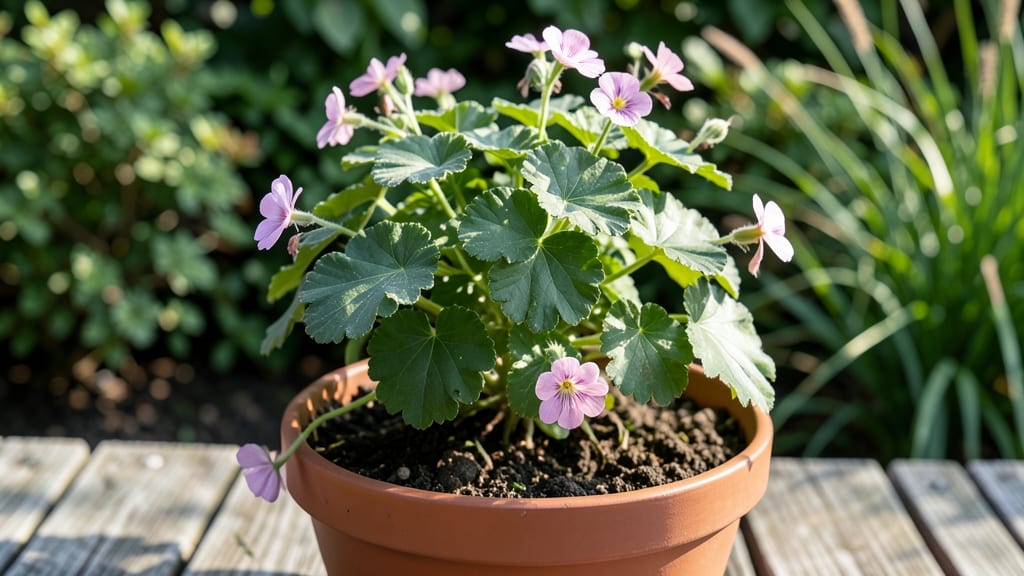
The care for seed geraniums turned my patchy starts into a lush display of blooms every spring with just 60 days of predictable growth. 🌱 The trick isn't complicated—it's about mimicking winter's chill to break dormancy, so those tiny seeds wake up ready to grow. Most beginners overwater or give up too soon, but with the right timing and setup, you'll watch those first green leaves push through the soil like clockwork.
You'll need just three supplies: a plastic bag, some damp paper towels, and a fridge shelf. No fancy equipment—just patience and a little science. Plant your seeds at ¼-inch deep in well-draining potting mix, then refrigerate for 6 weeks before moving them to bright light.
This cold treatment mimics the natural cycle geraniums need to germinate reliably, cutting out the frustration of waiting months for inconsistent results.
Once they sprout, keep the soil moist but never soggy—geraniums hate wet feet—and place them in a sunny window or under grow lights for 12-14 hours daily.
You'll see those first true leaves in 7-10 days, and by day 60, you'll be transplanting sturdy seedlings into your garden beds. The payoff? A vibrant, long-blooming display that outshines store-bought plants by summer.
This method works for both indoor starts and outdoor transplants, whether you're growing in containers or garden beds. The key is consistency—no rushing the cold stratification, and no letting seedlings dry out once they sprout. Trust the process, and you'll have geraniums that thrive all season long.
📚 In This Guide
- What you need
- Instructions
- Tips and common mistakes
- Wrapping up and next steps
What you need
- ● Seed geranium seeds – Choose cold-hardy varieties like Pelargonium × hortorum (1–2 packets, ~50–100 seeds total).
- ● Cold stratification setup: Small plastic bag or damp paper towel (for seed pre-treatment)
- ● Refrigerator (35–40°F / 2–4°C for 60 days)
- ● Seed-starting containers – 4–6" deep trays with drainage holes (or individual pots).
- ● Well-draining potting mix – Lightweight blend (e.g., 50% peat moss, 30% perlite, 20% vermiculite).
- ● Grow lights or sunny windowsill – 6+ hours of light daily (south-facing window or LED grow lights).
- ● Misting bottle or spray nozzle – For gentle watering (avoid oversaturation).
- ● Plant labels & pencil – Track varieties and planting dates!
- ● Bottom watering tray – Keeps moisture consistent without overwatering.
- ● Humidity dome – Speeds up germination (remove once sprouts appear).
- ● Fertilizer (low-nitrogen) – 5-10-10 or fish emulsion (diluted to half-strength) after 4–6 weeks.
- ○ Heat mat (optional) – If your home is chilly (<55°F / 13°C), speeds up germination.
- ● Pruning shears – For pinching back leggy seedlings later.
Step-by-Step instructions for growing geraniums from cold-stratified seeds
Cold stratification breaks dormancy—here's how to coax those tiny geranium seeds into vigorous plants in just 60 days.
🌱 Step 1: Stratify Seeds for Maximum Germination
Mix your seeds with a dampened sand-peat-perlite blend in a sealed container. I use a plastic bag with a twist tie, placing it in the refrigerator's crisper drawer where temperatures hover around 35-40°F. Keep the mix moist but not soggy—squeeze a handful to check; it should hold together without dripping.
Stratify for 4-6 weeks. You'll see nothing happening at first, but this chilling period mimics winter's natural conditions and signals seeds it's safe to sprout. Real talk: Skipping stratification means waiting months for germination—or never seeing any at all.
☀️ Step 2: Sow Stratified Seeds in Warmth
After stratification, fill 2-inch deep seed trays with a sterile seed-starting mix and press it down lightly. Scatter seeds 1/8 inch deep—any deeper and they'll struggle to reach light. Cover with a fine layer of vermiculite to retain moisture while allowing light penetration.
Place trays on a seedling heat mat set to 70-75°F. This warmth triggers germination within 10-14 days. You'll notice tiny green spears pushing through the soil surface first—this is your signal to stop watering from above. Instead, bottom-water by placing trays in 1/4-inch deep water for 10 minutes, letting the soil absorb moisture evenly.
🌿 Step 3: Provide Light and Thin Seedlings
Once seedlings emerge, move them under grow lights positioned 2-3 inches above the tallest sprouts. Geraniums need 14-16 hours of light daily to prevent leggy growth. You'll see strong seedlings develop deep green leaves and compact stems—if they stretch toward the light, lower the fixture immediately.
When seedlings reach 1-2 inches tall (about 3-4 weeks after sowing), thin to one plant per cell. Use scissors to snip unwanted seedlings at soil level—this prevents disturbing roots of remaining plants. The reason we thin is simple: crowded seedlings compete for nutrients, resulting in weak, spindly plants that never reach their full potential.
🪴 Step 4: Harden Off and Transplant
Begin hardening off 2 weeks before your last frost date by placing seedlings outside in a sheltered spot for 1-2 hours daily. Gradually increase exposure, watching for leaves that stay crisp rather than wilted. Geraniums are frost-sensitive, so never let temperatures drop below 45°F during this process.
Transplant after all danger of frost has passed, spacing plants 10-12 inches apart in well-draining soil. The key here is patience—rushing leads to transplant shock. Water deeply at the base, keeping soil moist but not waterlogged for the first 2 weeks after moving outdoors. You'll know they've settled in when new leaves appear within 10-14 days.
✂️ Step 5: Maintain Through First Season
Geraniums thrive with morning sun and afternoon shade in hot climates. Water at the base when the top 1-2 inches of soil feel dry—overhead watering promotes fungal diseases. You'll see flowers appear 8-10 weeks after transplanting, signaling the plant has established strong roots.
Deadhead spent blooms regularly to encourage continuous flowering. Pinch back leggy stems in early summer to promote bushier growth. Here's the thing—geraniums reward consistent care with vibrant blooms from early summer until frost. The secret is staying on top of deadheading and avoiding heavy feeding, which produces lush foliage at the expense of flowers.
Tips & tricks for perfect seed geranium growth
These insider strategies will help you bypass the most common pitfalls and grow showstopping geraniums from seed.
Stratification Precision: The 4-6 week cold stratification is non-negotiable for geranium seeds, but here's the secret: use a small thermometer to confirm your refrigerator's crisper drawer stays between 35-40°F consistently. I've seen germination rates drop dramatically when temps fluctuate above 45°F—seeds need that steady chill to break dormancy properly. Pro move: Label your container with the start date so you don't forget when those 4-6 weeks are up.
Lighting Science: Those 14-16 hours of daily light in Step 3 are critical, but don't just set it and forget it. Adjust your grow lights every 2-3 days as seedlings grow—keeping them 2-3 inches above the tallest sprouts prevents leggy stems. I use a small ruler taped to the light fixture to track height. Watch for seedlings stretching toward the light like tiny sun-worshippers—that's your cue to lower the fixture immediately.
Watering Technique: The 10-minute bottom-watering method in Step 2 works wonders, but here's what nobody tells you: Use room-temperature water for this process. Cold water can shock tender roots, while warm water helps prevent fungal issues. I fill a shallow tray with ¼-inch of water and let the seed trays soak up moisture from below—this ensures even hydration without disturbing delicate seedlings.
Transplant Timing: Waiting until you see new leaves appear within 10-14 days after transplanting (Step 4) is the best indicator of success, but here's my extra tip: Time your transplanting to coincide with a warm, overcast day. The gentle light and humidity reduce transplant shock significantly. I've found that morning transplanting gives roots a full day to settle before evening temperatures drop.
Pro Tips for Seed Geranium Care
- These insider strategies will help you bypass the most common pitfalls and grow showstopping geraniums from seed.
- I've seen germination rates drop dramatically when temps fluctuate above 45°F—seeds need that steady chill to break dormancy properly.
- Lighting Science: Those 14-16 hours of daily light in Step 3 are critical, but don't just set it and forget it.
Frequently asked questions
Got questions about growing seed geraniums from scratch?
You’re not alone! Here are the most common concerns—and straightforward answers—to help you avoid pitfalls and grow vibrant blooms with confidence.
How do I know if my seed geraniums are getting enough light?
Seedlings thrive in bright, indirect light (like a sunny windowsill or grow light). If leaves stretch tall and pale (a sign of etiolation), move them closer to a light source. Avoid harsh midday sun, which can scorch tender seedlings. A south-facing window or LED grow light 4–6 inches above works best.
Why aren’t my geranium seeds sprouting after 2 weeks?
Patience is key! Geranium seeds often take 2–4 weeks to germinate, especially if cold-stratified. Check moisture levels—soil should stay consistently damp (not soggy). If using stratification, ensure seeds spent 4–6 weeks in the fridge before planting. If no sprouts appear after 6 weeks, try fresh seeds or adjust humidity with a clear plastic dome.
Can I overwater seed geraniums?
Overwatering is the #1 killer of seedlings. Let the top ½ inch of soil dry out between waterings, and use a tray with drainage holes to prevent root rot. Bottom-watering (placing the tray in shallow water for 10–15 minutes) keeps moisture even without drowning roots. Yellowing leaves or mushy stems? You’ve overdone it.
What’s the best temperature for germinating geranium seeds?
Ideal temps are 65–75°F (18–24°C) for consistent germination. If your home dips below 60°F (15°C), use a seedling heat mat or place pots on a warm appliance (like a fridge top). Avoid extremes—above 80°F (27°C) can slow sprouting. A simple thermometer ensures you’re in the sweet spot.
Can I plant seed geraniums directly outside instead of starting indoors?
Direct sowing is possible in warm climates (zones 8–10) after the last frost, but most gardeners start indoors for better control. If you try it outdoors, wait until soil temps reach 60°F (15°C) and protect seedlings with row covers. Cold soil slows germination, and young plants may struggle with pests or uneven growth. Indoor starts give you a 6-week head start!
How do I prevent pests like aphids or fungus gnats from attacking my seedlings?
Start with sterilized soil and avoid overcrowding. For aphids, blast seedlings with water to dislodge them or use neem oil. Fungus gnats? Let the soil dry slightly between waterings and top-dress with sand or cinnamon to deter eggs. Yellow sticky traps near seedlings can catch adults before they multiply. Healthy, well-ventilated seedlings resist pests better!
Wrapping up and next steps
Growing seed geraniums from scratch is a rewarding journey—especially when you skip the guesswork with cold stratification! With the right materials, patience, and a little care, you’ll enjoy vibrant blooms in just 60 days. Remember: consistent moisture, gentle warmth, and a watchful eye are your best tools.
Ready to turn your green thumb into a geranium-growing legend? Start by gathering your seeds and supplies, then dive in with confidence. Every sprouted seed is a step closer to a stunning garden—happy planting! 🌱✨