
Size
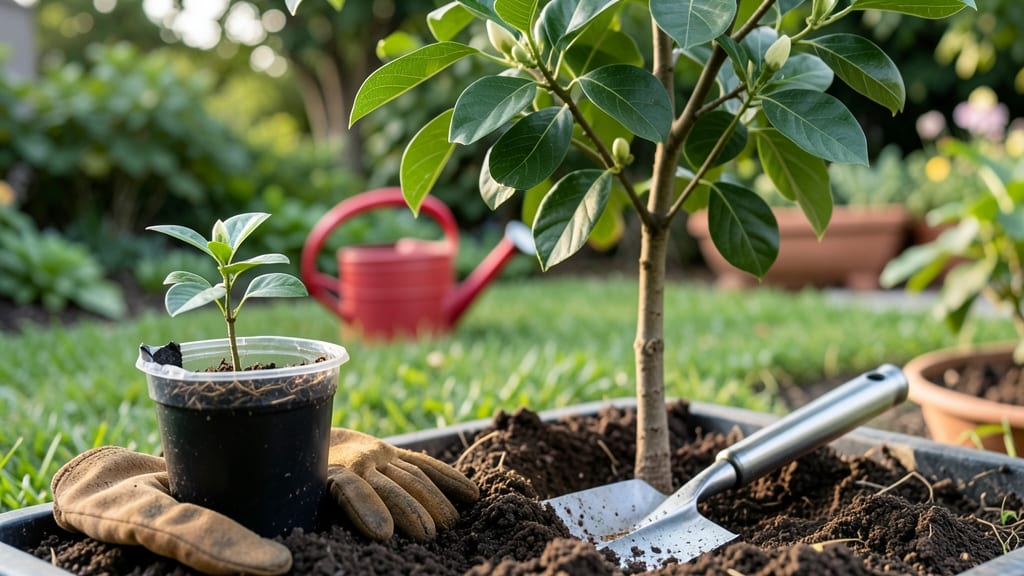
Growing a loquat tree from seed in your garden means sweet, fragrant fruit in your future—if you break the dormancy cycle first. 🌱 The key is cold stratification, a process that mimics winter's natural trick to wake up those stubborn seeds.
Without it, you might wait years for sprouts, but with 60 days in the fridge, you'll see green in just a few weeks.
Start with fresh seeds from ripe loquats—no need for fancy tools, just a plastic bag, some damp paper towels, and your fridge's crisper drawer. The stratification mimics winter chilling, which breaks dormancy so seeds germinate reliably.
Once they sprout (usually 3-6 weeks in cold), you'll transplant them to soil and watch them grow into a real tree.
You'll end up with a sturdy seedling ready for a sunny spot in your garden by spring. The first leaves will be small but vibrant, and with proper care, you could have fruit in 5-7 years. The process is simple but requires patience—no shortcuts here, just nature's timing.
Works best in zones 7-10, but even cooler climates can try this method with extra care. The secret is consistency: keep the seeds moist but not soggy during stratification, and give seedlings bright light once they sprout. Here's how to do it right the first time.
📚 In This Guide
- What you need
- Instructions
- Tips and common mistakes
- Wrapping up and next steps
What you need
- ● Loquat seeds: 5–10 fresh, plump seeds (harvested from ripe fruit—avoid dried or shriveled ones!)
- ● Cold stratification supplies: 1 small plastic bag or airtight container (with ventilation holes)
- ● Moistened peat moss or coco coir (1 cup)
- ● Ice cube tray or labeled ziplock bag (for seed organization)
- ● Potting mix: 1–2 gallons of well-draining seedling mix (or 50% peat moss + 50% perlite/vermiculite)
- ● Small pots or seed trays: 2–4 (3–4 inch diameter) with drainage holes
- ● Grow lights or sunny windowsill: Access to 6–8 hours of indirect light daily
- ● Basic tools: Small hand trowel or spoon (for transplanting)
- ● Spray bottle (for gentle watering)
- ● Ruler or measuring tape (to monitor seedling growth)
- ○ Optional (but helpful!): Humidity dome or plastic wrap (to retain moisture)
- ● pH testing kit (ideal soil pH: 6.0–7.0)
- ● Fertilizer: Balanced 10-10-10 (diluted to half-strength for seedlings)
- ● Garden journal (to track stratification progress!)
- ● Patience: Cold stratification takes 60–90 days—plan ahead!
- ● Space: A cool (35–45°F) spot for stratification (fridge crisper drawer works!)
- ● Time: 10–15 minutes weekly to check moisture and monitor seeds.
Step-by-step instructions for growing loquat trees from seeds
Cold-stratifying loquat seeds unlocks reliable germination—here’s how to do it right the first time.
🌱 Step 1: Harvest and Prepare Fresh Seeds
Pick ripe loquats from your tree (or use store-bought ones), scoop out the seeds, and rinse them clean. Remove any seeds with soft spots or mold—they won’t sprout. I like to soak them in lukewarm water for 12 hours to soften the outer coating, which speeds up germination later. After soaking, pat them dry with a paper towel and let them air-dry for 24 hours at room temperature.
Store the dried seeds in a sealed plastic bag in the refrigerator for 60 days to complete cold stratification. This mimics winter conditions and breaks seed dormancy. Mark the bag with the date so you don’t forget—60 days is critical for successful germination. If you skip this step, seeds may stay dormant for months or never sprout at all.
❄️ Step 2: Plant Stratified Seeds in Moist Growing Medium
Fill a small container (like a seed tray or even a repurposed yogurt cup) with sterile seed-starting mix—never garden soil, as it’s too dense and can harbor fungi. Moisten the mix until it feels like a wrung-out sponge: damp but not soggy. Plant 2-3 seeds per container, pressing them ½ inch deep into the soil. I use a toothpick to make small holes—it’s precise and avoids disturbing the soil surface.
Cover the container loosely with plastic wrap or a humidity dome to retain moisture. Place it in a warm spot (70-75°F) where indirect light filters in, like a sunny windowsill away from direct afternoon sun. Check the soil daily—it should stay evenly moist but not waterlogged. Overwatering now causes rot before germination even begins.
☀️ Step 3: Germinate and Transition to Light
Germination typically starts in 4-8 weeks, but don’t be surprised if it takes up to 12 weeks—loquat seeds are patient. Once you see the first true leaves (not the tiny seed leaves), remove the plastic cover immediately. These seedlings are delicate and need airflow to prevent damping-off, a fungal disease that collapses stems overnight.
Move the seedlings to a bright, indirect light spot (like a south-facing window with sheer curtains) for 2 weeks. After that, gradually introduce them to 4-6 hours of morning sun daily. You’ll know they’re getting enough light when the leaves are deep green and compact—not stretched out or pale. If they grow leggy, your light is too weak, and they’ll never recover proper strength.
🪴 Step 4: Transplant and Harden Off Seedlings
When seedlings reach 4-6 inches tall with 4-5 true leaves, transplant them into 4-inch pots filled with a mix of 50% potting soil and 50% perlite for drainage. Handle the seedlings by their leaves—never the stems—to avoid damage. Water them lightly after transplanting to settle the soil around the roots.
Begin hardening off 2 weeks before outdoor planting. Start by placing the pots outside in a shaded, sheltered spot for 1 hour the first day, then gradually increase their time outdoors by 1 hour daily. By the end of the 2-week period, they should tolerate full sun and wind without wilting. This slow transition prevents shock and gives them a fighting chance against pests and heat stress.
⏰ Step 5: Plant Outdoors and Care for Young Trees
Choose a sunny location with well-draining soil—loquats hate soggy roots. Dig a hole twice as wide as the root ball but only as deep as the pot. Gently remove the seedling, loosen the roots if they’re circling, and place it in the hole. Backfill with soil, firm it lightly, and water deeply to eliminate air pockets.
Mulch around the base with 2-3 inches of organic mulch (like wood chips) to retain moisture and regulate soil temperature. Water once a week during the first growing season, aiming for 1 inch of water per week. Avoid overhead watering—direct water to the base to prevent fungal diseases. In 2-3 years, your loquat tree will bear fruit, but patience is key with seed-grown trees.
Tips & tricks for cold-stratified loquat seedlings
Here's what nobody tells you about growing these finicky seeds—small details that make all the difference.
Seed Selection: Choose only the plumpest, firmest seeds from fully ripe loquats. I learned this the hard way after planting soft seeds that refused to sprout. Look for seeds that sink immediately in water—floating seeds are often hollow or damaged. Store-bought loquats work too, but pick ones with vibrant color and no bruising on the fruit.
Stratification Timing: The 60-day cold period is non-negotiable for breaking dormancy, but you can start this process anytime between fall and early spring. I recommend beginning in November if you want spring seedlings. Mark your calendar with the start date so you don't accidentally skip days—consistency is key during this critical period.
Germination Environment: Maintain that 70-75°F warmth during germination, but don't be tempted to move containers to direct sunlight too soon. I've seen seedlings scorch within hours when exposed to strong afternoon sun before they're ready. The gradual light transition in Step 3 is crucial—it builds their resilience without shocking the delicate new growth.
Transplanting Hack: When it's time to transplant your 4-6 inch seedlings, use a small wooden dowel to gently loosen the root ball before removing from the pot. This prevents root circling, which can strangle your young tree as it grows. The extra 5 minutes pays off in stronger, healthier plants that establish faster in their permanent home.
Pro Tips for Loquat Seed Grow A Garden
- Here's what nobody tells you about growing these finicky seeds—small details that make all the difference.
- Seed Selection: Choose only the plumpest, firmest seeds from fully ripe loquats. I learned this the hard way after pl...
- Stratification Timing: The 60-day cold period is non-negotiable for breaking dormancy, but you can start this process...
Frequently asked questions
Got questions about growing loquat trees from seed? You’re not alone—this process has a few quirks! Below, we’ve rounded up the most common questions (and answers) to help you avoid pitfalls and grow confidently.
How long does it take for loquat seeds to sprout after cold stratification?
With proper cold stratification (4–6 weeks in the fridge), most loquat seeds sprout within 10–20 days after planting. Keep soil moist (not soggy) and warm (70–75°F) for best results. Patience is key—some seeds may take up to 30 days!
Do loquat seeds need light to germinate?
Nope! Seeds germinate best in darkness during the cold stratification phase. Once planted in soil, they’ll need indirect light (like a bright windowsill) until sprouts emerge. Direct sun can dry out the soil too quickly—wait until seedlings are 2–3 inches tall before introducing full sunlight.
What if my loquat seeds don’t sprout after stratification?
Don’t toss them yet! Try these fixes:
- Re-stratify: Place seeds back in the fridge for another 2–4 weeks.
- Check moisture: Soak dry seeds in warm water for 24 hours before replanting.
- Test viability: Cut open a seed—if it’s hard and white inside, it’s likely still good.
Can I grow a loquat tree from seed indoors, or does it need outdoor space?
Yes! Start indoors in pots (6+ inches deep) with well-draining soil. Once seedlings are 6–12 inches tall and temperatures stay above 50°F at night, transplant outdoors. Loquat trees thrive in USDA Zones 8–10, but young trees can handle cooler climates with winter protection.
How fast will my loquat tree grow, and when can I expect fruit?
Growth varies, but expect:
- First year: Slow—focus on establishing roots.
- Years 2–3: 2–4 feet tall; may produce tiny, inedible fruits.
- Years 4–7: Mature trees (10–15 feet) with harvestable fruit.
Pro Tip:
Label your seedlings! Loquat trees from seed can vary in flavor, size, and cold hardiness. Keep notes on growth habits to track your best performers.
Wrapping up and next steps
Growing loquat trees from seed is a rewarding journey—especially when you harness the power of cold stratification to speed up germination in just 60 days! With the right materials, patience, and care, you’ll soon watch tiny sprouts transform into thriving saplings.
Whether you’re a beginner or a seasoned gardener, this method removes the guesswork and sets you up for success.
Now that you’re armed with the know-how, take the next step: grab those seeds, set up your stratification station, and let nature do the rest! 🌱 Soon, you’ll be enjoying fresh loquats—or even sharing your green thumb wisdom with fellow plant lovers. Happy growing!